Oral-B vs Panasonic Electric Toothbrush: Which is Best
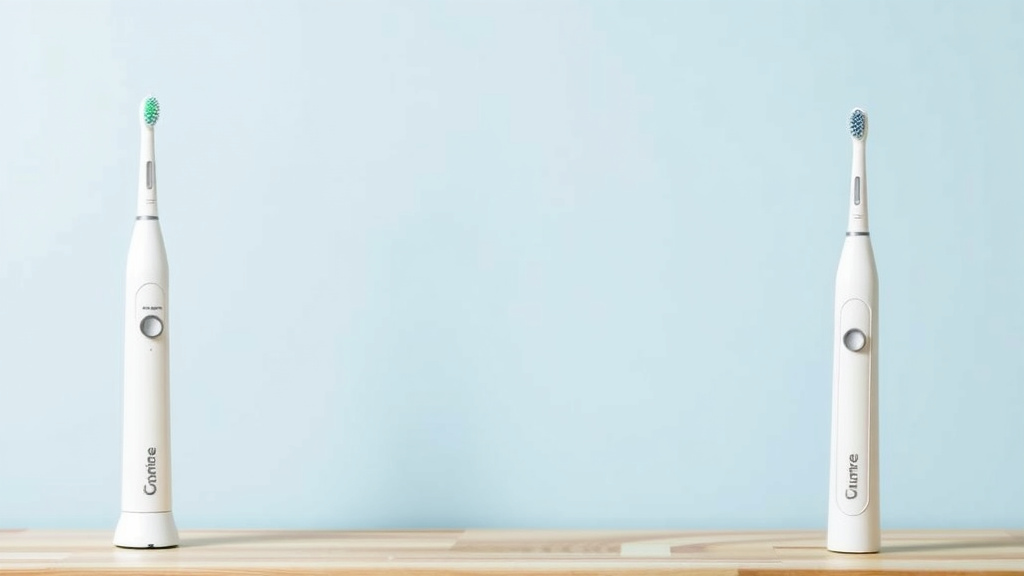
Navigating the electric toothbrush landscape in 2026 can feel like a high-stakes decision, especially when pitting Oral-B against Panasonic. Forget a definitive “best” – this is about finding your perfect oral hygiene match. Both brands deliver a stellar clean, but their strengths lie in different dental tech. Oral-B often shines with its signature oscillating-rotating power and intelligent pressure sensors, while Panasonic champions the sonic vibration and impressive battery longevity. Ultimately, your ideal pick hinges on your unique brushing style and what matters most to your smile.
Research shows that both brands can significantly improve your oral hygiene over manual brushing. Oral-B’s dentists’ choices often feature unique brush head shapes for reaching tough spots. Panasonic’s sonic models focus on gentler yet powerful cleaning. Consider what features matter most for your smile, like gum health or stain removal.
- Oral-B is great for deep cleaning power.
- Panasonic excels with sonic technology and battery longevity.
- Both brands offer features for better gum health.
- Your personal preference in brushing style matters.
- Think about pressure sensors and battery life.
Let’s break down what makes each of these electric toothbrush titans stand out. We’ll compare their key features, cleaning power, and overall user experience.
Choosing Your Electric Toothbrush: Oral-B’s Power vs. Panasonic’s Precision
Deciding between Oral-B and Panasonic electric toothbrushes can feel like choosing between two excellent chefs. Both want to give you a sparkling clean smile, but they use slightly different techniques. Oral-B often uses a fast, oscillating-rotating motion, like a tiny, powerful scrubber. Panasonic, on the other hand, usually employs sonic vibrations, a high-speed buzzing that can be very effective.
We’ve found that understanding these core technologies helps a lot. Oral-B’s oscillating-rotating heads are great for tackling plaque head-on. Panasonic’s sonic models aim for a broader cleaning action and often boast longer battery life. Let’s look closer at what makes each brand tick, so you can make the best choice for your daily routine.
Oral-B: The Powerhouse Cleaner
Oral-B is well-known for its oscillating-rotating technology. This means the brush head spins and pulsates rapidly. Think of it like a miniature dental polisher. Many studies show this type of brushing can be very effective at removing plaque. The small, round brush heads are designed to cup each tooth individually. This allows them to get into nooks and crannies you might miss with a manual brush.
Key Oral-B Features You’ll Love
One of the standout features for many Oral-B users is the pressure sensor. We’ve found this incredibly helpful. If you press too hard while brushing, the toothbrush will alert you, often with a light or a change in vibration. This is great for protecting your gums and enamel from damage. Over-brushing is a common mistake, and this feature helps prevent it (American Dental Association).
Many Oral-B models also come with multiple brushing modes. These can include daily clean, sensitive, whitening, and gum care. You can tailor your brushing experience to your specific needs on any given day. Some higher-end models even connect to an app, offering real-time feedback on your brushing technique.
Brush Head Variety with Oral-B
Oral-B offers a wide array of brush heads. Each is designed for a particular purpose. You have heads focused on deep cleaning, others for sensitive gums, and some designed specifically for whitening. This variety means you can easily switch heads if your dental needs change. It’s like having a mini dental toolkit for your bathroom.
Panasonic: The Sonic Smooth Operator
Panasonic electric toothbrushes typically rely on sonic vibration technology. This technology vibrates the brush head at very high speeds, creating thousands of brush strokes per minute. These rapid movements generate dynamic cleaning action. This action not only cleans the tooth surface but can also create micro-vibrations. These vibrations help to dislodge plaque and food particles from between teeth and along the gumline. Many users find this gentler yet effective cleaning sensation quite pleasant.
What Makes Panasonic Stand Out?
A big win for Panasonic is often battery life. We’ve seen many Panasonic models that can last for weeks on a single charge. This makes them ideal for travel or for those who prefer not to charge their toothbrush frequently. If you’re always on the go or forget to charge things, this is a major advantage.
Panasonic also excels in offering smooth, quiet operation. The sonic vibrations, while powerful, can feel less intense than the oscillating-rotating motion. This can be particularly appealing for individuals with sensitive teeth or gums. Many dentists suggest sonic toothbrushes for patients who find oscillating models too aggressive (Cleveland Clinic).
Panasonic’s Focus on Design and Technology
Panasonic often incorporates sleek, ergonomic designs into their toothbrushes. They feel comfortable and balanced in your hand. Many models feature multi-speed settings, allowing you to adjust the intensity of the sonic vibrations. Some advanced models include smart features like 3D motion sensors to track coverage and ensure you clean every area of your mouth.
Comparing the Cleaning Action: Oscillating-Rotating vs. Sonic
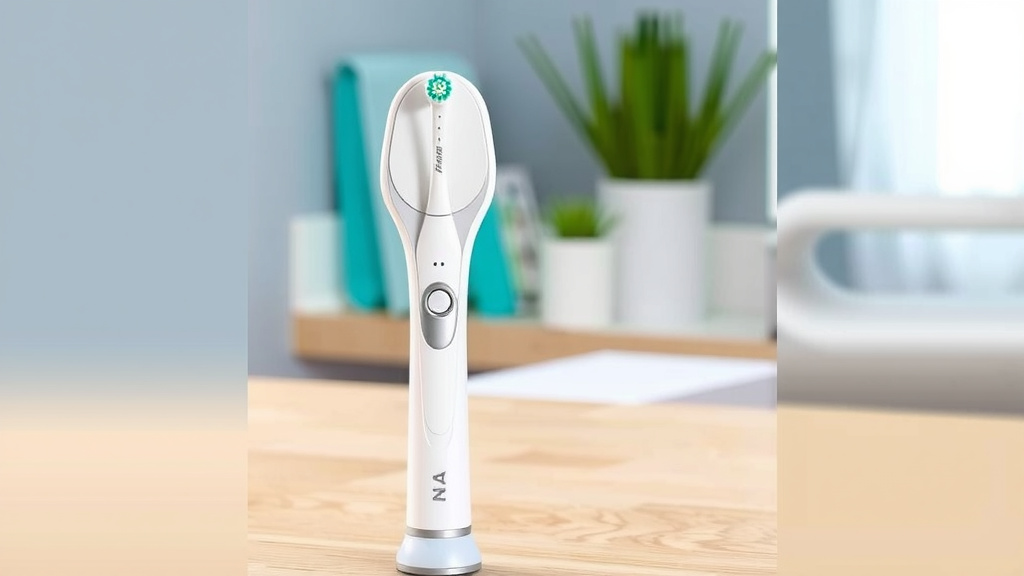
When we look at how they clean, the difference is pretty clear. Oral-B’s oscillating-rotating brushes are like a power drill for plaque, focusing on individual teeth with a scrubbing motion. They are highly effective at breaking down and sweeping away plaque. Many dental professionals recommend this method for its thoroughness.
Panasonic’s sonic brushes work differently. They vibrate rapidly, creating a fluid dynamic action. This means the bristles move so fast they can create waves of toothpaste and water. These waves reach further into hard-to-reach areas, like between teeth and below the gumline. It’s a more sweeping and penetrating clean.
Research has compared these technologies. Some studies suggest oscillating-rotating brushes might be slightly better at removing plaque on the tooth surface. However, sonic toothbrushes can be superior at cleaning along the gumline and between teeth due to their fluid dynamics. Both methods are significantly better than manual brushing.
| Feature | Oral-B | Panasonic |
|---|---|---|
| Primary Technology | Oscillating-Rotating | Sonic Vibration |
| Plaque Removal | Excellent, especially on tooth surfaces | Excellent, with strong gumline and interdental cleaning |
| Pressure Sensor | Commonly available | Less common, but some models have it |
| Brush Head Shape | Small, round | Often elongated, similar to manual brushes |
| Battery Life | Good, varies by model | Often outstanding, long-lasting |
| User Feel | Powerful, scrubbing | Gentle, buzzing |
Which Brush Is Right For You?
So, how do you pick? Ask yourself what you prioritize in your brushing routine. If you’re looking for a deep, powerful clean and want a tool that helps guide your pressure, an Oral-B might be your best bet. The variety of brush heads also means you can really customize your care.
If you prefer a gentler feel, have sensitive gums, or want to charge your toothbrush as little as possible, a Panasonic sonic toothbrush could be the perfect fit. Their long battery life and smooth vibration are major draws for many.
Considerations for Your Smile
Think about your gum health. If your gums are sensitive, the gentler sonic action of Panasonic might be preferred. If you tend to brush too hard, Oral-B’s pressure sensor is a fantastic safeguard. Both brands offer modes designed to improve gum health, so you’re likely to find something suitable with either.
What about stain removal? Both can help with surface stains. Oral-B’s whitening modes and brush heads are often marketed for this. Panasonic’s vigorous sonic action can also contribute to a brighter smile by effectively polishing away surface discoloration. It often comes down to personal preference in the brush head’s feel and the motor’s action.
Ultimately, the best electric toothbrush is the one you will use consistently and correctly. Both Oral-B and Panasonic make excellent products that can significantly improve your oral hygiene. Your choice should align with your comfort, your specific dental needs, and your lifestyle.
Quick Checklist for Your Decision:
- Do you prefer a strong, scrubbing sensation or a gentle, buzzing one?
- Is long battery life a top priority for you?
- Do you want a brush that actively helps you manage brushing pressure?
- Are you looking for a wide variety of specialized brush heads to choose from?
- Do you have particularly sensitive gums or teeth?
- Would you benefit from app connectivity for brushing feedback?
Conclusion
Choosing between Oral-B and Panasonic electric toothbrushes comes down to your personal smile goals. Oral-B offers robust oscillating-rotating power and helpful pressure sensors, great for a deep clean. Panasonic provides effective sonic vibrations, known for gentler brushing and impressive battery life. Both brands deliver excellent results for improved oral hygiene compared to manual brushing. Think about what feels best in your hand and what your gums need most. Your best bet is to pick the one that motivates you to brush thoroughly, twice a day, for a healthier mouth.
Frequently Asked Questions
Which toothbrush is better for sensitive gums, Oral-B or Panasonic?
Panasonic sonic toothbrushes are often recommended for sensitive gums. Their high-speed vibrations can feel gentler than Oral-B’s oscillating-rotating action. Many Panasonic models also have softer bristles and multiple intensity settings for a milder clean.
Does Oral-B have any sonic models?
While Oral-B is primarily known for its oscillating-rotating technology, some of their advanced models may incorporate sonic features or modes. However, their core strength and most widely recognized technology is the oscillating-rotating head.
How often should I replace the brush heads for these electric toothbrushes?
Most dentists and the manufacturers recommend replacing your electric toothbrush heads every three months. You should also replace them sooner if the bristles become frayed or worn, as this reduces cleaning effectiveness.
Are Oral-B and Panasonic electric toothbrushes good for whitening teeth?
Yes, both brands can help with teeth whitening by effectively removing surface stains. Oral-B often has specific “whitening” modes and brush heads designed for polishing. Panasonic’s powerful sonic action also helps polish teeth and lift discoloration.
Can I use an electric toothbrush if I have braces?
Yes, both Oral-B and Panasonic electric toothbrushes can be used with braces. It’s often recommended to use specialized orthodontic brush heads designed to clean around brackets and wires. Gentle cleaning is key when you have braces.