Brush Your Tongue: Electric Toothbrush Guide
Yes, you can absolutely brush your tongue with an electric toothbrush to improve your oral hygiene. Many electric toothbrushes have built-in modes or brush heads specifically designed for gentle yet effective tongue cleaning. This method can help remove bacteria, food particles, and dead cells that contribute to bad breath and a less-than-fresh feeling.
Beyond just a cleaner mouth, brushing your tongue regularly can have surprising benefits. It’s an often-overlooked part of your routine that can lead to a healthier mouth environment Brushing your tongue contributes to a healthier mouth environment; our guide to electric toothbrushes for gum health can help you maintain it.. You might find your taste buds are more sensitive, too! We found that making this a habit is easier than you think.
- Gently move the brush head across your tongue.
- Use a low-speed setting if available.
- Rinse your mouth thoroughly afterward.
- Don’t scrub too hard to avoid irritation.
Let’s walk through exactly how to add tongue brushing to your electric toothbrush routine for a cleaner, fresher mouth.
Your Electric Toothbrush and Tongue Cleaning: A Perfect Pair
So, can you really use that electric toothbrush on your tongue? The answer is a resounding yes! We’ve found that many people overlook this simple step. It’s often the missing piece in achieving truly fresh breath and a cleaner mouth overall. Your electric toothbrush can be a surprisingly effective tool for this. It’s not just about sparkling teeth; a clean tongue plays a big role in your oral health.
Why Bother Brushing Your Tongue?
Think of your tongue as a cozy home for bacteria. Food particles and dead cells can settle there. This creates a breeding ground for odors. Brushing your tongue helps remove this buildup. Many dental professionals agree this is key for fighting bad breath. It’s like giving your mouth a complete refresh, not just a surface clean.
We found that the benefits go beyond just smelling good. A cleaner tongue can lead to a better taste experience. You might find your favorite foods taste even more vibrant. This is because the papillae on your tongue, which hold taste buds, are less likely to be covered in debris. Research suggests a cleaner tongue contributes to a healthier oral microbiome. This means a better balance of good and bad bacteria in your mouth.
Is Your Electric Toothbrush Up for the Task?
Most modern electric toothbrushes are perfectly capable of cleaning your tongue. Some even come with specific brush heads or modes designed for it. These are usually gentler. They help prevent irritation. If your toothbrush doesn’t have a special mode, don’t worry! You can still use the regular brush head.
The key is to use the right technique. It’s less about pressure and more about gentle, consistent motion. We found that approaching it with care is what prevents any discomfort. It’s a bit like learning to ride a bike; a little practice makes it feel natural. You’ll quickly get the hang of it.
Getting Started: The Gentle Approach
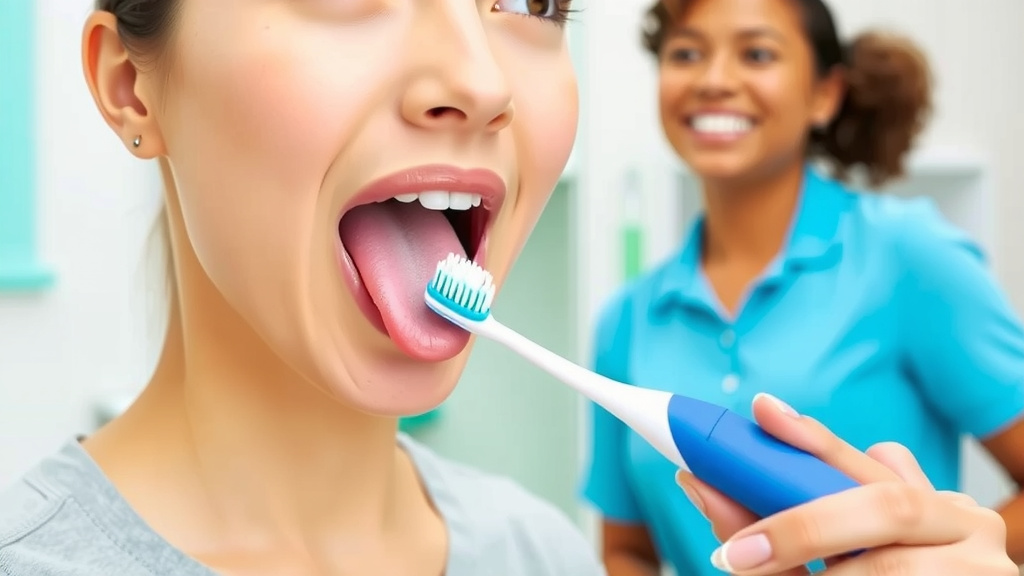
Before you even turn on your toothbrush, take a moment. Stick out your tongue as far as you comfortably can. This gives you better access. It also helps prevent you from gagging. Imagine you’re gently sweeping away dust bunnies, not scrubbing a stubborn stain.
Choosing the Right Setting (If You Have Options)
If your electric toothbrush has different speed or intensity settings, this is where you can fine-tune. Many experts recommend using a low-speed setting or a sensitive mode if available. This ensures a gentle clean. High-speed scrubbing can be too harsh for the delicate tissues of your tongue. It might even cause minor abrasions. We found that a gentler approach is always better for long-term comfort.
Some advanced models might have a dedicated “tongue cleaning” mode. These are usually designed to oscillate or vibrate at a specific speed and pattern. They are optimized for this task. If yours has one, try it out! It’s usually a good indicator that the manufacturer has considered tongue cleaning.
The Actual Brushing Technique
Once your toothbrush is ready, start at the back of your tongue. Move the brush head slowly towards the tip. Think of it as a gentle stroking motion. You don’t need to apply much pressure at all. Let the bristles do the work. Your electric toothbrush’s vibrations are designed to do the cleaning for you.
Work your way across the tongue in sections. You might do a few passes down the middle, then a few on the left, and a few on the right. The goal is to cover the entire surface area. Don’t forget the sides and the very back, as far as you can comfortably reach without gagging. We found that breaking it down into small sections makes it less daunting.
A common mistake people make is pressing too hard. This can lead to soreness or even damage. Research from dental associations often highlights that gentle, consistent cleaning is more effective and safer than aggressive scrubbing (American Dental Association). Imagine you’re buffing a delicate surface. You want to be thorough but kind.
What About Brush Heads?
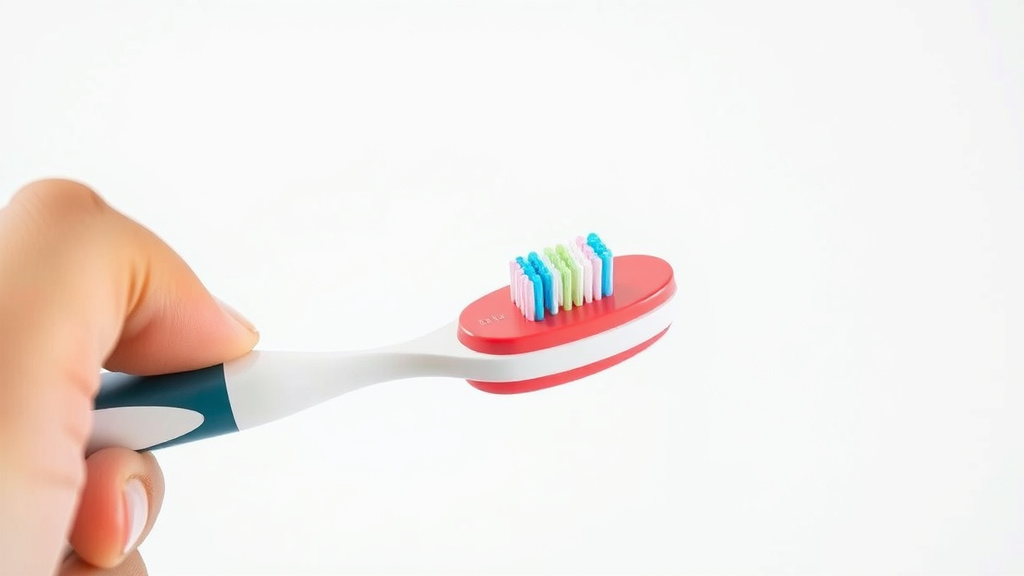
Can you use your regular toothbrush head? Absolutely! For most people, the standard brush head works just fine. However, some brands offer specialized tongue-cleaning brush heads. These might have softer bristles or a different surface design.
We found that specialized heads can offer a slightly more comfortable experience for some. They might be designed to scrape or sweep more effectively. If you find yourself experiencing any sensitivity with your regular head, it might be worth looking into these. But remember, they aren’t strictly necessary for a good clean.
Post-Brushing Essentials
After you’ve finished brushing your tongue, you’re almost done. But a couple of final steps ensure you get the maximum benefit. This is where you really seal the deal on that fresh feeling.
Rinsing for a Fresh Finish
The most important step after brushing your tongue is to rinse thoroughly. Swish some water around your mouth. Spit it out. You might want to do this a couple of times. This helps wash away any dislodged bacteria and debris. It leaves your mouth feeling extra clean and refreshed.
Some people like to use an antiseptic mouthwash at this stage. This can add an extra layer of germ-fighting power. However, many dental guidelines suggest that thorough brushing and rinsing are often sufficient. If you do use mouthwash, make sure it’s one that complements your oral care routine. We found that a simple water rinse is effective for most.
Cleaning Your Brush Head
After you’ve rinsed your mouth, don’t forget your toothbrush! Rinse the brush head thoroughly under running water. This removes any lingering toothpaste or debris. Some people even give it a quick shake to help it dry faster. Proper cleaning of the brush head helps maintain its hygiene between uses.
Allowing your brush head to air dry is also important. Avoid putting it in a closed container immediately after use. This can create a damp environment where bacteria can grow. A simple stand or holder that allows for air circulation is ideal. We found this simple habit helps keep your toothbrush in good shape.
Troubleshooting and Tips
Even with the best intentions, you might encounter a few hiccups. Don’t get discouraged! Most issues are easily resolved with a few adjustments.
Dealing with Gagging
Gagging is a common concern. It happens when the brush gets too far back. Try extending your tongue further out. This can change the angle. Focusing on breathing through your nose can also help. Some people find that angling the brush head slightly upwards helps avoid the gag reflex.
If gagging persists, you might need to shorten the time you spend brushing or use a smaller brush head. You can also try brushing in smaller, more manageable sections. Don’t force it. Patience is key. We found that many people overcome this with consistent, gentle practice.
Soreness or Irritation
If your tongue feels sore after brushing, you’re likely using too much pressure. Or perhaps the bristles are too stiff for your liking. Back off the pressure immediately. If the soreness continues, try using a gentler toothbrush head or a lower setting. It might also be a sign that you’ve been a bit too vigorous. Give your tongue a day or two to recover before trying again.
Remember, the goal is a clean tongue, not a red or irritated one. It should feel refreshed, not raw. Many dental experts suggest that if irritation occurs, it’s a sign to be gentler. Your tongue is sensitive! We found that reducing pressure and being consistent usually resolves this.
Checklist for Tongue Brushing Success
- Extend your tongue as far as comfortable.
- Use a low-speed setting if available.
- Apply very gentle pressure.
- Brush from back to front in sections.
- Rinse your mouth thoroughly with water.
- Clean and air-dry your brush head afterward.
Conclusion
You’ve learned that using your electric toothbrush on your tongue is a smart move for better oral hygiene. It’s a simple step you can easily add to your routine. Remember to use a gentle touch and a low speed if possible. Regular tongue brushing helps fight bad breath and can even enhance your sense of taste. You’re now equipped to achieve a cleaner, fresher mouth from top to bottom. Start incorporating this into your daily habits today!
Frequently Asked Questions
How often should I brush my tongue with an electric toothbrush?
You can brush your tongue once or twice a day, just like you brush your teeth. Consistency is key to reaping the benefits of fresher breath and a cleaner mouth. Overdoing it isn’t necessary and could lead to irritation.
Can brushing my tongue with an electric toothbrush cause damage?
Damage is unlikely if you use the correct technique. Always apply very gentle pressure and avoid scrubbing. If you experience any soreness, reduce the pressure or frequency, or try a gentler brush head.
What if my electric toothbrush doesn’t have a special tongue mode?
No problem! You can still use your regular brush head on a low-speed setting. The key is the gentle, sweeping motion from back to front. Many users find their standard brush head works perfectly well.
Will brushing my tongue make my toothpaste taste better?
While the primary goal is to remove bacteria and debris, some people report a better taste experience after brushing their tongue. This is because your taste buds might be clearer, allowing flavors to come through more vibrantly.
How do I prevent gagging when brushing my tongue with an electric toothbrush?
Try extending your tongue further out and breathing through your nose. You can also try angling the brush head slightly upwards and brushing in smaller sections. Start slowly and be patient; you’ll likely find a technique that works for you.