Choosing the Right Electric Toothbrush in 2026
Buying an electric toothbrush is easier than you think if you know what to look for. You’ll want to consider brushing modes, battery life, and the type of brush head to find the best fit for your smile. Many dental professionals agree that electric toothbrushes offer a superior clean over manual ones.
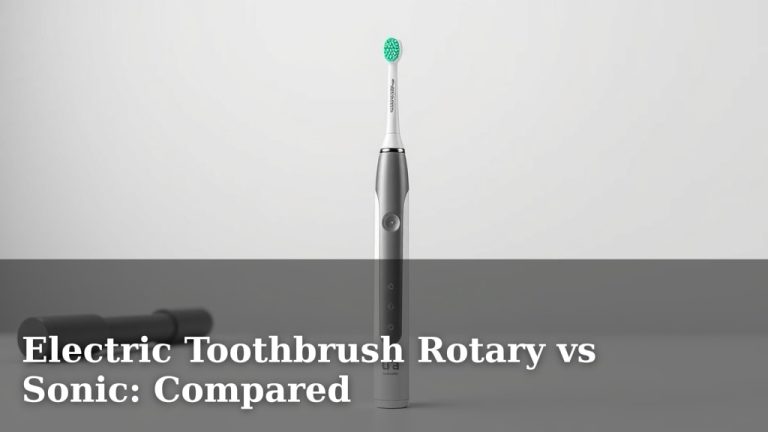
There are two main types: oscillating-rotating and sonic. Oscillating-rotating brushes spin back and forth. Sonic brushes vibrate at high speeds. Research shows both can be highly effective at removing plaque. We found that choosing based on your personal comfort and specific dental needs is key.
- Types: Oscillating-rotating or sonic.
- Features: Look for pressure sensors and timers.
- Brush Heads: Different types target specific needs (whitening, sensitive gums).
- Budget: Prices range widely, from basic models to high-tech options.
Let’s walk through how to choose the right electric toothbrush for your daily routine.
Choosing Your Perfect Electric Toothbrush
Ready to upgrade your brushing game? Selecting the right electric toothbrush can feel like a big decision. But we’re here to make it simple. Think of it like choosing a trusty sidekick for your smile. You’ll want one that fits your hand, your mouth, and your unique dental needs. Let’s break down the key features to consider.
Understanding the Two Main Technologies
Most electric toothbrushes fall into one of two main categories. Each offers a different approach to cleaning your teeth.
Oscillating-Rotating Brushes
These brushes have a small, round brush head. It spins back and forth, or oscillates and rotates. This motion is designed to cup each tooth individually. It’s a bit like a tiny, powerful polisher for your pearly whites. Many dentists favor this style for its plaque-fighting power. Research has shown they are highly effective at removing plaque (American Dental Association).
Sonic Toothbrushes
Sonic toothbrushes have brush heads that are usually shaped more like a manual toothbrush. They vibrate at incredibly high speeds. These vibrations create tiny fluid movements. This helps sweep away plaque and food particles. Think of it as a high-frequency sonic wave cleaning your teeth. Some people find this vibration gentler on their gums. Studies suggest sonic toothbrushes also excel at plaque removal (National Institutes of Health).
Key Features to Look For
Beyond the core technology, several features can significantly enhance your brushing experience. These are the bells and whistles that can make a real difference.
Pressure Sensors: A Gentle Reminder
Are you a heavy-handed brusher? You’re not alone. Brushing too hard can damage your gums and tooth enamel. That’s where a pressure sensor comes in. Many electric toothbrushes will light up or change their vibration pattern. This alerts you to ease up. It’s a smart safety feature for a healthier mouth. This can prevent gum recession and sensitivity over time.
Timers: Guiding Your Brushing Time
Most dentists recommend brushing for two minutes. It can be hard to keep track of this on your own. Electric toothbrushes often have built-in timers. Many even offer quadpacers. These signal you to move to a different section of your mouth every 30 seconds. This ensures you give each area adequate attention. It takes the guesswork out of meeting the recommended brushing time (CDC).
Multiple Brushing Modes: Tailored Cleaning
Do you have sensitive gums? Or maybe you’re looking for a whitening boost? Some electric toothbrushes offer different cleaning modes. These might include: Some electric toothbrushes offer different cleaning modes for specific needs. Our guide to the best electric toothbrush for sensitive teeth details these options.
- Daily Clean: The standard mode for everyday use.
- Sensitive: A gentler vibration for tender gums.
- Whitening: A mode designed to polish away surface stains.
- Gum Care: Focused on stimulating and massaging your gums.
- Deep Clean: An extended mode for a more thorough feel.
Brush Head Varieties: The Nitty-Gritty
The brush head is where the magic happens. Thankfully, there’s a wide variety to suit almost any need. Many brands offer interchangeable heads.
Standard Heads
These are your go-to for general cleaning. They offer effective plaque removal for most users. They come in soft, medium, and sometimes hard bristles.
Specialty Heads
Are you seeking more than just a basic clean? Look for these specialized options:
- Sensitive Brushes: Softer bristles designed for comfort.
- Whitening Brushes: Often have a polishing cup to buff teeth.
- Orthodontic Brushes: Shaped to clean around braces.
- Tongue Cleaners: Some heads include a surface for cleaning your tongue.
Battery Life and Charging: Staying Powered Up
You don’t want your toothbrush dying mid-brush! Battery life is an important practical consideration.
How Long Does It Last?
Most modern electric toothbrushes offer excellent battery life. Many can last for one to two weeks on a single charge. Some high-end models can last even longer. If you travel frequently, this is a feature you’ll want to check. Consider if you prefer a charging stand or a USB charging cable.
Charging Methods
Common charging methods include:
- Inductive Charging Base: The most common type. You simply place the toothbrush on its base.
- USB Charging: Some models offer a USB cable for more portable charging.
- Charging Travel Cases: High-end models might include cases that can charge your toothbrush on the go.
Making the Final Choice: A Quick Checklist
Feeling overwhelmed? Don’t be! Let’s recap with a simple checklist to guide your decision:
- Brush Type: Do you prefer oscillating-rotating or sonic vibration?
- Key Features: Is a pressure sensor or timer important to you?
- Brush Head Needs: Do you need a specialized brush head?
- Battery Life: How long do you want it to last between charges?
- Budget: What price range are you comfortable with?
- Dentist’s Advice: Have you asked your dentist for a recommendation?
Taking a moment to consider these points will help you find an electric toothbrush you’ll love using every day. Your smile will thank you!
Conclusion
You’re now equipped to make an informed decision on your next electric toothbrush! Remember to consider the two main technologies – oscillating-rotating and sonic – and how their cleaning actions might suit you best. Features like pressure sensors and built-in timers can greatly enhance your oral hygiene routine. Don’t forget to think about the specific brush heads you might need for unique dental concerns. Now, take that checklist we shared and start browsing. Your perfect electric toothbrush is waiting to give you a cleaner, healthier smile!
Frequently Asked Questions
How often should I replace my electric toothbrush head?
Most manufacturers recommend replacing your electric toothbrush head every three months. This ensures optimal cleaning performance and hygiene. You’ll know it’s time when the bristles look frayed or worn.
Are more expensive electric toothbrushes always better?
Not necessarily. While higher-priced models often come with more advanced features like multiple modes and app connectivity, a basic, well-regarded model can still provide an excellent clean. Your personal needs and preferences are the most important factors.
Can electric toothbrushes help with sensitive gums?
Yes, many electric toothbrushes are designed with sensitive gums in mind. Look for models with a “sensitive” cleaning mode and brush heads specifically designed for gentleness. A pressure sensor is also a great feature to prevent irritation from brushing too hard.
Is it okay to use my electric toothbrush if I have braces?
Absolutely! In fact, electric toothbrushes can be very effective for cleaning around orthodontic appliances. Some brands offer special brush heads designed to navigate braces, helping to remove plaque more thoroughly than a manual brush.
How do I know if I’m brushing too hard with an electric toothbrush?
The best way to tell is if your electric toothbrush has a built-in pressure sensor. This feature will typically alert you with a light or a change in vibration if you’re applying too much force. If yours doesn’t have one, pay attention to any discomfort or sensitivity you experience.