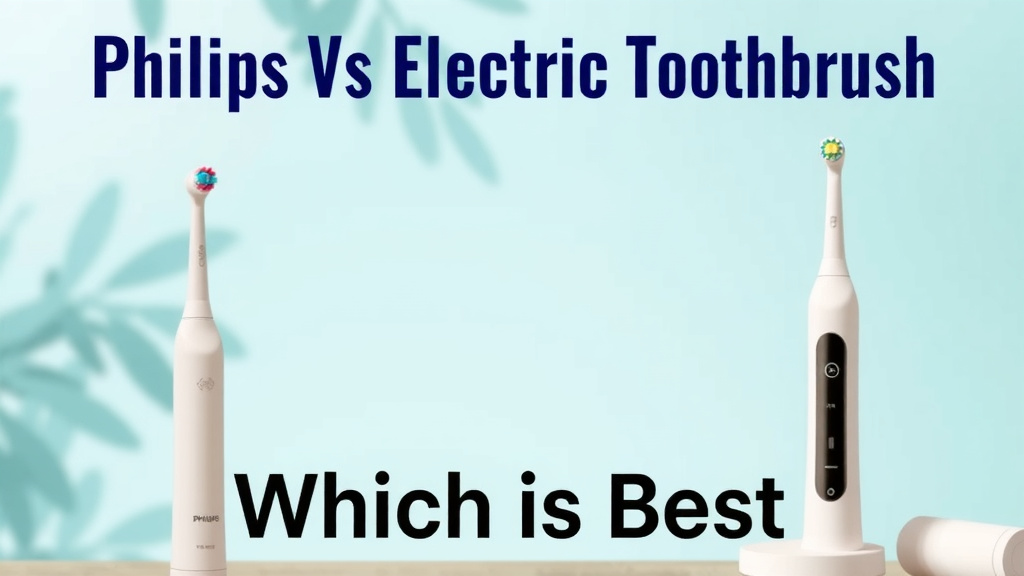
Philips vs Braun Electric Toothbrush: Which is Best
Navigating the 2026 landscape of oral care, the Philips vs Braun electric toothbrush debate is as relevant as ever. If you’re aiming for that dentist-clean feeling at home, the choice boils down to your unique brushing habits and what you value most in a daily clean. While both brands deliver impressive plaque-fighting power, Philips often pushes the envelope with advanced sonic vibrations, whereas Braun consistently champions its effective oscillating-rotating brush head technology.
You might be wondering which one will leave your teeth feeling dentist-clean. We’ve researched and found that both Philips and Braun are top contenders in the electric toothbrush market. They offer different approaches to plaque removal and gum care, so understanding these differences helps you make the best choice for your smile.
- Philips uses sonic vibrations for a powerful yet gentle clean.
- Braun typically features oscillating-rotating technology for deep plaque removal.
- Both offer smart features like pressure sensors and timers.
- Your preferred brushing sensation is key to choosing.
- Consider brush head availability and cost for long-term use.
Let’s dive into the specifics of what makes each brand unique, so you can confidently pick the electric toothbrush that’s right for you.
Comparing Philips Sonicare and Braun Oral-B: Your Best Clean Starts Here
Deciding between a Philips Sonicare and a Braun Oral-B electric toothbrush can feel like picking a favorite child. Both are titans in the dental hygiene world. They promise a superior clean compared to manual brushing. But how do they stack up against each other? We’ve looked at what makes each brand tick so you can make an informed choice for your smile.
Philips Sonicare: The Gentle Power of Sonic Vibrations
Philips Sonicare toothbrushes are famous for their sonic technology. This means the brush head vibrates at incredibly high speeds. Think thousands of brush strokes per minute. This creates a dynamic cleaning action. It reaches areas that might be tricky to get to with other methods. It’s like a gentle, high-speed massage for your teeth and gums.
How Sonic Technology Works
The rapid vibrations in Philips Sonicare toothbrushes create two main cleaning actions. First, there’s the direct contact. The bristles scrub away plaque and debris from the tooth surface. Second, the vibrations agitate the fluids in your mouth. This includes water and toothpaste. This agitation helps create tiny bubbles. These bubbles reach between teeth and along the gumline. They work to dislodge plaque and food particles. Many dental professionals find this method very effective for overall oral health (American Dental Association).
What to Expect with Sonicare
If you’re used to manual brushing, the sensation of a Sonicare can take a little getting used to. It might feel quite intense at first. Some people describe it as a vibrating sensation. Others feel it more like a tingling. The key is that it’s designed to be gentle on your gums. Many models include pressure sensors. These alert you if you’re brushing too hard. This is a big plus for those with sensitive gums.
Braun Oral-B: The Deep Clean of Oscillating-Rotating Power
Braun Oral-B toothbrushes are renowned for their oscillating-rotating technology. This technology uses a small, round brush head. The head oscillates (moves back and forth) and rotates. It cups each tooth individually. This mimics the way a dentist might clean your teeth. This action provides a very thorough and deep plaque removal.
The Oscillating-Rotating Mechanism
The small, round brush heads on Oral-B models are designed to be very precise. They oscillate back and forth and also pulsate. This combination works to break up plaque. Then, the oscillating motion sweeps it away. This approach is often cited as being particularly good at removing more plaque than a manual toothbrush. Some studies suggest it can remove significantly more plaque, especially in hard-to-reach areas (Cochrane Database of Systematic Reviews).
What to Expect with Oral-B
The cleaning sensation with an Oral-B is different from a Sonicare. You’ll feel the brush head actively working on each tooth. It’s a more targeted, scrubbing sensation. Some users find this more satisfying. Others might find the oscillation more noticeable. Like Sonicare, many Oral-B models also feature pressure sensors. These are vital for protecting your gums from excessive force. It ensures you get a powerful clean without causing damage.
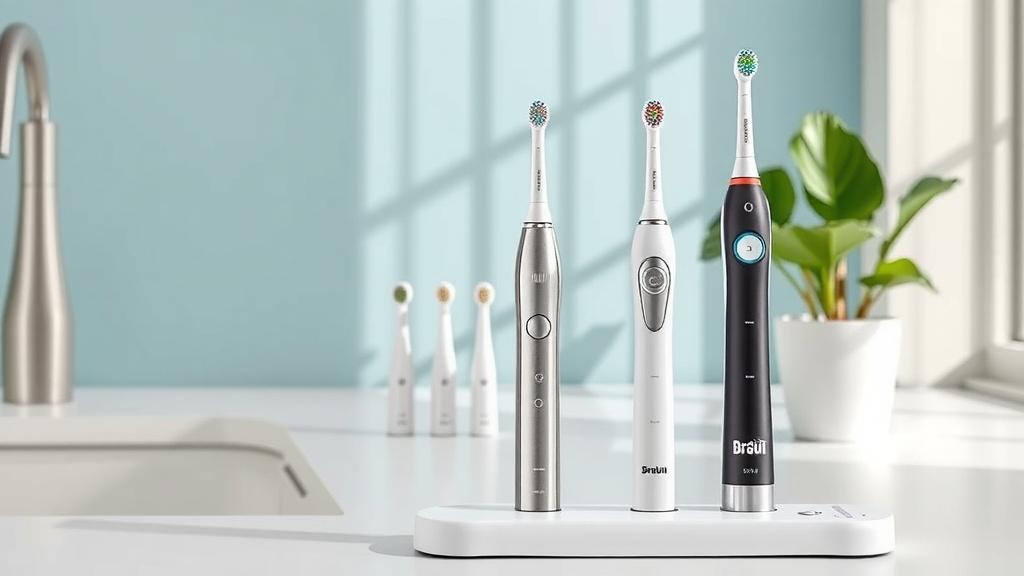
Key Features to Consider for Both Brands
When you’re comparing these two excellent brands, a few features pop up repeatedly. Understanding these will help you narrow down your search. Think about what matters most to you for your daily routine.
Smart Features and Connectivity
Both Philips and Braun have embraced smart technology. Many of their higher-end models connect to smartphone apps via Bluetooth. These apps can track your brushing habits. They provide real-time feedback. They might guide you on where to brush and for how long. Some apps even offer personalized coaching. This can be a game-changer for improving your technique.
Pressure Sensors: A Must-Have?
We’ve mentioned them already, but pressure sensors are incredibly important. Brushing too hard is a common mistake. It can lead to gum recession and enamel wear. Both Sonicare and Oral-B offer models with these sensors. They’ll usually signal you with a light or a change in vibration. This is a protective feature for your oral health.
Timers and QuadPacer
Most electric toothbrushes from both brands include built-in timers. These ensure you brush for the dentist-recommended two minutes. Many also have a QuadPacer. This feature pauses briefly every 30 seconds. It signals you to move to a different quadrant of your mouth. This helps ensure you clean all areas evenly.
Brush Head Variety and Cost
Long-term costs are definitely something to think about. Replacement brush heads are an ongoing expense. Philips Sonicare offers a variety of brush heads. They have options for whitening, sensitive gums, and deep cleaning. Braun Oral-B also has a wide selection. These include different shapes and bristle types. Generally, replacement brush heads for both brands can be a bit pricey. However, you can often find generic compatible heads. It’s worth comparing the cost of replacement heads before you buy.
Here’s a quick checklist to help you decide:
- Do you prefer a gentler, vibrating sensation? (Consider Philips Sonicare)
- Do you want a more targeted, scrubbing feel? (Consider Braun Oral-B)
- Are smart app features important for tracking your habits?
- How important is a pressure sensor to you?
- What is your budget for replacement brush heads?
- Do you have any specific dental concerns, like sensitivity or deep cleaning needs?
Conclusion
Choosing between a Philips Sonicare and a Braun Oral-B electric toothbrush comes down to your personal preference. Philips offers a gentle yet powerful sonic clean. Braun provides a deep clean with its oscillating-rotating technology. Both brands equip you with smart features and timers for better brushing habits. Think about the sensation you prefer and the long-term cost of brush heads. Your best bet is to consider these factors. Then, make the choice that feels right for your smile. Try one out and see how your mouth feels!
Frequently Asked Questions
Which electric toothbrush is better for sensitive gums?
For sensitive gums, many users find Philips Sonicare’s sonic vibrations to be gentler. The high-speed vibrations create a fluid motion that cleans effectively without harsh scrubbing. Braun Oral-B models also offer pressure sensors, which are vital for protecting sensitive gums from damage.
How often should I replace the brush heads?
Both Philips and Braun recommend replacing your brush heads every three months. Over time, the bristles wear down. This makes them less effective at removing plaque. Check the bristles; if they look frayed, it’s time for a change, even if it’s before the three-month mark.
Can I use any brand of toothpaste with these electric toothbrushes?
Yes, you can use most standard toothpastes with both Philips and Braun electric toothbrushes. Avoid abrasive whitening toothpastes or those with large particles. These could potentially damage the brush heads or your tooth enamel over time. Fluoride toothpaste is generally recommended.
Are the smart features really necessary?
Smart features, like app connectivity and real-time feedback, can be very helpful. They offer guidance on brushing technique, coverage, and pressure. For those looking to improve their oral hygiene habits, they can be a great tool. However, if you’re already a confident brusher, a model with a good timer and pressure sensor might be sufficient.
Is one brand significantly more expensive than the other?
The initial cost of Philips and Braun electric toothbrushes can vary widely by model. Higher-end models with more features will naturally cost more. Replacement brush heads for both brands tend to be similarly priced. It’s worth comparing the cost of the specific models and brush heads you are interested in before making a purchase.