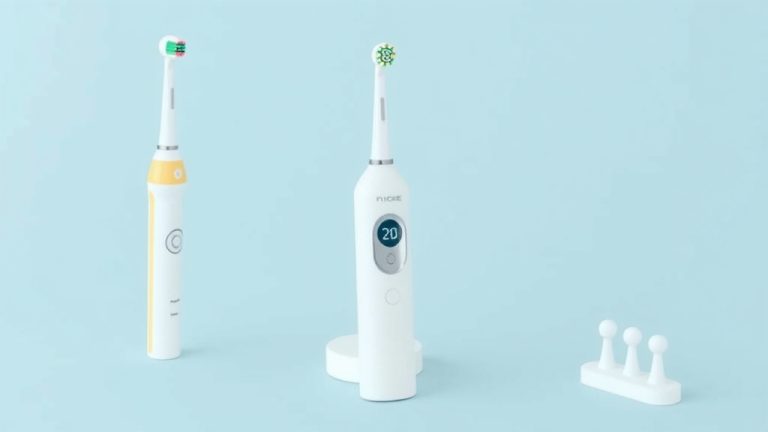
Sonic vs Oscillating Toothbrush: Which Is Best for You
Navigating the electric toothbrush aisle in 2026 can feel like deciphering a tech manual, but let’s cut through the noise. Whether you’re eyeing the buzzy sonic models or the nimble oscillating-rotating types, know this: both are miles ahead of your trusty manual brush for a truly superior clean. Sonic brushes work their magic with rapid vibrations that generate dynamic micro-cleaning actions, while oscillating-rotating brushes boast compact heads designed to hug each tooth individually. Ultimately, your perfect pick hinges on what feels best in your hand and addresses your unique oral health goals.
We found that many people wonder about the difference in effectiveness. Sonic brushes excel at reaching between teeth and along the gumline due to their sweeping motion. Oscillating-rotating brushes are often praised for their ability to thoroughly clean the surface of each tooth. Both types have been shown to reduce plaque and gingivitis effectively.
- Sonic toothbrushes vibrate rapidly for cleaning.
- Oscillating-rotating brushes move in circular patterns.
- Both are better than manual brushing for plaque removal.
- Personal preference plays a big role in choosing.
Let’s walk through exactly how each type cleans and what that means for your smile.
Understanding Sonic vs. Oscillating Electric Toothbrushes
So, you’re looking to upgrade your brushing game? That’s fantastic! The choice between a sonic and an oscillating-rotating electric toothbrush can feel like picking between two amazing sports cars. Both get you where you need to go (a cleaner mouth!), but they do it with a different style. We’ve found that understanding their unique cleaning actions can help you pick the perfect one for your smile.
Let’s break down how each type works and why it matters for your oral health. Think of it as a mini-guide to making the best decision for your daily routine. Your dentist will thank you!
How Sonic Toothbrushes Clean Your Teeth
Sonic toothbrushes use a high-speed vibration. The brush head moves back and forth very rapidly. This motion creates thousands of brush strokes per minute. We found that this high frequency is key to their cleaning power. It’s like a tiny, super-fast mop for your teeth.
The Science Behind the Sweep
These vibrations do more than just scrub. They create dynamic fluid action. This means the bristles agitate the toothpaste and saliva mixture. This action helps to disrupt plaque even beyond where the bristles physically touch. It’s a bit like a tiny power wash happening in your mouth. Many dentists agree this sweeping motion is excellent for reaching tight spots.
Reaching Nooks and Crannies
Because of this sweeping motion, sonic brushes are often praised for their ability to get into hard-to-reach areas. This includes between your teeth and along your gumline. The fluid dynamics help flush out debris and plaque from these less accessible zones. Research indicates this can be very effective in reducing gingivitis (Mayo Clinic).
What You’ll Feel: The Vibration Factor
When you use a sonic toothbrush, you’ll feel a distinct, high-frequency vibration. Some people describe it as a buzzing sensation. It’s powerful but generally feels gentle. The brush head is usually larger, similar to a manual toothbrush, and designed to cover more surface area with each sweep.
How Oscillating-Rotating Toothbrushes Clean Your Teeth
Oscillating-rotating toothbrushes work differently. Their brush heads are typically smaller. They often have a round shape. These heads cup each tooth individually. The bristles then rotate, or oscillate, in a circular pattern. This action scrubs the tooth surface directly.
The Power of the Plaque Removal
This scrubbing action is highly effective at breaking up and removing plaque. The bristles physically sweep away debris from the tooth’s surface. We found that studies often show these brushes excel at surface stain removal. They are designed to go around the contours of each tooth. This thoroughness is a big plus for many users.
Targeted Cleaning Action
The smaller, round head allows for precise cleaning. You can focus on one tooth at a time. This targeted approach can make you feel like you’re getting a really deep clean on each individual tooth. Many dental professionals recommend this type for its ability to thoroughly polish the tooth surface.
What You’ll Feel: The Pulsating Motion
When using an oscillating-rotating brush, you’ll feel a more distinct back-and-forth or circular motion. It’s a more tactile scrubbing sensation. You guide the brush head to each tooth, letting its action do the work. It’s a different feeling than the high-frequency buzz of a sonic brush.
Comparing Performance and User Experience
Both types of electric toothbrushes offer significant advantages over manual brushing. Research consistently shows they are more effective at removing plaque and reducing gingivitis (CDC). The main differences come down to the cleaning method and user preference.
Let’s look at a quick comparison:
| Feature | Sonic Toothbrush | Oscillating-Rotating Toothbrush |
|---|---|---|
| Cleaning Action | High-speed vibrations (sweeping motion) | Circular rotation (scrubbing motion) |
| Brush Head Size/Shape | Larger, often rectangular | Smaller, often round |
| Plaque Removal Focus | Interdental spaces, gumline, fluid action | Tooth surface, individual tooth cleaning |
| Sensation | High-frequency vibration (buzzing) | Rotating motion (scrubbing) |
| Ease of Use (Initial) | Often similar to manual brushing | Requires guiding head to each tooth |
Which is Better for Gum Health?
Both types are generally excellent for gum health. Sonic toothbrushes, with their sweeping motion and fluid action, can be very gentle yet effective at cleaning along the gumline. We found that the gentleness can be appealing to those with sensitive gums. Oscillating-rotating brushes, when used correctly, also effectively clean the gumline area by scrubbing each tooth.
Guidelines from organizations like the American Dental Association suggest that the technique used is as important as the brush type. The key is to ensure you’re covering all surfaces of your teeth and gently cleaning along your gums.
What About Sensitive Teeth or Gums?
If you have particularly sensitive gums, a sonic toothbrush might feel more comfortable initially. Its high-frequency vibration can be less abrasive than the direct scrubbing of some oscillating-rotating models. However, many oscillating-rotating brushes come with pressure sensors and softer bristles designed for sensitive users. We recommend looking for these features if sensitivity is a concern.
Ultimately, the best brush for sensitive areas is one you will use consistently and correctly. Gentle pressure is key with either type.
Making Your Choice: What to Consider
Deciding between a sonic and an oscillating-rotating toothbrush often comes down to personal preference and what feels best in your hand and mouth. There isn’t a single “winner” for everyone. Here’s a quick checklist to help you decide:
- Do you prefer a buzzing or a scrubbing sensation?
- Do you want to focus on reaching between teeth, or on a deep surface clean?
- Are your gums particularly sensitive?
- Do you have any specific dental concerns (like braces or crowded teeth)?
- What is your budget, as features can vary widely?
Many people find that trying both types, if possible, is the best way to know for sure. Some brands offer starter packs or satisfaction guarantees that can make this easier.
Conclusion
You now know that both sonic and oscillating-rotating toothbrushes offer superior cleaning over manual options. Sonic brushes use high-speed vibrations for fluid action and hard-to-reach spots. Oscillating-rotating brushes use a focused scrubbing motion for deep surface cleaning. Your ideal choice depends on your personal comfort and dental goals. We found that many people prefer the gentler feel of sonic brushes, while others love the direct scrubbing of oscillating ones. Try to consider what feels best for your mouth and visit your dentist for personalized advice. Your journey to a healthier smile starts with making the right choice for you!
Frequently Asked Questions
Will a sonic or oscillating toothbrush hurt my gums?
Neither type should hurt your gums if used correctly. Sonic brushes offer a gentler, vibrating sensation that many find comfortable. Oscillating brushes provide a more direct scrubbing action. If you have sensitive gums, look for models with pressure sensors and soft bristles, regardless of the type you choose. Gentle pressure is key for both.
Can I use my electric toothbrush if I have braces?
Yes, you can use either type of electric toothbrush with braces. Sonic toothbrushes can be good because their fluid action helps dislodge food particles around brackets and wires. Oscillating-rotating brushes can also be effective when you carefully guide the head around each brace. Always ensure you’re cleaning thoroughly around your orthodontic work.
How often should I replace my electric toothbrush head?
You should replace your electric toothbrush head typically every three months, or sooner if the bristles become frayed. Worn-out bristles are less effective at cleaning your teeth and can potentially harm your gums. Many electric toothbrush models will indicate when it’s time to replace the head. Keeping your brush head fresh ensures optimal cleaning performance.
What’s the difference in battery life between sonic and oscillating toothbrushes?
Battery life can vary widely between brands and models for both sonic and oscillating-rotating toothbrushes. Some high-end models of both types can last for several weeks on a single charge. Lower-end models might require more frequent charging. It’s best to check the product specifications for the specific toothbrush you are considering.
Can I use a sensitive mode on my electric toothbrush?
Yes, many electric toothbrushes, both sonic and oscillating-rotating, come with a “sensitive” mode. This mode typically reduces the intensity of the vibrations or rotations. This makes it more comfortable for people with sensitive teeth or gums. It’s a great feature if you experience discomfort with standard brushing modes.