Water Flosser vs Electric Toothbrush: Which Cleans Best
Navigating your oral care routine in 2026 still boils down to a crucial question: water flosser or electric toothbrush? While both are powerhouses for a sparkling smile, they tackle distinct challenges. Your electric toothbrush is your go-to for banishing plaque and those stubborn surface stains, giving your teeth a polished sheen. Meanwhile, a water flosser is the undisputed champion for reaching those tricky interdental spaces and the subgingival areas your brush simply can’t access. Consider them your ultimate tag team for a truly comprehensive clean.
You might be wondering if you need both. Research and common dental advice suggest that using both can lead to superior oral hygiene compared to using just one. An electric toothbrush cleans the broad surfaces of your teeth effectively. The water flosser then targets the hard-to-reach areas, helping to prevent gum disease and cavities. Many dental professionals recommend this combined approach.
- Electric toothbrushes clean tooth surfaces and remove plaque.
- Water flossers clean between teeth and along the gumline.
- Both tools work best when used together for optimal oral health.
- Using both can significantly improve gum health and reduce cavity risk.
We’ve researched the differences and benefits to help you decide. Let’s break down how each tool contributes to your daily routine and which one might be the right fit for your needs.
You’re probably wondering what the real difference is between these two popular oral hygiene tools. While both aim to improve your smile, they tackle different jobs in your mouth. Think of them as specialized tools in your dental toolkit.
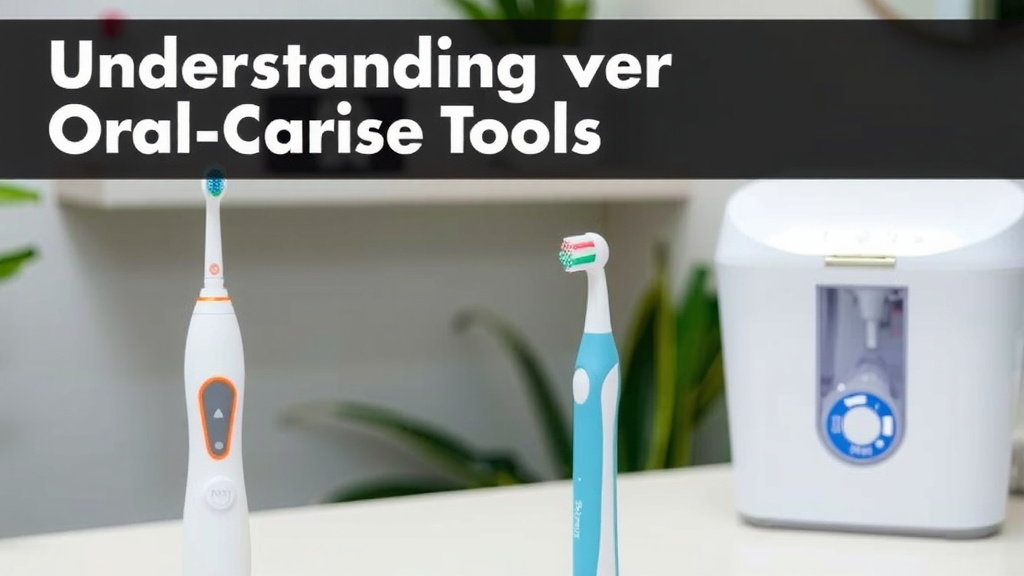
Understanding Your Oral Care Tools
We’re going to break down what each tool does best. This will help you see how they can work together for a healthier mouth.
The Role of the Electric Toothbrush
An electric toothbrush is your go-to for daily cleaning. It uses **vibrations or rotations** to scrub away plaque. It’s designed to clean the broad surfaces of your teeth. These brushes make it easier to get a thorough clean. Many find them more effective than manual brushing (American Dental Association).
How Electric Toothbrushes Work
Electric toothbrushes come with different head movements. Some oscillate, meaning they move back and forth rapidly. Others have sonic vibrations that create high-speed movements. Both methods are very good at disrupting plaque. They can also help remove surface stains, leaving your teeth looking brighter.
Benefits of Using an Electric Toothbrush
Using an electric toothbrush can lead to reduced gingivitis. Studies have shown they are more effective at plaque removal than manual brushes. Many models also have built-in timers. These help you brush for the dentist-recommended two minutes. Some even have pressure sensors. These alert you if you’re brushing too hard, protecting your gums.
The Function of a Water Flosser
A water flosser, also known as an oral irrigator, uses a stream of water. This stream pulsates to clean. Its main job is to reach areas your toothbrush can’t. We’re talking about the spaces between your teeth and just below the gumline. This is where food particles and plaque love to hide.
How Water Flossers Operate
You fill a reservoir with water. Then, you select a tip and a pressure setting. The device pumps the water through the tip in a targeted stream. You aim this stream along your gumline and between teeth. The pulsing action is key. It flushes out debris and massages your gums.
Advantages of Water Flossing
Water flossers are excellent for cleaning tight spaces. They can remove more plaque and debris from these areas than string floss alone for some people. This is especially helpful if you have braces, crowns, or bridges. The gentle stream can also be soothing for sensitive gums. Many users report healthier gums after incorporating water flossing into their routine.
Comparing the Two: What They Do Best
So, you can see they are quite different! Let’s put them side-by-side.
| Feature | Electric Toothbrush | Water Flosser |
|---|---|---|
| Primary Function | Plaque and stain removal from tooth surfaces. | Cleaning between teeth and below the gumline. |
| Mechanism | Bristles with oscillating or sonic vibrations. | Pulsating stream of water. |
| Target Areas | Outer, inner, and chewing surfaces of teeth. | Interdental spaces and gum pockets. |
| Best For | General plaque removal, surface cleaning. | Reaching difficult areas, gum health. |
| Common User Benefits | Reduced plaque, brighter teeth, easier brushing. | Improved gum health, cleaner interdental spaces. |
Are They Mutually Exclusive?
Not at all! In fact, most dental professionals recommend using both. They tackle different aspects of oral hygiene. Using an electric toothbrush alone leaves areas uncleaned. Relying only on a water flosser means missing the main tooth surfaces. Your mouth needs both kinds of cleaning.
The Power of a Dynamic Duo
When you combine an electric toothbrush with a water flosser, you get a more complete clean. The toothbrush handles the bulk of the work on the tooth surfaces. Then, the water flosser sweeps away any remaining debris from those hard-to-reach spots. This thorough approach can significantly reduce your risk of cavities and gum disease.
Who Benefits Most from Each?
Both tools offer broad benefits. However, certain individuals might find one particularly helpful.
Who Needs an Electric Toothbrush Most?
Anyone looking to improve their brushing technique can benefit. If you struggle with manual dexterity, an electric toothbrush is a game-changer. People with braces or gum recession often find them easier to use effectively. They are also great for those who want a brighter smile, as they help remove surface stains.
Who Needs a Water Flosser Most?
If you find traditional flossing difficult or uncomfortable, a water flosser is an excellent alternative. People with braces, implants, bridges, or crowns will find them invaluable for cleaning around dental work. Those prone to gum inflammation or disease often see significant improvements with regular water flossing. It’s also a gentler option for those with sensitive gums.
Making the Choice for Your Smile
You’re probably thinking, “Do I really need both?” For the best possible oral health, research and many dental experts say yes. Think of it as upgrading from a basic toolkit to a professional one. You wouldn’t use a hammer to paint a wall, right? These tools have distinct purposes.
- Electric toothbrush for daily surface cleaning.
- Water flosser for deep cleaning between teeth and gums.
- Using both provides superior plaque removal.
- It helps prevent cavities and gum disease effectively.
- A healthier mouth leads to fewer dental visits.
Conclusion
You’ve learned that an electric toothbrush and a water flosser aren’t competitors but rather partners for your oral health. Your toothbrush tackles the broad surfaces, sweeping away plaque and stains. Your water flosser then steps in to clean where your brush can’t reach – between teeth and along the gumline. Research shows using both offers superior cleaning and can help prevent common dental issues. For the healthiest smile, consider incorporating both tools into your daily routine. Start by discussing with your dentist which might be the best fit for your unique needs.
Frequently Asked Questions
Can I just use a water flosser instead of brushing?
No, you cannot replace brushing with water flossing. While water flossers are excellent for cleaning between teeth and along the gumline, they don’t effectively remove plaque from the broad surfaces of your teeth. Brushing is essential for that initial cleaning.
Is a water flosser better than traditional floss?
For some people, yes. Water flossers can be easier to use, especially if you have braces, implants, or bridges. They also provide a gentler cleaning action that can be better for sensitive gums. Traditional floss is still effective for many users in removing plaque.
How often should I use a water flosser?
Most dental professionals recommend using a water flosser at least once a day. You can use it before or after brushing your teeth. Consistency is key to flushing out debris and improving gum health.
Will a water flosser help with bad breath?
Yes, a water flosser can help reduce bad breath. By removing food particles and plaque from between your teeth and along the gumline, it gets rid of bacteria that cause odors. This leads to a fresher feeling in your mouth.
Can I use mouthwash in my water flosser?
Some water flossers allow you to add therapeutic mouthwash to the reservoir. Always check your device’s manual for specific instructions. Plain water is generally sufficient for effective cleaning, but certain rinses may offer added benefits.