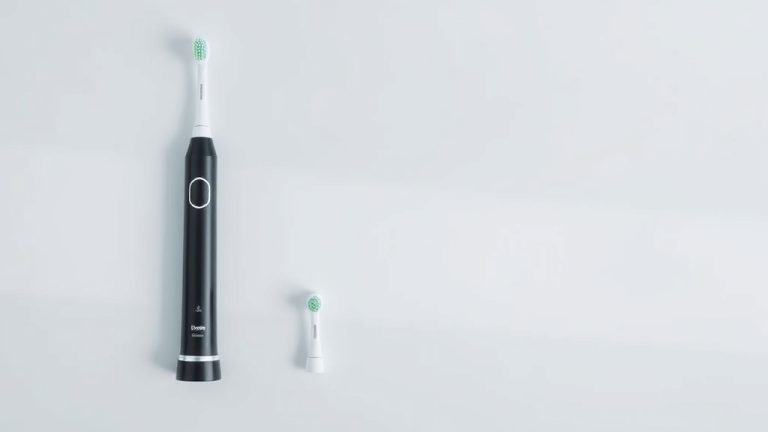
How Does an Electric Toothbrush Work? Guide
An electric toothbrush works by using a motor to create rapid movements of the brush head. These movements, either oscillating-rotating or sonic vibrations, effectively remove plaque and debris from your teeth. It’s like having a tiny, super-efficient cleaning crew right in your hand, designed to make your smile sparkle brighter.
Unlike manual brushing, electric toothbrushes bring consistent power and precision to your oral hygiene routine. Many models offer built-in timers to ensure you brush for the dentist-recommended two minutes. This technology aims to make achieving a thorough clean easier for everyone.
- Electric toothbrushes use motors for fast cleaning actions.
- They offer consistent power and precision for plaque removal.
- Many have timers to help you brush for the full two minutes.
- They are designed to improve your overall oral health.
Let’s walk through exactly how this works step by step, so you can get the most out of your electric toothbrush.
“`htmlUnderstanding How Your Electric Toothbrush Works
You’re curious about the magic behind that buzzing toothbrush, aren’t you? It’s more than just a vibrating gadget. An electric toothbrush uses a small, powerful motor to create fast, precise movements. These movements are designed to clean your teeth more effectively than you might achieve with a manual brush alone. Let’s break down the mechanics.
The Heart of the Matter: The Motor and Its Motion
At its core, every electric toothbrush relies on a motor. This motor is the engine that drives the cleaning action. When you switch on your toothbrush, this motor springs to life. It translates electrical energy into the physical motion of the brush head. This motion is key to dislodging plaque and debris.
Two Main Types of Motion
Most electric toothbrushes fall into one of two main categories based on their cleaning motion. Each type has a slightly different way of tackling those pesky plaque build-ups.
1. Oscillating-Rotating Technology
These brushes feature a brush head that moves in a circular, back-and-forth pattern. Think of it like a tiny windshield wiper on your teeth. The bristles sweep across the tooth surface. Many models also add a pulsating motion, which helps to break up plaque before the bristles sweep it away. This combination is very effective at scrubbing away surface stains and plaque.
2. Sonic Technology
Sonic toothbrushes, on the other hand, vibrate at extremely high speeds. We’re talking thousands of movements per minute. This creates a high-frequency vibration that generates dynamic fluid action. This means the bristles not only scrub but also agitate the fluid in your mouth (saliva and toothpaste). This fluid helps to clean even beyond where the bristles can physically reach. It’s a gentler yet powerful way to clean.
| Type of Electric Toothbrush | Primary Motion | How It Cleans |
|---|---|---|
| Oscillating-Rotating | Circular, back-and-forth sweeps | Scrubbing and sweeping away plaque and stains. Often pulsates too. |
| Sonic | High-speed vibrations | Agitates fluids for deeper cleaning, plus gentle scrubbing. |
The Brush Head: Your Cleaning Partner
While the motor does the heavy lifting, the brush head is your direct contact with your teeth. The design of the brush head is engineered to work with the motor’s action. Bristles are often angled and shaped to get into nooks and crannies. They are made from soft, flexible materials to protect your gums and enamel.
Bristle Design Matters
You’ll find bristles of varying lengths and textures. Some are specifically designed to polish tooth surfaces. Others are longer and thinner to reach between teeth. Many experts suggest that soft bristles are best for preventing gum recession and tooth wear (American Dental Association). The constant, precise movements ensure every bristle is working hard.
Replacing Your Brush Head
Over time, bristles fray and lose their effectiveness. Think of it like a regular toothbrush; it doesn’t stay good forever. Most manufacturers recommend replacing your electric toothbrush head every three to four months. Some brush heads even have indicator bristles that fade to remind you when it’s time for a change. This ensures you always get the best clean possible.
Powering Up: Batteries and Charging
How does this whole system get its juice? Electric toothbrushes are powered by rechargeable batteries. These are typically built into the handle.
The Charging Base
When your toothbrush runs low on power, you simply place it on its charging base. This base is usually connected to a power outlet. It often uses inductive charging, meaning there’s no direct electrical connection. The handle contains a coil that receives energy wirelessly from the base. This is a safer design, keeping electronics away from water.
Battery Life
Modern electric toothbrushes boast impressive battery life. Many can last for one to two weeks on a single charge. This makes them convenient for travel. You might not even need to pack the charger for a short trip!
Smart Features for a Smarter Clean
Many electric toothbrushes today come with added features to enhance your brushing experience. These aren’t just fancy bells and whistles; they’re designed to help you achieve optimal oral health.
Built-In Timers
Dentists generally recommend brushing for two minutes, twice a day. It can be surprisingly hard to time yourself accurately. Many electric toothbrushes have built-in timers. They might signal every 30 seconds to prompt you to switch quadrants of your mouth. A longer signal often indicates the full two minutes are up. This ensures you’re dedicating enough time to cleaning.
Pressure Sensors
Are you brushing too hard? It’s a common mistake that can damage your gums and enamel. Some electric toothbrushes have pressure sensors. If you apply too much force, the toothbrush will alert you. It might change its vibration pattern, light up, or even stop pulsing briefly. This feedback helps you develop a gentler, more effective brushing technique.
Connectivity and Apps
The most advanced models connect to smartphone apps via Bluetooth. These apps can track your brushing habits, provide real-time feedback on coverage, and even guide you through personalized brushing routines. It’s like having a dental hygienist offering tips right in your bathroom!
Here’s a quick checklist to remember the key components:
- Motor for movement
- Brush head with specific bristle design
- Rechargeable battery for power
- Charging base for convenience
- Optional: Timers, pressure sensors, app connectivity
Conclusion
You now understand how your electric toothbrush brings advanced technology to your oral care. The motor’s precise movements, whether oscillating-rotating or sonic, work with the brush head to effectively clean your teeth. Rechargeable batteries and smart features like timers and pressure sensors help you achieve a superior clean consistently. By understanding these mechanics, you can feel confident you’re making the best choice for your smile.
Make sure to replace your brush head every 3-4 months for optimal results. Your healthy smile will thank you!
Frequently Asked Questions
How often should I replace my electric toothbrush head?
Most dentists and manufacturers recommend replacing your electric toothbrush head every three to four months. Over time, bristles fray and lose their effectiveness, just like on a manual brush. Some heads even have indicator bristles that fade to signal when it’s time for a fresh one.
Can an electric toothbrush really clean better than a manual one?
Research often shows that electric toothbrushes can be more effective at removing plaque and reducing gingivitis. The consistent power and precision of their movements, especially in oscillating-rotating and sonic models, help dislodge debris more thoroughly. Many users also find it easier to maintain proper technique with an electric brush.
What is the difference between sonic and oscillating-rotating toothbrushes?
Oscillating-rotating brushes move in a circular, back-and-forth pattern, often with a pulsating motion to break up plaque. Sonic toothbrushes vibrate at very high speeds, creating fluid action that cleans beyond where the bristles touch. Both are highly effective, and the best choice often comes down to personal preference.
Why do electric toothbrushes have pressure sensors?
Pressure sensors are included to protect your gums and enamel. Brushing too hard is a common mistake that can lead to gum recession and tooth wear. When you apply too much force, the sensor alerts you, often by changing vibration patterns or lighting up, helping you learn a gentler brushing technique.
Do I need to use special toothpaste with my electric toothbrush?
You can typically use your regular fluoride toothpaste with an electric toothbrush. The motorized action of the brush itself is what enhances the cleaning power. Avoid abrasive toothpastes, as they can still wear down enamel or damage brush heads over time, regardless of the toothbrush type.