How Does an Electric Toothbrush Charger Work?
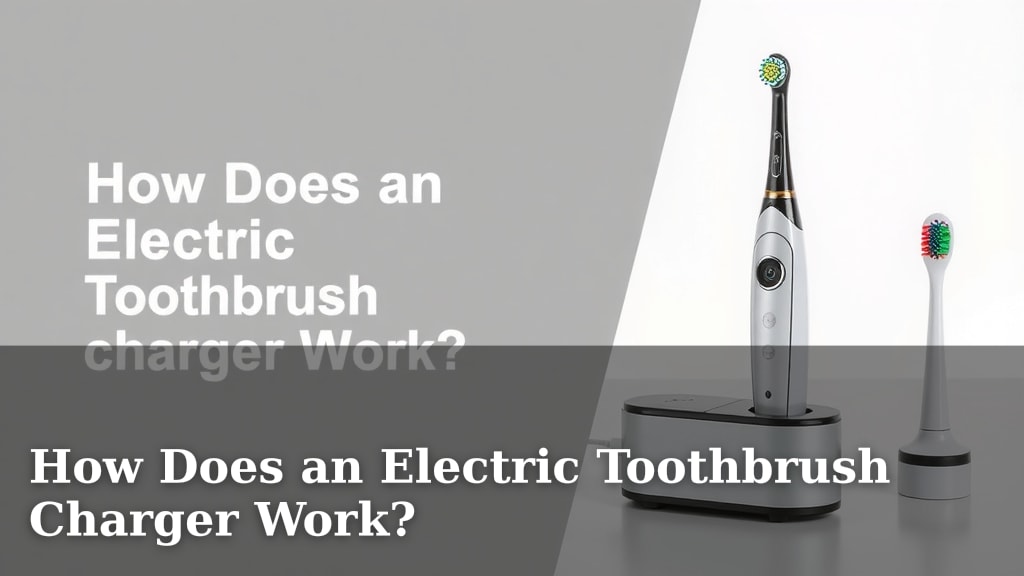
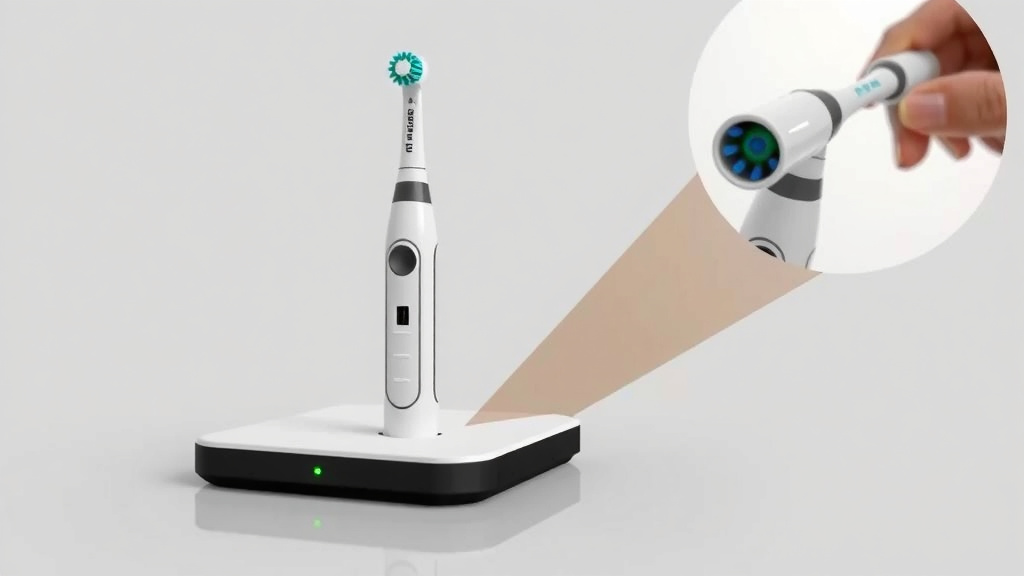
Your electric toothbrush charger likely uses inductive charging, a wireless power transfer method. This means your toothbrush doesn’t need to be physically plugged in. It works by using electromagnetic fields to send energy from the charger to your toothbrush. You just place your toothbrush on its base.
Many modern charging bases use this technology because it’s safe and waterproof for bathroom use. The charger itself still needs to be plugged into a wall outlet. But the connection to your toothbrush is entirely wireless. This makes charging your toothbrush both convenient and safe.
- Electric toothbrush chargers often use inductive charging.
- This is a wireless power transfer method.
- It uses electromagnetic fields to send energy.
- Your toothbrush just needs to be placed on the base.
- The charger itself still plugs into the wall.
Let’s walk through exactly how that magic happens and what makes it work so well for your daily routine.
Understanding Your Electric Toothbrush’s Wireless Charging System
So, you’ve got that slick electric toothbrush, and you just pop it on its base. Pretty simple, right? But have you ever wondered how that charger actually gets power into your toothbrush without any wires touching? It’s more than just magic; it’s a clever application of science called inductive charging. We’re going to break down exactly what that means and how it keeps your toothbrush ready to fight plaque.
The Magic Behind the Charger: Inductive Coupling
The heart of your electric toothbrush charger is a principle known as electromagnetic induction. Think of it like a secret handshake between two coils of wire. One coil is inside the charging base, and the other is cleverly hidden within your toothbrush handle. When you place your toothbrush on the base, these coils get close enough to “talk” to each other using electricity.
What is Electromagnetic Induction?
Researchers first described electromagnetic induction more than 190 years ago. Michael Faraday discovered that a changing magnetic field can create an electric current. This discovery is fundamental to how many electrical devices work. Your charger uses this principle to transfer energy wirelessly.
How the Charger Creates the “Handshake”
When you plug the charging base into the wall, electricity flows into it. Inside the base, there’s a component called a primary coil. This coil is connected to the power source. When electricity passes through this primary coil, it creates a fluctuating magnetic field around it. Imagine ripples spreading out from a stone dropped in water, but these are magnetic ripples.
The Magnetic Field at Work
This magnetic field isn’t just some weak puff of air. It’s a powerful, albeit localized, force. It extends a short distance from the charging base. The key here is that the field is constantly changing. This change is what allows energy to be transferred. It’s the dynamic nature of the field that’s so important.
The Toothbrush’s Role: Receiving the Power
Now, for your toothbrush. Inside its handle, nestled safely away from water and grime, is a secondary coil. When you position your toothbrush on the charging base, this secondary coil enters the magnetic field created by the primary coil. As the fluctuating magnetic field passes through the secondary coil, it induces an electric current within it. It’s like the toothbrush’s coil “catches” the magnetic ripples.
Converting Magnetic Energy Back to Electricity
This induced current is the raw power your toothbrush needs. It’s then directed to a battery inside the toothbrush. This battery stores the energy, much like a tiny rechargeable power pack. So, the magnetic field acts as a conduit, carrying energy from the charger to the toothbrush’s battery without any physical wires connecting them.
Why This Wireless Method is Ideal for Your Bathroom
You might be thinking, “Why go through all this trouble?” The answer is simple: safety and convenience. Bathrooms are wet places. Traditional electrical connections can be risky. Inductive charging eliminates the need for exposed metal contacts, making it a much safer choice.
Safety First: The Waterproof Advantage
The biggest win for inductive charging is its inherent safety in a bathroom environment. Water and electricity don’t mix well. By keeping the power transfer wireless, manufacturers can design toothbrush handles with sealed units. This means there are no openings where water can seep in and cause damage or create a safety hazard. Many experts agree that minimizing exposed electrical components in wet areas is a smart safety move (Cleveland Clinic).
The Convenience Factor: Just Drop and Charge
Let’s be honest, fumbling with tiny charging ports in a dimly lit bathroom isn’t anyone’s idea of fun. Inductive charging simplifies your routine. You don’t need to align a plug perfectly. You just place your toothbrush on its designated spot on the charging base. It’s designed to be effortless. This ease of use encourages you to charge your toothbrush regularly, ensuring it’s always ready when you need it.
Components and Variations in Charging Technology
While the core principle of inductive charging is consistent, there can be slight variations in how it’s implemented. Understanding the basic components helps demystify the process even further. It’s not just one single piece of technology; it’s a system working together.
Key Components in the System
At its core, the system involves a few main parts:
- Charging Base (Transmitter): This is the part plugged into your wall outlet. It contains the primary coil and the electronics to generate the alternating magnetic field.
- Toothbrush Handle (Receiver): This houses the secondary coil and the rechargeable battery. It also contains electronics to manage the charging process and convert the received energy.
- Power Adapter: This converts the wall’s AC power to the DC power needed by the charging base.
How Different Toothbrush Models Charge
Most major brands, like Oral-B and Philips Sonicare, use a form of inductive charging. The specific frequency of the magnetic field and the design of the coils can differ. These differences usually don’t affect how you use it. You still just place the toothbrush on its stand. Research has shown these variations are often optimized for efficiency and battery longevity.
What About Older Models or Different Brands?
Some very old electric toothbrushes might have used a direct plug-in method with exposed metal contacts. However, the vast majority of modern electric toothbrushes, even those from less common brands, have adopted inductive charging. It’s become the standard for good reason. It offers a superior user experience and better safety.
A Quick Checklist for Your Charger’s Health
To ensure your toothbrush charger works efficiently, consider these simple steps:
- Keep the charging base clean and dry.
- Ensure your toothbrush is placed correctly on the base for optimal contact.
- Use only the charger that came with your toothbrush.
- Avoid storing the charger near extreme heat or moisture.
- Check the power cord for any signs of damage.
- If charging seems slow, check for any obstructions between the toothbrush and the base.
Conclusion
You now understand the science behind your electric toothbrush charger. It’s all about inductive charging and electromagnetic induction. This clever system uses coils to transfer power wirelessly and safely. It makes keeping your toothbrush charged simple and worry-free. By knowing how it works, you can better care for your device. To ensure it keeps working its best, simply keep your charger clean and your toothbrush properly seated. This ensures a consistent charge every time.
Frequently Asked Questions
Does inductive charging work if my toothbrush isn’t perfectly aligned on the base?
Generally, yes, but alignment matters for efficiency. Most chargers have a tolerance for slight misalignment. However, optimal charging speed and battery health occur when the coils are well-aligned. If you notice slow charging, try repositioning your toothbrush.
Can I use a charger from a different brand for my electric toothbrush?
It’s strongly recommended to use only the charger that came with your toothbrush. While some might physically fit, they may operate at different frequencies or power outputs. Using an incompatible charger could damage your toothbrush’s battery or electronics.
How long does it typically take for an electric toothbrush to fully charge?
Charging times can vary by brand and model. Most electric toothbrushes take between 12 to 24 hours for a full charge. Some newer models offer faster charging options. A full charge usually lasts for several weeks of regular use.
Is inductive charging energy-efficient?
Inductive charging is less energy-efficient than direct wired charging. Some energy is lost as heat and in the magnetic field itself. However, the convenience and safety benefits are often considered worth this slight reduction in efficiency for bathroom use.
Why does my electric toothbrush sometimes stop charging even though it’s on the base?
This can happen for a few reasons. There might be debris or moisture between the toothbrush and the charging base, disrupting the connection. Overheating can also cause the charger to pause. Ensure both the toothbrush and base are clean and dry, and not in direct sunlight or extreme heat.