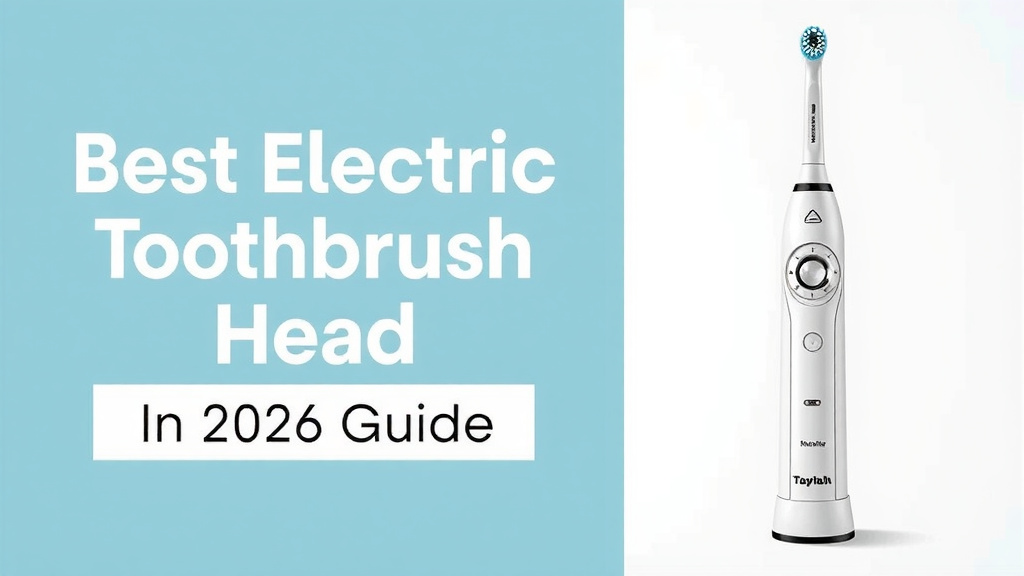
Best Electric Toothbrush Head: A 2026 Guide
Navigating the world of electric toothbrush heads in 2026 means finding the perfect match for your unique smile. For everyday brilliance, a classic cleaning head usually hits the mark. But if your gums are feeling a little delicate, a plush, soft-bristle option is the way to go. Trust us, the right head isn’t just a detail – it’s a game-changer for your oral hygiene.
Choosing the right replacement head can significantly improve your oral hygiene. Factors like bristle stiffness, head size, and special features matter. Think about your gum health and any dental work you might have. We found that many people benefit from specialized brush heads.
- Most people do well with a standard brush head.
- Opt for soft bristles if you have sensitive gums.
- Consider specialty heads for whitening or deep cleaning.
- Replace your brush head every 3 months for best results.
Ready to find the perfect match for your smile? Let’s dive into the different types of electric toothbrush heads and help you make an informed decision.
Choosing the Right Electric Toothbrush Head for Your Smile
Finding the perfect electric toothbrush head can feel like a puzzle. But don’t worry, we’re here to help you solve it. Your dental health is important. The right brush head can make a big difference in how clean your teeth feel. It can also help prevent common dental issues.
Understanding Your Needs: The First Step
Before you pick a replacement head, take a moment to think about your mouth. Do you have any sensitive gums? Are your teeth naturally sensitive to hot or cold? Do you have braces or other dental work? Your answers will guide you to the best option. Many people overlook this simple step.
Gum Sensitivity and Bristle Softness
If your gums tend to bleed or feel sore easily, soft bristles are your best friend. They provide a thorough clean without causing irritation. Harder bristles might feel like they’re cleaning better, but they can actually damage your gum tissue over time. Research shows that using soft bristles is key for healthy gums (American Dental Association).
Standard vs. Specialty Heads
Most electric toothbrushes come with a standard brush head. These are great for everyday cleaning. They are designed to remove plaque effectively. However, if you have specific concerns, specialty heads might be a better fit. These are designed for targeted cleaning.
Exploring Different Types of Brush Heads
Let’s break down the most common types you’ll find. Knowing their features will help you make a smart choice. It’s like picking the right tool for a job; you want the one that works best.
The All-Around Standard Head
These heads are built for daily plaque removal. They usually have a mix of bristle lengths and angles. This helps them reach different surfaces of your teeth. For most people, a standard head is perfectly adequate for maintaining good oral hygiene. They offer a solid balance of cleaning power and comfort.
The Gentle Touch: Sensitive Heads
As the name suggests, these are designed for users with sensitive teeth and gums. They feature extra-soft bristles. These bristles are much gentler on your gum line. If you’ve ever experienced discomfort with a regular brush head, a sensitive one is worth trying. They still clean effectively but with added gentleness.
For a Brighter Smile: Whitening Heads
Want to banish surface stains? Whitening brush heads often have special polishing cups or denser bristle arrangements. These are made to help remove stains from coffee, tea, or wine. While they can help brighten your smile, they aren’t a substitute for professional whitening treatments. They work best with regular use.
Deep Cleaners: Precision and Interdental Heads
Some heads are designed for more focused cleaning. Precision heads often have a smaller cup shape. This allows them to get into hard-to-reach areas. Interdental heads have longer bristles. They are designed to clean between your teeth, where regular brushing might miss spots. These can be helpful if you have tight spaces between teeth or dental work.
What Experts Recommend for Optimal Cleaning
Dentists often stress the importance of bristle stiffness. They also talk about how often you should replace your brush head. These are simple steps that have a big impact. Many guidelines point to consistent replacement as key (CDC).
Bristle Stiffness: A Key Factor
We found that soft bristles are almost universally recommended by dental professionals. Even if your gums aren’t particularly sensitive, soft bristles are the safest bet. They clean effectively without risking damage to your enamel or gums. Medium or hard bristles are rarely recommended for daily use.
The Importance of Regular Replacement
Think of your toothbrush head like the tires on your car. They wear down with use. Frayed or worn bristles don’t clean as well. They can also harbor more bacteria. Most manufacturers recommend replacing your brush head every three months. Some might even suggest sooner if the bristles look worn. We found that many people forget this simple task.
Making Your Final Choice: A Quick Checklist
To help you decide, here’s a quick guide. Ask yourself these questions:
- Do my gums bleed or feel tender easily? (If yes, choose soft bristles.)
- Am I looking for general cleaning, or do I have specific goals like whitening?
- Do I have braces, implants, or other dental work that requires special cleaning?
- How often do I plan to replace my brush head? (Aim for every 3 months.)
- Is the brush head compatible with my electric toothbrush model? (This is crucial!)
- Does the brand offer heads that are recognized by dental associations?
Compatibility is Key: Don’t Forget This!
It might sound obvious, but make sure the replacement heads you buy are actually compatible with your specific electric toothbrush. Brands often have unique connection systems. Using the wrong head might not fit properly or could even damage your toothbrush. Always check the packaging for compatibility information. We found this common mistake can be avoided with a quick check.
Conclusion
You’ve learned that the best electric toothbrush head isn’t a one-size-fits-all solution. It truly depends on your unique dental needs, like sensitive gums or specific cleaning goals. Remember to consider bristle softness and whether a standard or specialty head is right for you. We found that making an informed choice can significantly boost your oral hygiene routine. Your next step is to check your current brush head for wear and purchase a compatible replacement that matches what you’ve learned today. Happy brushing!
Frequently Asked Questions
How often should I replace my electric toothbrush head?
You should plan to replace your electric toothbrush head about every three months. This is what most manufacturers and dental professionals recommend. Worn bristles don’t clean as effectively and can harbor more bacteria, so keeping them fresh is key for good oral health.
Can I use any electric toothbrush head with my toothbrush?
No, you cannot use any electric toothbrush head with your toothbrush. Brands often have proprietary connection systems, meaning heads are designed to fit specific models. Always check the packaging to ensure the replacement head is compatible with your electric toothbrush base before buying.
Are soft bristles always the best option?
For most people, yes, soft bristles are the recommended choice. Even if you don’t have naturally sensitive gums, soft bristles clean effectively without risking damage to your enamel or gum tissue. Research consistently shows soft bristles are the safest for daily use.
What’s the difference between a standard and a whitening brush head?
A standard brush head is designed for everyday plaque removal and general cleaning. A whitening brush head often includes features like polishing cups or denser bristles specifically aimed at removing surface stains from things like coffee or tea, helping to brighten your smile over time.
When should I consider a specialty brush head instead of a standard one?
You should consider a specialty brush head if you have specific oral health concerns. This could include sensitive gums needing gentler cleaning (sensitive heads), a desire for brighter teeth (whitening heads), or issues reaching certain areas (precision or interdental heads).