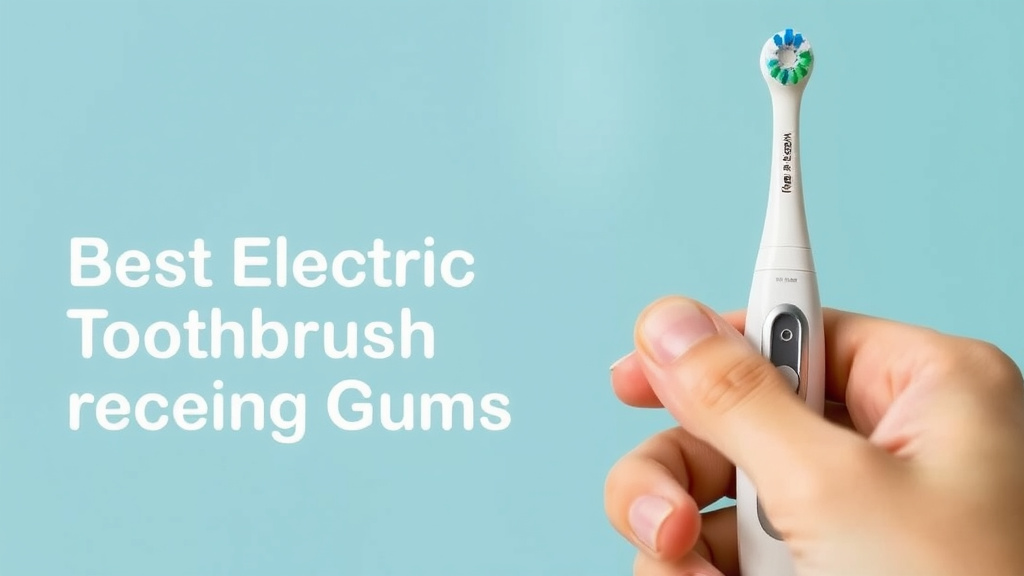
Best Electric Toothbrush for Receding Gums
Navigating the world of electric toothbrushes in 2026, especially when dealing with receding gums, requires a specific approach. Forget the guesswork; the real game-changers for a gentle yet thorough clean are models boasting ultra-soft bristles and intelligent pressure sensors. These aren’t just nice-to-haves anymore; they’re essential for safeguarding delicate gumlines and ensuring your smile stays healthy and vibrant.
Receding gums can be a concern for many. Choosing the right toothbrush is essential for oral health. We found that focusing on brush head design and vibration settings can make a big difference. It’s about being gentle while still getting your teeth clean.
- Look for soft bristles to protect sensitive gums.
- A pressure sensor is a must-have feature.
- Consider toothbrushes with multiple cleaning modes.
- Oscillating-rotating or sonic technology can be effective.
Let’s walk through exactly what to look for and some top recommendations to help you find the perfect electric toothbrush for your sensitive gums.
Choosing the Right Electric Toothbrush for Sensitive, Receding Gums
Finding the best electric toothbrush for receding gums means prioritizing gentleness and effectiveness. You want a toothbrush that cleans thoroughly without causing more harm. We’ve researched what makes an electric toothbrush suitable for this specific need.
Understanding Receding Gums and Toothbrush Choice
Receding gums occur when gum tissue pulls away from the teeth. This exposes the tooth’s root and can lead to sensitivity and further dental issues. Using the wrong toothbrush can worsen this problem. Aggressive brushing can damage the gum line. Many dental professionals recommend electric toothbrushes for their consistency.
The key is to find one that offers a gentle yet effective clean. This means looking beyond just brand names or fancy features. Your focus should be on the brush head and how the toothbrush operates. We found that certain technologies and bristle types stand out.
Key Features to Look For
When you’re shopping, keep an eye out for a few essential features. These will make the biggest difference for your oral health.
1. Soft Bristles Are Non-Negotiable
This is perhaps the most important factor. Toothbrush bristles come in various strengths: firm, medium, and soft. For receding gums, you absolutely want soft bristles. They are much gentler on your gum tissue. They bend more easily, reducing irritation and potential damage. Some brands even offer extra-soft or ultra-soft options. Always check the packaging for bristle softness.
2. The Power of Pressure Sensors
Do you sometimes press too hard when brushing? Many people do, often without realizing it. Brushing too hard is a common culprit behind gum recession. A pressure sensor is a lifesaver for your gums. It alerts you, usually with a light or a change in vibration, when you’re applying too much force. This feature helps you maintain the correct pressure for a safe clean. We found this feature to be incredibly helpful for users with sensitive gums.
3. Gentle Cleaning Modes
Some electric toothbrushes offer multiple cleaning modes. For receding gums, look for modes like “Sensitive,” “Gum Care,” or “Gentle.” These modes typically use slower oscillations or vibrations. They are designed to clean effectively while minimizing stress on your gums. A standard “Clean” mode might be too intense. Having options allows you to customize your brushing experience. This is a big plus for managing sensitive areas.
4. Brush Head Design Matters Too
Beyond bristle softness, the size and shape of the brush head can play a role. Smaller brush heads can reach tight spots more easily. This helps ensure you get a good clean without needing to scrub aggressively. Some heads are designed with softer outer bristles that are even gentler on the gum line. Many dentists recommend replacing your brush head every three to four months, or sooner if the bristles fray.
Understanding Electric Toothbrush Technologies
Electric toothbrushes use different methods to clean your teeth. The two most common are oscillating-rotating and sonic technology.
Oscillating-Rotating Technology
These brushes feature a small, round brush head that rotates back and forth. They often also pulsate. This action is very effective at removing plaque. Many people find the sensation quite thorough. For sensitive gums, it’s important to pair this technology with soft bristles and a pressure sensor.
Sonic Technology
Sonic toothbrushes vibrate at a very high speed. This creates thousands of brush strokes per minute. The vibrations help dislodge plaque and food particles. They also create a dynamic cleaning action that reaches slightly beyond where the bristles touch. Many users find sonic toothbrushes to be gentler than oscillating-rotating models. They can be a great choice for those with receding gums due to their less abrasive nature.
We found that both technologies can be effective when used correctly. The choice often comes down to personal preference and what feels most comfortable for your gums.
Comparing Top Electric Toothbrush Types for Gum Health
Let’s look at how different types of electric toothbrushes stack up for those with receding gums. Keep in mind that specific models within these categories will vary.
| Feature | Oscillating-Rotating | Sonic | Manual |
|---|---|---|---|
| Bristle Softness | Available with soft bristles | Typically features soft bristles | Must be chosen carefully (soft) |
| Pressure Sensor | Common on mid-to-high end models | Common on mid-to-high end models | None |
| Gum Care Modes | Often available | Often available | None |
| Cleaning Action | Rotating, pulsating; very effective | High-frequency vibration; gentle but effective | Relies on user technique |
| Best For | Thorough cleaning, plaque removal (with care) | Gentle yet effective cleaning, sensitivity | Budget-conscious, precise user control |
As you can see, both oscillating-rotating and sonic electric toothbrushes can be excellent choices. The table highlights that manual toothbrushes lack the built-in features electric models offer for gum protection. Precision is key with any toothbrush, but electric ones can automate much of that precision for you.
Making the Final Decision: What to Prioritize
So, what’s the verdict? When you’re looking for the best electric toothbrush for receding gums, focus on these core elements:
- Soft or Extra-Soft Bristles: This is non-negotiable.
- Pressure Sensor: Protects your gums from over-brushing.
- Gentle Cleaning Mode: For a customized, less intense clean.
- Reputable Brand: Often indicates better build quality and features.
- Comfortable Grip: Makes brushing easier and more consistent.
Many dental experts agree that the right electric toothbrush can significantly improve gum health over time. We found that users often report less sensitivity and bleeding after switching to a toothbrush with these features. It’s about being kind to your gums while still achieving a sparkling clean. Think of it like choosing the right tool for a delicate job. You wouldn’t use a sledgehammer to hang a picture frame, right? Similarly, you shouldn’t use harsh brushing techniques or tools on your sensitive gums.
Your Checklist for a Gum-Friendly Electric Toothbrush
To help you navigate your choices, here’s a quick checklist:
- Does it have ultra-soft bristles?
- Does it include a pressure sensor?
- Are there specific sensitive or gum care modes?
- Is the brush head size comfortable for your mouth?
- Does the toothbrush feel good in your hand?
By focusing on these points, you’re well on your way to finding an electric toothbrush that supports your gum health. Remember to always consult with your dentist or dental hygienist if you have persistent concerns about gum recession.
Conclusion
Finding the right electric toothbrush for receding gums is all about prioritizing gentleness and smart technology. We’ve shown that focusing on soft bristles and a reliable pressure sensor is your best defense against further gum irritation. Remember to look for models with specific sensitive or gum care modes for a customized clean. Making this switch isn’t just about oral hygiene; it’s about caring for your gums with the right tools. Your next step is to review the features we discussed and choose a toothbrush that feels comfortable and safe for your unique needs.
Frequently Asked Questions
Can an electric toothbrush really help with receding gums?
Yes, an electric toothbrush can help if you choose the right one. Models with soft bristles and a pressure sensor are designed to clean effectively without damaging sensitive gums. This gentle approach can help prevent further recession and improve overall gum health.
How often should I replace the brush head on an electric toothbrush for receding gums?
You should aim to replace your brush head every three to four months, or sooner if you notice the bristles are fraying or splaying. Worn-out bristles are less effective and can be harsher on your gums, so keeping them in good condition is important.
Are sonic or oscillating-rotating toothbrushes better for receding gums?
Both sonic and oscillating-rotating toothbrushes can be effective, but it often comes down to personal preference and the specific features of the model. Many find sonic technology to be gentler due to its high-frequency vibrations, making it a great option for sensitive gums.
What’s the most important feature for an electric toothbrush if my gums are receding?
The single most important feature is soft or extra-soft bristles. These bristles are crucial for preventing further damage and irritation to your gum tissue. A pressure sensor is a very close second, as it stops you from brushing too hard.
Is it okay to use a regular “Clean” mode on my electric toothbrush if I have receding gums?
It’s generally best to avoid standard “Clean” modes if you have receding gums. Look for toothbrushes that offer specific modes like “Sensitive,” “Gum Care,” or “Gentle.” These settings provide a less intense cleaning action that is much kinder to your delicate gum line.