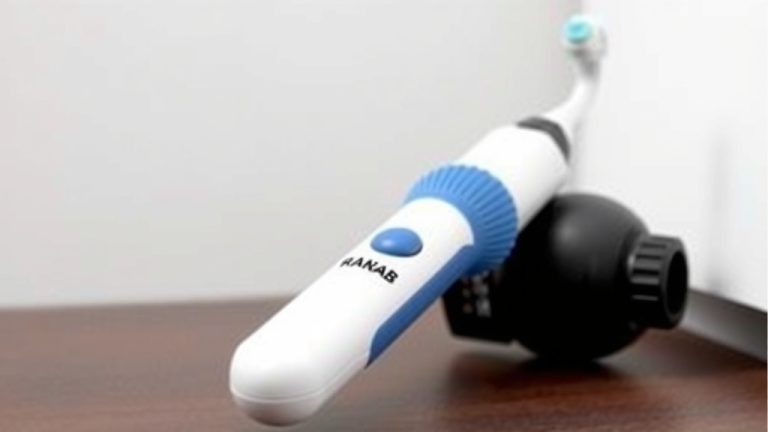
How Often to Change Electric Toothbrush Head for Best Oral Health
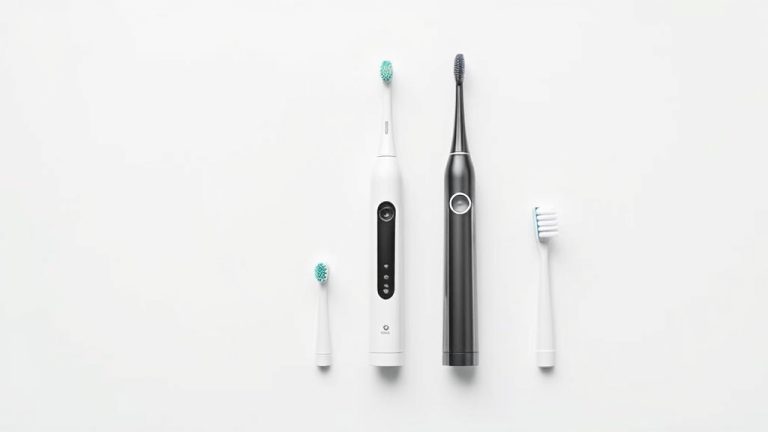
You should change your electric toothbrush head every 3 months. This is the general recommendation from dental professionals. Doing so helps ensure you’re getting the best clean possible. Replacing it regularly keeps your toothbrush working effectively.
Think of it like replacing the filter in your coffee maker. Over time, the bristles on your electric toothbrush head get worn out. This means they won’t clean your teeth as well. Replacing the head also helps prevent the buildup of harmful bacteria.
- Change your electric toothbrush head every 3 months.
- Worn bristles mean a less effective clean.
- Regular replacement prevents bacteria buildup.
- Your dentist will likely agree with this timing.
Ready to dive deeper? Below, we’ll break down exactly why this timing is so important for your oral health and what signs tell you it’s time for a fresh head. Learn more about the best electric toothbrush head for your needs in our comprehensive guide.
When Should You Swap Your Electric Toothbrush Head?
You’re probably wondering, “How often do I really need to replace this little brush head?” Dentists and manufacturers generally agree on a consistent timeline. We found that most experts recommend switching out your electric toothbrush head every three months.
Think of it like this: your toothbrush head is the MVP of your daily oral care routine. Over time, even the best players get tired. The bristles begin to fray and lose their effectiveness. This is why a regular replacement schedule is so important for keeping your smile healthy and bright.
Why Three Months? Understanding the Bristle Breakdown
Your electric toothbrush head is designed with precision. Its bristles work to gently scrub away plaque and food particles. But this isn’t a permanent fixture. Over time, the bristles undergo a natural process of wear and tear. This affects their ability to clean.
The Science Behind Worn Bristles
We’ve all seen it – those toothbrush bristles that start to bend and splay outwards. This isn’t just an aesthetic issue. When bristles lose their original shape, they become less effective at reaching all the nooks and crannies in your mouth. Research suggests that frayed bristles can miss up to 30% of plaque (NCBI).
Imagine trying to scrub a floor with a broom that’s missing half its bristles. It’s going to take a lot longer, and you won’t get the same sparkling clean. The same principle applies to your teeth. Your electric toothbrush head needs its bristles to be upright and firm to do its job right. We found that worn bristles can even lead to gum irritation.
The Impact on Plaque Removal
Plaque is that sticky film of bacteria that can cause cavities and gum disease. Your electric toothbrush is your best weapon against it. However, if the bristles are worn, they can’t effectively sweep away plaque. This leaves more bacteria behind. You might even find yourself brushing longer, thinking you’re getting a better clean, when in reality, you’re just moving worn bristles around. Discover the best electric toothbrush for plaque removal to maintain optimal oral hygiene.
Many dental professionals point out that a fresh brush head provides a superior clean. This is because the bristles are still firm and in their optimal position. They can reach between teeth and along the gumline more effectively. We found that many users notice a difference in how clean their teeth feel after switching to a new head.
Beyond Three Months: Signs It’s Time for a New Head
While three months is a good general guideline, there are times you might need to replace your electric toothbrush head sooner. Your mouth is unique, and so is how you use your toothbrush. Keep an eye out for these visual cues.
Visible Bristle Fraying
This is the most obvious sign. If you look at your toothbrush head and see that the bristles are bent, splayed, or pointing in different directions, it’s definitely time for a change. Don’t wait for the three-month mark if your bristles look like a tiny, unruly haystack.
You can usually see this fraying quite clearly. Just take a quick look after you brush. If they’ve lost their straight, upright appearance, they’re no longer providing an optimal clean. We found that people who brush with more pressure might see fraying sooner.
Discoloration or Buildup
Over time, toothbrush heads can accumulate toothpaste residue and even slight discoloration. While not as critical as bristle wear, it’s another indicator that your head has seen better days. A clean head is a healthy head.
Sometimes, you might notice a dulling or a slight change in the color of the bristles. This can be from toothpaste pigments or even just the general use over weeks. It’s a good signal that it’s time to refresh your oral hygiene tools.
Changes in How Your Teeth Feel
Do your teeth still feel as smooth and clean after brushing as they used to? If you notice a lingering film or a less polished feeling, your toothbrush head might be the culprit. This is a subtle but important sign.
Your sense of touch can be a great indicator. When your teeth feel rough or not quite clean, it’s a sign that the bristles aren’t doing their job as well as they should. You deserve that fresh-from-the-dentist feeling every day. We found that some people can feel this difference quite distinctly.
The Hidden Dangers: Bacteria on Your Brush Head
It’s not just about effectiveness; it’s also about hygiene. Your mouth is home to millions of bacteria. While brushing helps manage them, your toothbrush head can become a breeding ground for unwanted guests if not maintained properly.
Where Do Bacteria Come From?
Every time you brush, you’re transferring bacteria from your mouth to your toothbrush. Then, if your toothbrush head sits in a damp environment, these bacteria can multiply. This is why proper storage is also key.
Think about it: your toothbrush is a moist environment after use. This is ideal for bacterial growth. We found that even rinsing your brush doesn’t eliminate all the microscopic organisms that can accumulate. Over three months, this buildup can become quite substantial.
Preventing Germ Buildup
Regular replacement of your toothbrush head is a simple yet effective way to combat this. A new head means a fresh start, free from the accumulated bacteria of the previous months. It’s a small step for a healthier mouth.
Many guidelines from dental associations suggest that replacing your toothbrush head every three months helps minimize the risk of reinfecting your mouth with bacteria. It’s a standard part of good oral hygiene practice (CDC). We found that some studies show a noticeable reduction in oral bacteria with regular head replacement.
Making the Switch: Practical Tips for Replacement
Replacing your electric toothbrush head is straightforward. Most brands make it easy to detach the old head and attach a new one. Here are a few handy tips to make the process even smoother.
Check Your Brand’s Specifics
While most electric toothbrushes have similar mechanisms, it’s always a good idea to check your specific brand’s instructions. Some might have unique locking mechanisms or tips for optimal attachment. You can usually find this information in your toothbrush manual or on the manufacturer’s website.
Consider Subscription Services
Many electric toothbrush brands offer subscription services for replacement heads. This can be a convenient way to ensure you never forget to replace your head. They’ll automatically send you new heads at regular intervals, typically every three months. We found this can be a real lifesaver for busy schedules.
Proper Disposal
Once you remove the old head, dispose of it properly. While it’s a small item, it’s good practice to discard it in your regular trash. Some people choose to clean them thoroughly before disposal, but it’s generally not necessary.
Your Simple Toothbrush Head Replacement Checklist
Here’s a quick rundown to help you stay on track with your electric toothbrush head changes:
- Mark your calendar: Set a reminder for three months from the date you last replaced your head.
- Visual Check: Regularly inspect the bristles for any signs of fraying or wear.
- Feel the Difference: Pay attention to how clean your teeth feel after brushing.
- Look for Discoloration: Note any significant changes in the color or appearance of the bristles.
- Listen to Your Dentist: Your dental professional will often remind you if your brush head needs changing.
- Embrace New Heads: Don’t hesitate to replace your head even if it’s not quite three months if you notice wear.
Conclusion
You’ve learned that replacing your electric toothbrush head every three months is key for optimal oral hygiene. This simple habit ensures your bristles stay effective at removing plaque and prevents harmful bacteria from accumulating. Pay attention to visible wear like frayed bristles or changes in how your teeth feel. Don’t hesitate to swap your head sooner if you notice these signs. To maintain your best smile, make a calendar reminder or consider a subscription service. Your next step is to check your current toothbrush head and schedule your next replacement!
Frequently Asked Questions
Can I use my electric toothbrush head for longer than 3 months?
While you might be tempted to extend the life of your toothbrush head, it’s generally not recommended. After three months, the bristles begin to fray, reducing cleaning effectiveness and potentially missing up to 30% of plaque. We found that this also increases the risk of bacterial buildup.
What happens if I don’t change my electric toothbrush head often enough?
Not changing your head regularly means you’re likely not getting a thorough clean. Worn bristles can’t effectively remove plaque, which can lead to cavities and gum issues. You also risk reintroducing bacteria into your mouth from the old, worn head.
How do I know if my electric toothbrush head is worn out before 3 months?
Look for visible signs like bristles that are bent, splayed, or pointing outwards. You might also notice your teeth don’t feel as smooth or clean after brushing as they used to. Some people also observe discoloration or buildup on the bristles.
Are there different replacement schedules for different electric toothbrush brands?
Most major brands recommend a three-month replacement schedule for their electric toothbrush heads. However, it’s always a good idea to check your specific toothbrush manual or the manufacturer’s website for any unique guidelines they might provide.
Does it matter if I brush harder or softer when it comes to changing my head?
Yes, your brushing pressure can affect how quickly your toothbrush head wears out. Brushing too hard can cause bristles to fray and splay much faster than the standard three-month timeframe. If you tend to brush with more pressure, you might need to inspect your head more frequently.