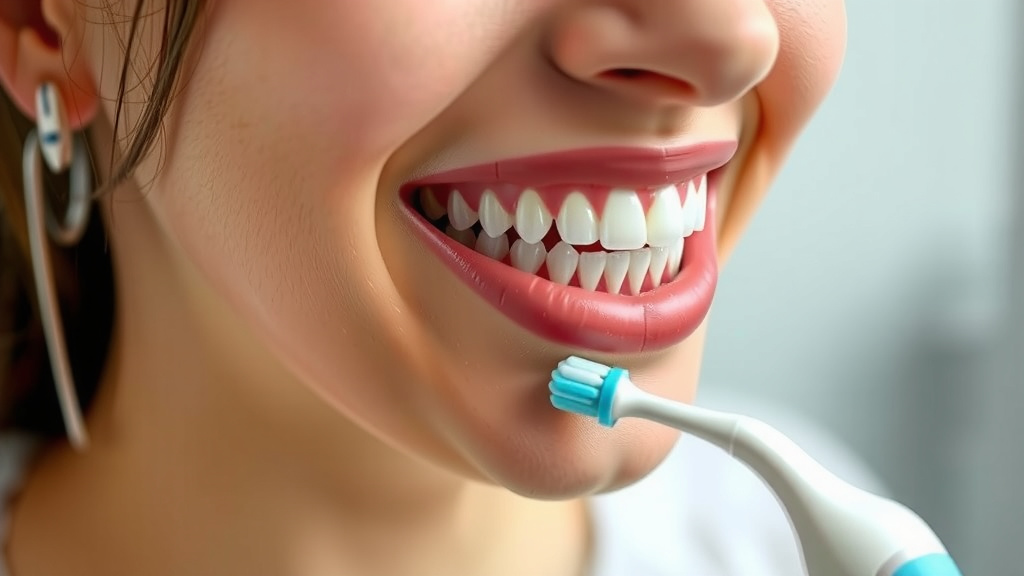
Electric Toothbrush for Gums: Proper Brushing Guide
Brushing your gums with an electric toothbrush is a gentle yet effective way to improve oral health. You simply need to angle the brush head at a 45-degree angle towards your gum line and let the brush do the work. Focus on one tooth at a time for about 2-3 seconds before moving to the next.
Many people worry about being too rough, but electric toothbrushes are designed to clean thoroughly without causing damage. Using an electric toothbrush correctly can help reduce plaque buildup Using an electric toothbrush correctly can help reduce plaque buildup and prevent gum disease. Discover the best electric toothbrush for plaque and tartar removal. and prevent gum disease. We found that consistent, gentle brushing is key for healthy gums and a brighter smile.
- Angle brush at 45 degrees to gum line.
- Spend 2-3 seconds per tooth.
- Let the brush do the cleaning motion.
- Brush your gums gently, not aggressively.
Ready to learn how to make your gums happy with your electric toothbrush? Let’s walk through exactly how to get that deep clean feeling.
You’ve got your shiny new electric toothbrush, and you’re ready to give your smile some extra sparkle. But how do you make sure you’re not just scrubbing your teeth, but also giving your gums the care they deserve? It’s simpler than you might think! Many people wonder if they’re being too rough or not gentle enough. Let’s get this right so your gums feel fantastic.
Mastering Gum Care with Your Electric Toothbrush
Using an electric toothbrush on your gums is all about a gentle touch and the right angle. You’re not trying to scrub away stubborn stains; you’re encouraging healthy tissue. We found that the key is letting the toothbrush do the work for you. Think of it like a gentle massage for your gums. This approach helps remove plaque without causing irritation.
The Perfect Angle: Your 45-Degree Guide
This is perhaps the **most important step** for effective gum brushing. You want to position the bristles of your electric toothbrush head so they are angled slightly towards your gum line. A 45-degree angle is the sweet spot. It allows the bristles to get just under the edge of your gums where plaque loves to hide. Imagine tucking the bristles in gently. This technique is widely recommended by dental professionals.
Why 45 Degrees?
This angle ensures that the bristles can effectively sweep away plaque and debris from both the tooth surface and the gum line. When you brush straight on, you miss that critical area. We found that many people simply hold the brush flat against their teeth. This angle gets the job done without needing to press hard.
The “One Tooth at a Time” Method
Resist the urge to scrub back and forth across multiple teeth. Instead, focus on one tooth at a time. Place the brush head against the tooth and let it rest there for a few seconds. This allows the electric toothbrush’s oscillations or vibrations to do their job. You’re giving each tooth and its surrounding gum line individual attention. This focused approach ensures **thorough cleaning**.
How Long Should You Spend?
Aim for about 2 to 3 seconds per tooth. This might feel like a long time at first, but it’s usually just enough. During this time, you can slightly tilt the brush head to cover the front, top, and back surfaces of each tooth, always maintaining that 45-degree angle to the gum line. We discovered that this slow, deliberate pace is far more effective than a quick sweep.
Gentle Pressure is Your Best Friend
Electric toothbrushes are designed to clean effectively with **minimal pressure**. Many models even have pressure sensors to alert you if you’re pressing too hard. Your goal isn’t to scrub; it’s to guide. Think of it as a soft caress rather than an aggressive scrub. Too much pressure can actually damage your gums and tooth enamel. We learned that most people tend to apply far too much force.
What Happens If You Press Too Hard?
Applying excessive pressure can lead to several issues. Your gums might become irritated, red, or even start to bleed. Over time, this can cause gum recession, where your gum tissue pulls away from your teeth. This exposes the root surfaces, making your teeth more sensitive and vulnerable. The American Dental Association (ADA) guidelines often highlight the importance of light pressure for gum health.
Let the Brush Do the Moving
This is a common mistake people make with electric toothbrushes. They move them back and forth like a manual brush. Don’t do that! Your electric toothbrush has a motor designed to create thousands of brush strokes per minute. Your job is to simply guide the brush head from tooth to tooth. Let the **technology work for you**. It’s like letting a professional detailer buff your car instead of doing it yourself.
Coverage: Don’t Forget Any Spots!
It’s easy to overlook certain areas. Make sure you’re brushing the outer surfaces, inner surfaces, and chewing surfaces of all your teeth. Pay special attention to the back molars, as they can be hard to reach. Remember to spend time on the gum line itself, as that’s where plaque accumulation often starts.
Inner Surfaces: The Often-Missed Zone
Many people focus on the outer surfaces of their teeth, but the inner surfaces are just as important. The angle of the brush head can be tricky here. Try tilting the toothbrush vertically for the inner surfaces of your front teeth. For the inner surfaces of your back teeth, a 45-degree angle towards the gum line still works wonders. We found that consistent attention to these areas significantly reduces plaque.
The Chewing Surfaces
While not directly brushing your gums, cleaning the chewing surfaces is still part of a complete oral hygiene routine. Hold the brush head flat against these surfaces for a few seconds to ensure they are clean. This helps remove food particles and bacteria before they can cause problems.
Bringing It All Together: Your Brushing Routine Checklist
Here’s a quick rundown to make sure you’re on the right track:
- Select a soft-bristled brush head.
- Apply toothpaste to the damp bristles.
- Angle the brush head at 45 degrees to your gum line.
- Spend 2-3 seconds on each tooth’s gum line.
- Let the toothbrush do the brushing motion; just guide it.
- Use gentle pressure; let the sensor (if available) guide you.
By following these steps, you’ll ensure your gums get the cleaning they need to stay healthy and strong. It might take a little practice, but the results – a cleaner mouth and happier gums – are definitely worth it!
Conclusion
You’ve now learned the simple yet effective way to brush your gums with an electric toothbrush. Remember, it’s all about a gentle touch and the right angle. By angling your brush at You’ve now learned the simple yet effective way to brush your gums with an electric toothbrush. Our guide covers the best electric toothbrush to prevent gum recession.45 degrees and letting the technology do the work, you can significantly improve gum health. Focus on one tooth at a time for a few seconds, and always use light pressure. Consistent, gentle care of your gum line will lead to a healthier mouth and a more confident smile. Start incorporating these techniques into your routine today for noticeably happier gums!
Frequently Asked Questions
How often should I brush my gums with an electric toothbrush?
You should brush your gums with your electric toothbrush every time you brush your teeth, which is typically twice a day. This consistent habit helps prevent plaque buildup and keeps your gum tissue healthy. Don’t forget to dedicate time to this gentle gum care during each brushing session.
Can brushing my gums too hard damage them?
Yes, absolutely. Brushing your gums with too much pressure can lead to irritation, bleeding, and even gum recession over time. Electric toothbrushes are designed to clean effectively with minimal force, so it’s important to let the brush do the work without pressing hard against your gums.
What kind of electric toothbrush head is best for gums?
A soft-bristled brush head is generally recommended for brushing gums. Soft bristles are less likely to cause irritation or damage to your delicate gum tissue. Many electric toothbrush brands offer specific “sensitive” or “gum care” brush heads designed for this purpose.
Should I still floss if I’m brushing my gums effectively?
Yes, you should definitely continue to floss daily. Brushing your gums with an electric toothbrush cleans the gum line well, but flossing is essential for removing plaque and food particles from between your teeth and under the gum line where the toothbrush bristles can’t reach.
My gums bleed when I brush them, what should I do?
If your gums bleed when you brush, even gently, it could be a sign of gum inflammation or gingivitis. Continue to brush gently at a 45-degree angle, but it’s very important to schedule an appointment with your dentist. They can assess the situation, provide professional cleaning, and offer personalized advice to improve your gum health.