Clean Your Electric Toothbrush Head Inside & Out
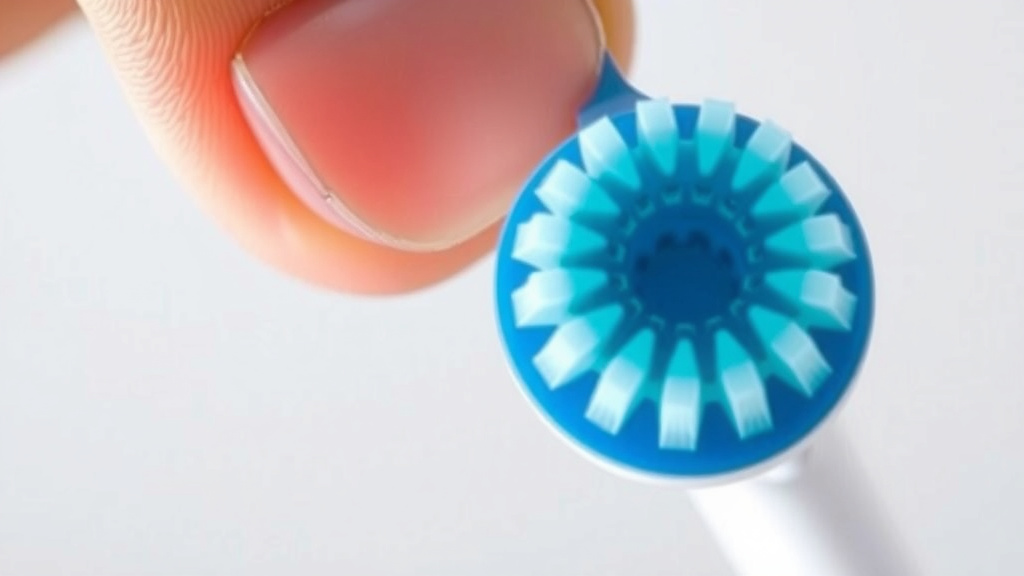
The easiest way to clean the inside of your electric toothbrush head is with warm water and a little gentle scrubbing. You can use your fingers or a soft cloth. Regular rinsing after each use prevents buildup. This simple process keeps your toothbrush hygienic and working properly for a longer time.
Keeping your electric toothbrush clean is more than just about looks. A clean brush head helps prevent the growth of bacteria and mold. This ensures you’re getting the best possible clean for your teeth and gums. It’s a small step that makes a big difference in your oral hygiene routine.
- Rinse your toothbrush head with warm water after every use.
- Gently scrub any visible residue with your fingers or a soft cloth.
- Occasionally, you can use a bit of mild soap or mouthwash for a deeper clean.
- Allow the brush head to air dry completely between uses.
- Replace your toothbrush head regularly, typically every 3 months.
Let’s walk through exactly how to keep that toothbrush head sparkling clean, step by step.
Keeping Your Electric Toothbrush Head Pristine
You love your electric toothbrush, right? It makes brushing feel like a spa day for your mouth. But what about that little head? It can get a bit grimy sometimes. We’re here to show you how to clean the inside of your electric toothbrush head easily.
Why a Clean Brush Head Matters So Much
Think of your toothbrush head like a tiny cleaning crew. If they’re not clean, how can they do a good job? Buildup can happen on the inside. This can mean less effective cleaning for your teeth. Plus, nobody wants to think about yucky stuff growing there. Keeping it clean is good for your oral health.
The Germ Factor: What’s Lurking?
Yes, your toothbrush can be a breeding ground for germs. After all, it’s hanging out in a moist environment. Bacteria and even mold can grow if you’re not careful. We found that regular rinsing is key (CDC). This simple step drastically reduces the chance of buildup. It ensures your brush head is ready for action, not for harboring unwanted guests.
Maintaining Optimal Performance
A clean toothbrush head works better. When gunk builds up, it can affect the bristles’ movement. This means it might not be cleaning your teeth as effectively as it should. Keeping it clean helps maintain the bristle flexibility. This ensures you’re getting the best possible clean every time you brush.
Your Step-by-Step Guide to a Sparkling Brush Head
Ready to get your toothbrush head looking and feeling brand new? It’s easier than you think. We’ll break it down into simple, actionable steps.
Step 1: The Post-Brush Rinse – Your First Line of Defense
This is the most important habit to build. As soon as you finish brushing, run the brush head under warm running water. Let the water flow over and through the bristles for a good 10-15 seconds. This washes away toothpaste and loose debris before it has a chance to dry and stick.
Step 2: Gentle Scrubbing for Stubborn Bits
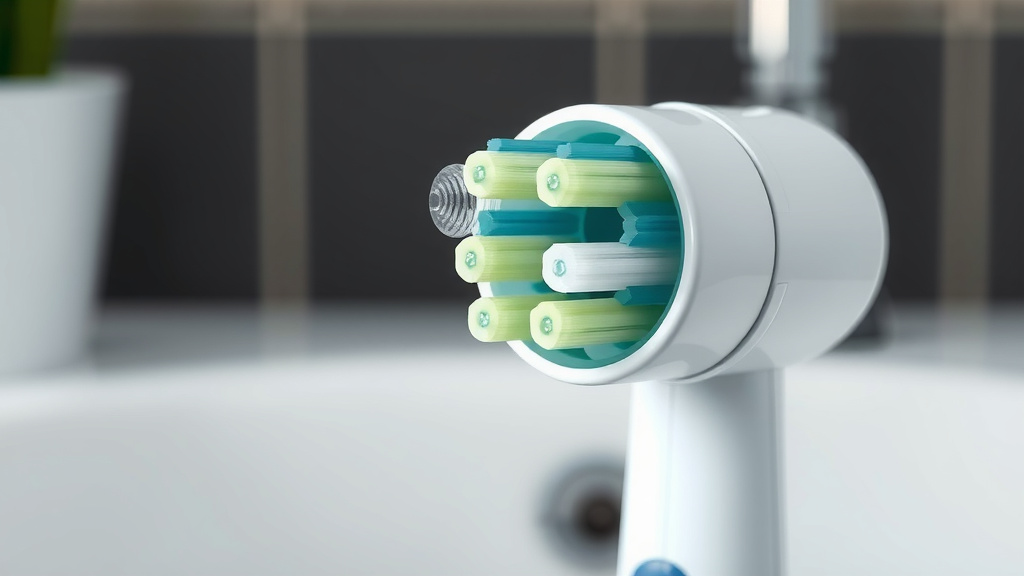
Sometimes, a simple rinse isn’t enough. You might see a little toothpaste residue clinging on. Gently use your fingertip or a soft, clean cloth to gently scrub these areas. The inside of the brush head, where the bristles meet the plastic, is a common spot for buildup. Be firm but gentle; you don’t want to damage the bristles.
Step 3: Occasional Deep Cleaning Treatments
Once a week or so, you might want to give your brush head a little extra love. This is where mild soap or mouthwash can come in handy.
Using Mild Soap
A tiny drop of mild dish soap or hand soap can work wonders. Apply it to the brush head and give it a gentle scrub. Rinse thoroughly with warm water afterward. We found that this helps break down any sticky residue. Make sure to rinse, rinse, rinse!
A Swish of Mouthwash
For a different approach, you can soak your brush head in a small amount of mouthwash for a few minutes. This can help kill lingering germs. Again, rinse it well with water afterward. Many experts suggest this as a good way to refresh the brush head (Cleveland Clinic).
Step 4: The All-Important Air Dry
This step is often overlooked but is super important. After cleaning and rinsing, you need to let your brush head air dry completely. Store it upright in a holder or cup where air can circulate around it. Avoid putting it in closed containers or drawers. Damp environments encourage germ growth. Allowing it to dry prevents that nasty buildup from coming back.
Step 5: Knowing When to Say Goodbye
Even with the best cleaning routine, toothbrush heads wear out. Bristles fray, and they just aren’t as effective. Dentists recommend replacing your toothbrush head every three to four months. If you’ve been sick, it’s also a good idea to swap it out sooner. This ensures you’re always getting the cleanest, most effective brush.
Quick Checklist for a Healthy Brush Head
Want a super simple way to remember the key steps? Keep this handy:
- Rinse immediately after each use.
- Gently scrub any visible residue.
- Consider a weekly soap or mouthwash treatment.
- Always air dry the brush head completely.
- Store upright in a well-ventilated spot.
- Replace every 3-4 months (or sooner if needed).
Troubleshooting Common Brush Head Issues
Even with regular care, you might run into a few snags. Here’s how to handle them.
Stubborn Toothpaste Buildup
If you have hard, crusty toothpaste buildup, don’t despair. Try soaking the head in warm water for 10-15 minutes first. This can soften it. Then, use a soft brush (like an old, clean toothbrush you’ve designated for cleaning tasks) or your fingernail to gently scrape it away. You might need a tiny bit of vinegar mixed with water for really tough spots, but rinse very thoroughly afterward.
Mold or Mildew Concerns
Seeing a bit of black or green mold? That’s a sign your brush head isn’t drying properly or is past its prime. The best course of action is to replace the brush head immediately. While some might try to clean it with strong solutions, it’s often not worth the risk to your oral health. Prevention (thorough drying) is key here.
Odor Issues
Does your brush head smell a bit funky? This usually points to bacteria buildup. Ensure you’re rinsing thoroughly after every use and allowing it to dry completely. A weekly soak in mouthwash can also help combat odors. If the smell persists, it might be time for a replacement.
Conclusion
You’ve learned how simple it is to keep your electric toothbrush head clean and hygienic. Remember, a quick rinse after each use is your best defense against buildup. Gentle scrubbing and occasional deep cleans with soap or mouthwash will further protect your oral health. By following these steps and allowing your brush head to air dry completely, you ensure it performs optimally for longer. Make these habits part of your daily routine, and enjoy a cleaner, healthier smile. Ready to give your toothbrush head the spa treatment it deserves?
Frequently Asked Questions
How often should I deep clean my electric toothbrush head?
We recommend a deeper clean, using mild soap or mouthwash, about once a week. This helps to break down any sticky residue and combat lingering germs more effectively. It’s a great way to refresh your brush head between regular rinses.
Can I use rubbing alcohol to clean my electric toothbrush head?
While rubbing alcohol can kill germs, it’s generally not recommended for your toothbrush head. Its strong chemical nature could potentially damage the bristles or plastic over time. Stick to warm water, mild soap, or mouthwash for a safer and equally effective clean.
What if my electric toothbrush head smells bad?
A persistent odor usually indicates bacterial buildup. Ensure you’re rinsing your brush head thoroughly after every use and letting it air dry completely. If the smell continues, try a weekly mouthwash soak, but if that doesn’t help, it’s likely time to replace the brush head.
Is it safe to store my electric toothbrush head in a travel case?
It’s best to avoid storing your electric toothbrush head in a closed travel case for extended periods. These enclosed spaces often trap moisture, creating a breeding ground for bacteria and mold. Always ensure your brush head is completely dry before storing, and opt for well-ventilated holders when possible.
How can I tell if my electric toothbrush head is dirty inside?
You can usually tell if the inside of your electric toothbrush head needs cleaning if you see visible residue, toothpaste film, or discoloration. Any gunk around the base of the bristles where they meet the plastic is also a sign that a gentle scrub is needed. Regular checks will help you spot issues early.