Prevent Toothpaste Drops: Your Electric Toothbrush Guide
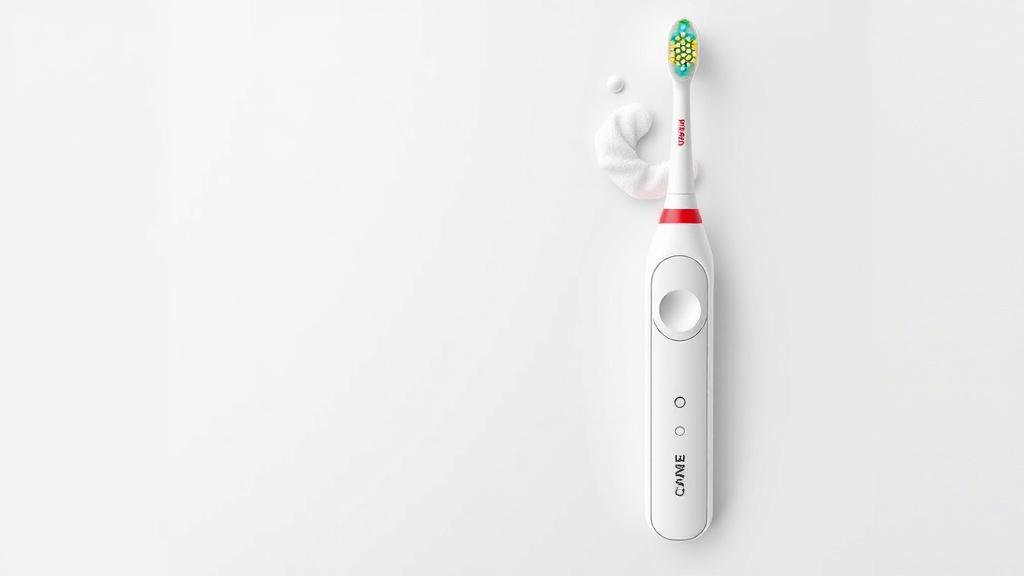
Keeping toothpaste on your electric toothbrush head might seem tricky, but it’s actually quite simple! You just need to use the right amount of paste and apply it correctly to the bristles. Most people find that a pea-sized amount is perfect.
It’s a common frustration when your toothpaste seems to slide right off your electric toothbrush. We’ve all been there, right? The good news is that with a few simple adjustments, you can ensure your toothpaste stays put during your brushing routine, leading to a more effective clean.
- Use a pea-sized amount of toothpaste.
- Apply it directly to the bristles.
- Avoid excess water on the brush head.
- Try angling the brush head slightly.
- Don’t press too hard when applying.
Let’s walk through exactly how to get your toothpaste to stick perfectly to your electric toothbrush head, so you can brush with confidence.
You’ve got your shiny new electric toothbrush, ready to tackle your dental hygiene. But then comes the toothpaste application, and it seems to have a mind of its own, sliding off before you even get to your mouth. It’s a common hitch that can feel… well, messy. But don’t worry! We’ve researched some simple tricks to help your toothpaste stay put.
Getting Your Toothpaste to Stick to Your Electric Brush
Let’s talk about the magic formula for keeping toothpaste on your electric toothbrush. It’s not about fancy techniques. It’s mostly about a little bit of science and a little bit of practice. Most people find the simplest methods work the best.
The Right Amount Matters
One of the biggest culprits behind toothpaste slippage is using too much. You might think more paste means more cleaning power, but that’s not always the case. In fact, too much paste can actually make it harder for it to adhere properly. We’ve found that aiming for a specific amount can make a world of difference.
The Pea-Sized Principle
You’ve likely heard the advice to use a pea-sized amount of toothpaste. This isn’t just a suggestion; it’s a well-researched guideline from dental professionals. A pea-sized dollop is typically enough to provide adequate fluoride and cleaning agents for effective brushing. Using more doesn’t necessarily enhance the cleaning process and can lead to the paste being flung off the brush head.
Many dental associations, like the American Dental Association (ADA), recommend this amount for adults and children over three years old. For children under three, an even smaller, rice-grain-sized amount is advised.
Why Less Can Be More
When you overload your brush head, the paste has nowhere to go but off. Think of it like trying to put too many marbles on a small tray. They’ll just roll off the sides. The electric toothbrush’s vibrations can then easily dislodge excess toothpaste before you even start brushing. So, sticking to that pea-sized amount is key to preventing a toothpaste avalanche.
Application Techniques: Finding Your Groove
How you apply the toothpaste can be just as important as how much you use. A few adjustments to your routine can stop that frustrating slide.
Direct Application is Best
The most effective way to apply toothpaste is directly onto the bristles of the toothbrush head. Avoid squeezing paste onto your finger first and then transferring it. This can create an uneven distribution and make it more prone to falling off.
Try squeezing the toothpaste tube directly over the brush head. Aim for the center of the bristles. This ensures a more concentrated and stable application. Some people even find it helpful to angle the brush head slightly towards the tube as they squeeze.
Consider the Angle and Pressure
When applying, don’t press too hard. A gentle squeeze is usually sufficient. If you’re pressing down hard, you might be distorting the bristles, creating little valleys where the toothpaste can’t grip well. Keep it gentle and focused.
Experiment with holding the brush head at a slight angle as you apply the paste. This can help the toothpaste nestle into the bristles more effectively, creating a more secure bond. It’s like making sure the edges of a sticker adhere well before you press the middle down.
The Role of Water: Friend or Foe?
Water is essential for brushing, but it can be a toothpaste’s worst enemy if not managed correctly. Have you ever noticed how toothpaste seems to dissolve faster when the brush is wet?
Damp, Not Drenched
It’s a common habit to rinse your toothbrush head under the tap before applying toothpaste. While this might seem like a good way to start fresh, a too-wet brush can dilute the toothpaste immediately. This makes it less viscous and more likely to slide off. You want your brush head to be damp, not soaking wet.
Try just a quick rinse, or even better, tap off any excess water after rinsing. Some people even skip rinsing the brush head before applying paste altogether, finding it helps the toothpaste adhere better.
When to Add Water
The best time to introduce water is usually after you’ve applied the toothpaste. A small amount of water helps to create a lather, which is essential for distributing the toothpaste effectively around your mouth. You can either wet your toothbrush slightly after applying the paste or simply use the saliva in your mouth to start the foaming action.
Toothpaste Types and Brush Heads: A Small Connection
While not the primary cause of toothpaste slippage, the type of toothpaste and the design of your brush head can play a minor role.
Toothpaste Consistency
Some toothpastes are formulated with different consistencies. Gels, for example, can sometimes be more slippery than pastes. If you find your toothpaste is consistently sliding off, you might try a different brand or type. We found that many people prefer traditional pastes over gels for better adhesion.
Look for pastes that have a good, creamy texture. If you’re using a gel and finding it problematic, consider switching to a paste. It’s a simple experiment that might solve your problem.
Brush Head Design
Electric toothbrush heads vary in their bristle density and pattern. Some designs might naturally hold toothpaste a bit better than others. However, sticking to the correct amount and application technique is usually more impactful than the brush head design itself.
Most standard electric toothbrush heads are designed to work well with typical toothpaste formulations. If you have a very unusually shaped or sparse bristle pattern, that might be a factor, but it’s rare. Most experts agree that proper application is the biggest factor.
Troubleshooting Common Issues
Sometimes, even with the best intentions, you might still run into a little trouble. Let’s look at how to fix those common annoyances.
The “Flying Toothpaste” Phenomenon
This is when the vibrations of the toothbrush head fling toothpaste off during the initial moments of brushing. It’s usually a sign of too much paste or too much water on the brush. Remember our advice: pea-sized and damp, not drenched.
You can also try placing the toothbrush head against your teeth before turning it on. This helps stabilize the paste. Once it’s against your teeth, then you can switch it on.
Toothpaste Rubbing Off Before Brushing
If your toothpaste seems to be rubbing off as you move the brush to your mouth, it might be because of excess moisture or too much paste. Again, ensure the brush is only damp. Also, try to be more direct in bringing the brush to your mouth. Minimize the travel time and any accidental bumps.
Your Toothpaste Adhesion Checklist
Here’s a quick recap to help you nail toothpaste application every time:
- Use only a pea-sized amount.
- Apply paste directly to the bristles.
- Ensure the brush head is damp, not soaked.
- Apply with a gentle squeeze, avoid pressing hard.
- Bring the brush to your mouth promptly after application.
- Consider turning the brush on after it’s against your teeth.
It might take a couple of tries to find the perfect rhythm for you. But by following these researched tips, you can say goodbye to slippery toothpaste and hello to a clean, confident brushing experience.
Conclusion
You’ve learned how simple it is to keep toothpaste on your electric toothbrush. It all comes down to using the right amount and applying it correctly. Remember the pea-sized principle and the importance of a damp, not drenched brush head. With these easy adjustments, you can avoid messy mishaps and ensure a more effective clean every time you brush.
Give these tips a try during your next brushing session. You’ll find it makes a noticeable difference in your routine and your smile!
Frequently Asked Questions
Why does my toothpaste keep sliding off my electric toothbrush?
This often happens if you’re using too much toothpaste, making the brush head overloaded. Excess water on the bristles can also dilute the paste, causing it to slide off easily. Try using just a pea-sized amount and ensuring your brush is only damp.
Is it okay to wet my electric toothbrush before putting toothpaste on it?
It’s best to use a damp, not soaking wet, brush head. A very wet brush will dilute the toothpaste immediately, making it less effective and more prone to slipping. A quick rinse and a good shake is usually enough.
Can the type of toothpaste affect how well it sticks to my brush?
Yes, the consistency of the toothpaste can play a role. Gels can sometimes be more slippery than traditional pastes. If you’re having trouble with slippage, you might consider trying a different brand or a more paste-like formulation.
Should I turn on my electric toothbrush before or after placing it in my mouth?
We found that placing the brush head against your teeth first, then turning it on, can help keep the toothpaste in place. This stabilizes the paste and prevents it from flying off due to the initial vibrations.
How much toothpaste should I actually be using?
The general recommendation from dental professionals is a pea-sized amount for adults and children over three years old. This amount provides enough cleaning power without being excessive, which helps it stick to the bristles.