How Long to Charge Electric Toothbrush for Best Results: A Complete Guide
If you’ve recently switched to an electric toothbrush or you’re thinking about making the leap, you’ve probably wondered about one thing: how long should you actually charge it? It seems like a simple question, but the answer isn’t always straightforward. Different models, battery types, and usage patterns all play a role in determining the ideal charging time for your electric toothbrush.
Let me be honest—I used to just plug mine in and hope for the best. Sometimes I’d leave it overnight, other times I’d grab it after just a few minutes. But then I realized that understanding the proper charging routine could actually extend my toothbrush’s lifespan and keep it performing at its peak. Today, I’m going to walk you through everything you need to know about charging your electric toothbrush correctly.
Understanding Your Electric Toothbrush Battery Type
Before we dive into specific charging times, we need to talk about what’s powering your toothbrush. Think of the battery as the heart of your device—it determines everything about how your toothbrush performs and how long it lasts.
Lithium-Ion Batteries: The Modern Standard
Most modern electric toothbrushes use lithium-ion batteries, and for good reason. These batteries are like the superheroes of the battery world. They hold a charge longer, don’t suffer from “memory effect” (where the battery gets tired if you repeatedly charge it partially), and they’re generally more reliable than older battery types.
If your toothbrush was made in the last five to ten years, it almost certainly uses a lithium-ion battery. This is actually great news for you because it means you have more flexibility with your charging habits.
Nickel-Metal Hydride Batteries: The Older Generation
Some older electric toothbrushes use nickel-metal hydride (NiMH) batteries. If your toothbrush has been around for a while, this might be what you’ve got. These batteries are less forgiving than their modern counterparts. They prefer to be fully drained before charging and can develop memory problems if you don’t treat them right.
Why Battery Type Matters for Charging
The type of battery in your toothbrush fundamentally changes how you should approach charging. It’s not just about plugging it in for a random amount of time. Understanding your battery type helps you make informed decisions that’ll keep your toothbrush running smoothly for years to come.
Standard Charging Time for Most Electric Toothbrushes
So what’s the magic number? For most modern electric toothbrushes, the standard charging time falls between 12 to 24 hours. I know that’s a pretty wide range, and it can feel frustrating when you’re looking for a precise answer. But here’s why it varies:
The 12-Hour Sweet Spot
Many leading brands recommend charging your electric toothbrush for about 12 hours. This timeframe is perfect for lithium-ion batteries because it allows them to reach full capacity without overcharging. Think of it like feeding yourself—you want enough food to feel satisfied, but you don’t want to stuff yourself to the point of discomfort.
If you charge your toothbrush for 12 hours, you’re hitting that balance where the battery gets fully charged without being stressed. Most people find that charging overnight (which typically lasts around 8 to 10 hours) followed by a few more hours during the day works perfectly.
The 24-Hour Rule and When to Use It
Some manufacturers suggest charging for up to 24 hours, especially for the initial charge when you first get your toothbrush. This extended first charge helps the battery reach its optimal capacity. It’s like breaking in a new pair of shoes—that first long charge helps calibrate the battery and sets it up for success.
After that initial 24-hour charge, you can typically drop down to 12 hours for regular maintenance charging. This pattern has worked wonderfully for me and countless other electric toothbrush users.
First Charge vs. Regular Maintenance Charging
Here’s something many people don’t realize: your first charge and your regular charges might need different approaches. It’s one of those situations where the rules change slightly, but for good reason.
The Critical First Charge
When you unbox a brand-new electric toothbrush, it’s not starting from a completely dead battery. Manufacturers typically ship them with a partial charge to ensure they work. However, to really get the best performance, you should give it a full 24-hour charge right out of the box.
This first charge is crucial because it helps the battery management system calibrate properly. Modern lithium-ion batteries are intelligent—they have built-in systems that learn and adapt. That first long charge teaches your battery to perform at its best.
Settling Into a Routine
After that first charge, you can breathe easier. Daily charging doesn’t need to be 24 hours. Most electric toothbrush batteries can go about 5 to 7 days on a single full charge if you use them twice daily for the standard two minutes. This means you don’t need to charge it every single night.
I typically charge mine once or twice a week, depending on my usage. It’s not something I stress about anymore because I know the battery is reliable.
How Often Should You Actually Charge Your Toothbrush?
This is where things get interesting, and honestly, it depends on your specific model and how often you use it.
Reading Your Battery Indicator Lights
Most modern electric toothbrushes have indicator lights that tell you when the battery is running low. These lights are your friends. Instead of charging on a fixed schedule, pay attention to these signals. When you see the red light blinking, that’s your cue to charge it.
By following this approach, you’re letting the battery tell you what it needs rather than guessing. It’s much more intuitive and actually better for the battery’s longevity.
Understanding Battery Life Expectations
A typical electric toothbrush battery, when properly maintained, can handle about 1000 charge cycles before it starts to degrade noticeably. That’s roughly three to five years of regular use. Pretty impressive, right?
If you want to maximize this lifespan, try not to let the battery completely die too frequently. It’s also wise to avoid leaving it plugged in indefinitely once it’s fully charged.
Overcharging: Is It Really a Concern?
Let me address the elephant in the room. Most people worry about overcharging their electric toothbrush, and I get it—we’ve all heard horror stories about batteries that died because someone left them plugged in too long.
How Modern Toothbrushes Prevent Overcharging
Here’s the reassuring news: modern electric toothbrushes have smart charging circuits built into them. Once the battery reaches full capacity, the charger automatically stops delivering power or switches to a trickle charge. It’s like having a responsible friend who stops pouring your drink once the glass is full.
This means you can safely leave your toothbrush on the charger overnight without worrying about damage. The system is designed to protect itself.
The Exception: Older Models
If you have an older electric toothbrush without smart charging technology, you might want to be more cautious. These models are more vulnerable to overcharging, so it’s better to unplug them once they’re charged.
Temperature Matters More Than You Think
Here’s something that doesn’t get discussed enough: the temperature around your toothbrush affects charging efficiency and battery health.
The Ideal Charging Environment
Lithium-ion batteries prefer moderate temperatures—think of them like Goldilocks. They like it not too hot and not too cold. The ideal charging temperature is between 15°C to 35°C (59°F to 95°F). If you’re charging your toothbrush in an extremely hot bathroom or a freezing cold garage, you’re not doing it any favors.
Avoiding Bathroom Steam and Moisture
Your bathroom is probably where you use your toothbrush, but it’s not necessarily the best place to charge it. The constant steam and humidity can stress the battery and the charging contacts. If possible, charge your toothbrush in a cooler, drier location away from the sink.
Charging Time by Popular Toothbrush Brands
Different manufacturers have different recommendations, and it’s worth knowing what your specific brand suggests.
Oral-B Recommendations
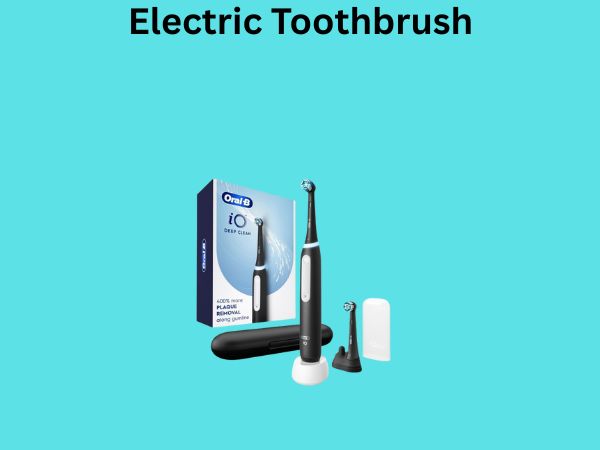
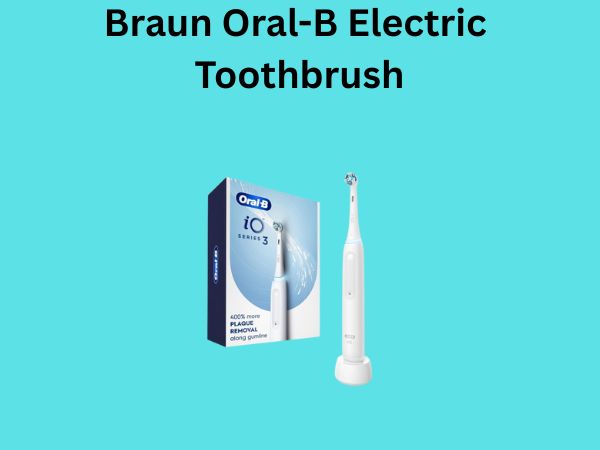
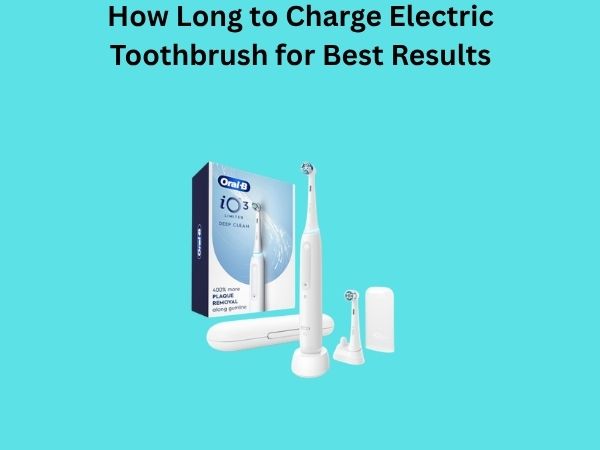
Oral-B, one of the leading brands, typically recommends charging their toothbrushes for about 22 hours for the initial charge, then 12 hours for regular charging. They’re pretty specific about this, so it’s worth following their guidance if you own one of their models.
Sonicare Standards
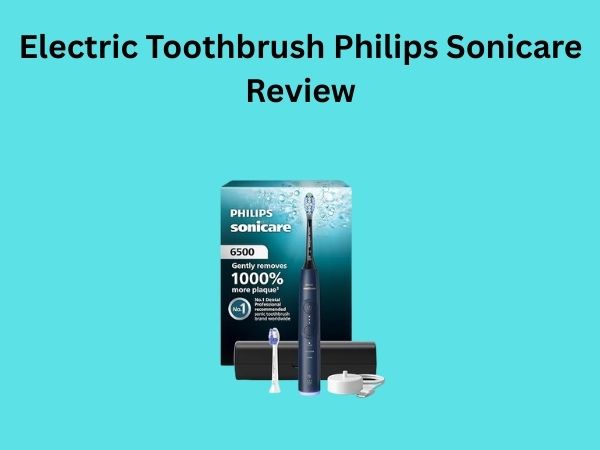
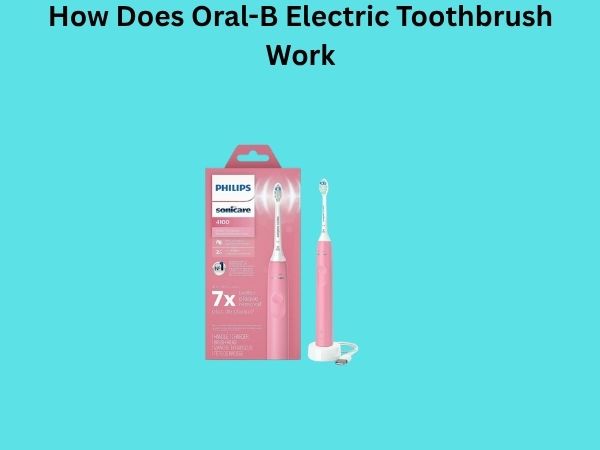
Philips Sonicare suggests charging for 24 hours before the first use, then maintaining regular charges as needed. Their toothbrushes generally last up to three weeks on a single charge with normal use.
Other Quality Brands
Waterpik, Fairywill, and other brands typically fall into the 12 to 24-hour charging window. Always check your specific model’s instruction manual—it’s the most reliable source of information for your particular toothbrush.
What Happens If You Undercharge Your Toothbrush?
We talk a lot about overcharging, but undercharging is equally important to understand.
The Performance Impact
If you only give your toothbrush a quick 30-minute charge before rushing out the door, you might not be letting the battery reach its full potential. The vibrations might feel less powerful, the cleaning might not be as effective, and you might find yourself needing to charge it again sooner than expected.
Building a Sustainable Charging Habit
The key is consistency. Whether you charge once a week or twice a week, stick to a pattern that ensures your battery gets properly charged. I’ve found that charging my toothbrush every Sunday night works perfectly for my routine.
Travel Tips: Charging Your Toothbrush Away From Home
If you’re a frequent traveler, you’ve probably wondered how to keep your electric toothbrush charged while on the go.
Portable Charging Solutions
Many modern electric toothbrushes are designed to travel well. Their chargers are compact, and the batteries hold enough charge for trips lasting up to a week or more. Before traveling, give your toothbrush a full charge of 12 hours to ensure maximum battery life.
Using Different Outlet Types
If you’re traveling internationally, you might encounter different outlet types. Invest in a universal adapter that’s compatible with your toothbrush charger. This ensures you can charge safely no matter where you are in the world.
When to Avoid Charging While Traveling
Unless absolutely necessary, try not to charge your toothbrush in unfamiliar locations with unstable electrical systems. Voltage fluctuations can damage the battery over time. If you must charge in such conditions, use a surge protector.
Signs Your Toothbrush Battery Needs Attention
Your toothbrush will give you signals when something’s not right with its battery. Learn to recognize these warning signs.
Decreased Vibration Intensity
If your toothbrush’s vibrations have become noticeably weaker even after a full charge, the battery might be degrading. This is one of the first signs that your battery isn’t holding a charge as well as it used to.
Shorter Battery Life Between Charges
When you’re finding yourself charging your toothbrush every single day despite it previously lasting a week, that’s a red flag. The battery is losing its capacity to hold charge.
Charging Port Issues
If your toothbrush isn’t charging properly even after extended charge times, the problem might be with the charging contacts. Sometimes, cleaning them with a dry cloth can help restore the connection.
Best Practices for Long-Term Battery Health
Think of battery maintenance like dental health itself—prevention is better than cure.
- Charge your toothbrush regularly, even if you’re not using it daily
- Avoid exposing the toothbrush to extreme temperatures
- Keep the charging contacts clean and dry
- Don’t leave the toothbrush uncharged for extended periods
- Use the original charger whenever possible
- Avoid dropping or physically damaging the toothbrush
- Store your toothbrush in a cool, dry place when not in use
Troubleshooting Common Charging Problems
Sometimes things don’t go according to plan. Here’s how to handle the most common charging issues.
Toothbrush Won’t Hold a Charge
If you’ve charged your toothbrush for the recommended time and it still dies quickly, try doing a reset. Some models have a reset function that you can trigger by holding a button for a specific amount of time. Check your manual for instructions.
Charger Not Making Connection
The charging contacts on both the toothbrush and charger can accumulate residue from toothpaste, water droplets, or mineral buildup. Gently clean them with a dry cloth. Sometimes this simple action solves everything.
Battery Swelling or Overheating
This is serious and rare, but if your toothbrush feels hot while charging or the battery appears swollen, stop using it immediately. This indicates a potential battery failure, and you should contact the manufacturer or consider replacing the toothbrush.
Replacing Your Electric Toothbrush Battery
Eventually, all batteries age. If your toothbrush is otherwise in good condition but the battery has degraded, you have options.
DIY Battery Replacement
Some toothbrush models allow you to replace the battery yourself. You can often find replacement batteries online that are compatible with your specific model. If you’re handy and willing to open up your toothbrush, this is a cost-effective solution.
Professional Replacement Services
Many manufacturers offer battery replacement services. You send in your toothbrush, and they replace the battery for you. It costs less than buying a new toothbrush but more than doing it yourself.
Knowing When to Replace the Entire Toothbrush
If your toothbrush is several years old and the battery is failing, it might be time to invest in a new one. Technology has improved significantly, and a new toothbrush might offer better cleaning, longer battery life, and smarter features.
Conclusion
Charging your electric toothbrush properly is simpler than you might think, but it does require a basic understanding of your device and its battery. The standard charging time of 12 to 24