Air Flosser vs Water Flosser: Which is Best for Your Smile
When choosing between an air flosser and a water flosser, both offer great ways to clean between your teeth. However, water flossers are generally more effective for removing plaque and reducing gum bleeding. Air flossers are a good option for those who find traditional flossing difficult.
You might be wondering which one is right for your smile. Both devices use a stream of air or water to clean. Many dental professionals agree that a water flosser provides a deeper clean. It’s often recommended for people with braces or other dental work.
- Water flossers are typically better at plaque removal.
- Air flossers are simpler to use for some people.
- Both help improve gum health over traditional floss.
- Consider your dental needs and comfort level.
Let’s dive into the differences between these two popular oral hygiene tools and help you decide which one will make your teeth sparkle.
Air Flosser vs. Water Flosser: Understanding Your Cleaning Options
Deciding between an air flosser and a water flosser can feel a bit overwhelming. Both gadgets promise to make cleaning between your teeth easier. But which one actually does a better job? We’ve looked into it, and the general consensus among dental professionals is that water flossers tend to be more effective at removing plaque and improving gum health.
Think of it this way: water is a powerful cleaner. It can flush away debris more thoroughly than a puff of air. However, air flossers have their own unique advantages, especially if you find traditional flossing a bit tricky or uncomfortable.
How They Work: The Science Behind the Stream
Before you choose, let’s break down how each device actually cleans your teeth. Understanding the mechanics can help you see why one might be a better fit for your daily routine.
Water Flossers: A Powerful Jet of Cleanliness
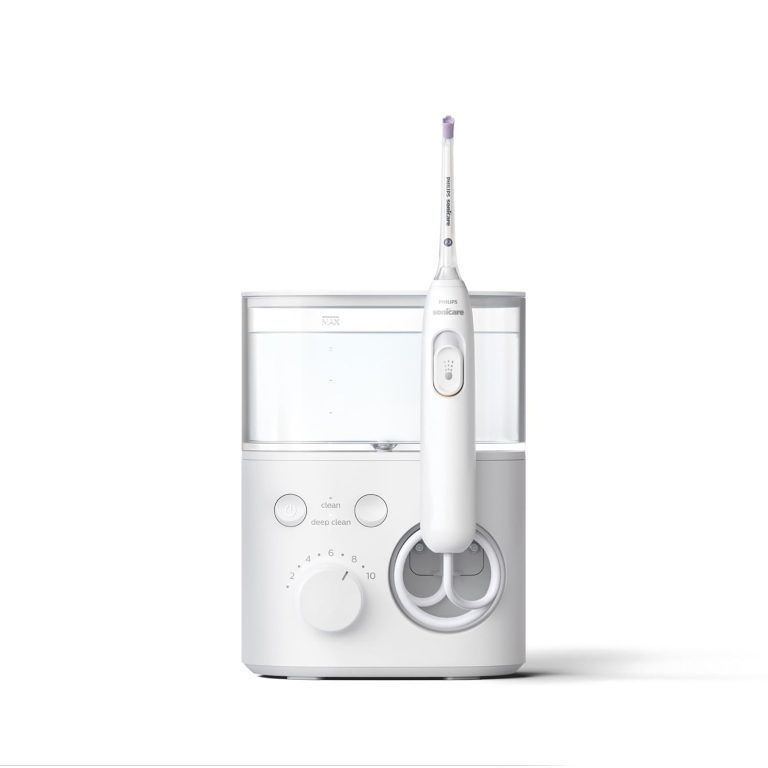
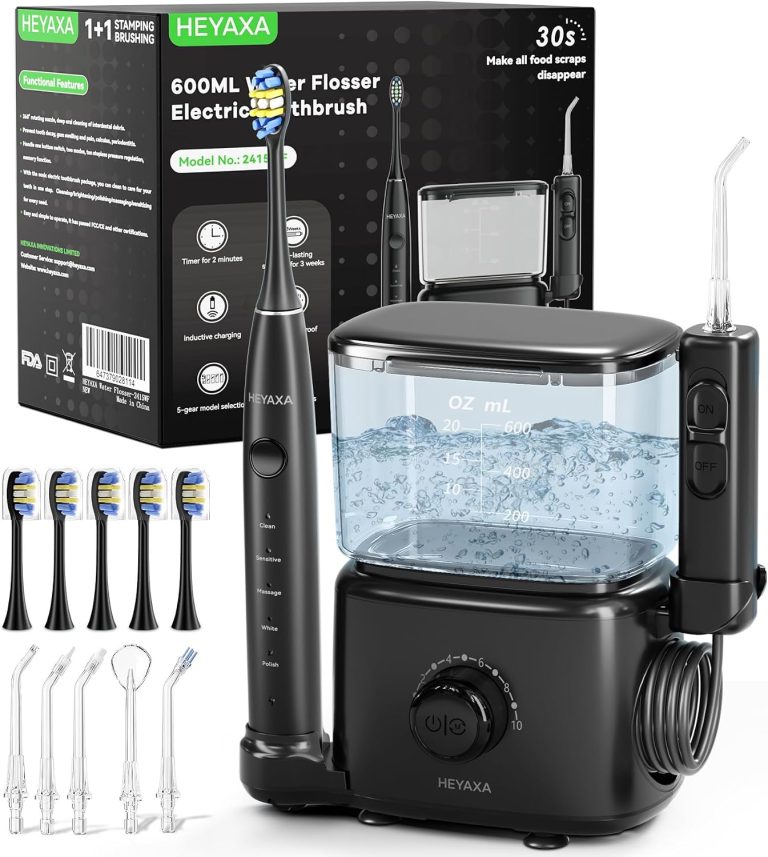
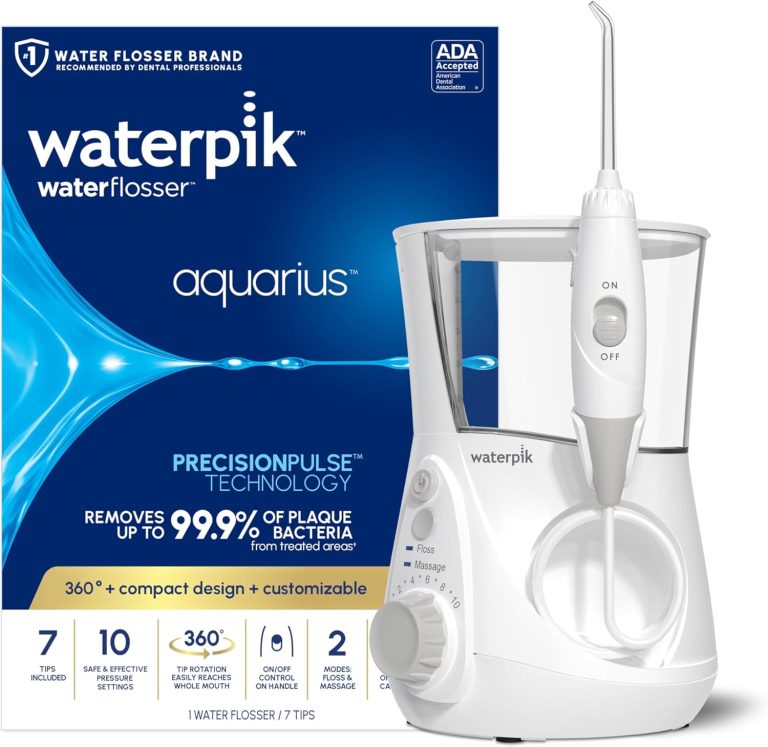
A water flosser uses a pressurized stream of water to clean. You fill a reservoir with water, choose a tip, and then direct the stream between your teeth and along your gum line. This pulsating water is excellent at dislodging food particles and plaque.
Many dentists recommend water flossers, especially for people with braces, bridges, implants, or crowns. The stream can get into nooks and crannies that traditional floss might miss. Research has shown water flossers can significantly reduce gingivitis and bleeding gums (NCBI).
Key Features of Water Flossers
- Adjustable Pressure Settings: You can usually control how strong the water stream is.
- Variety of Tips: Different tips are designed for specific needs, like orthodontic care or deep cleaning.
- Reservoir: You’ll need to refill the water tank periodically.
Air Flossers: A Gentle Blast of Air
An air flosser, on the other hand, uses a combination of air and micro-droplets of water (or sometimes just air). It shoots out quick bursts. These bursts help to nudge food particles and plaque away from your teeth.
Think of it like a tiny, targeted air compressor for your mouth. It’s often simpler to use than a water flosser for some people. The sensation can feel less intense than a strong jet of water. Some studies suggest air flossers can improve gum health, though plaque removal might not be as thorough as with water flossers (Cleveland Clinic).
Key Features of Air Flossers
- Simplicity: Often very straightforward to operate.
- Portability: Many are smaller and easier to travel with.
- Less Mess: Can be less splashy than water flossers.
Effectiveness: Plaque Removal and Gum Health
When it comes to getting rid of plaque, most studies lean in favor of water flossers. Plaque is that sticky film of bacteria that can lead to cavities and gum disease. Water’s ability to rinse and blast away this buildup is hard to beat.
We found that water flossers are often the go-to recommendation for significant plaque removal. They can reach deeper into periodontal pockets, areas where plaque loves to hide. This can lead to a noticeable reduction in bleeding gums.
Air flossers can help. They are good at removing loose food particles. They can also reduce gingivitis. However, for deeply embedded plaque, they may not be quite as effective as water flossers. It’s like trying to dust a shelf with a feather duster versus a vacuum cleaner – both do something, but the vacuum is more powerful for deep cleaning.
Ease of Use: Who Finds What Easier?
This is where personal preference really comes into play. Some people find maneuvering a water flosser with its hose and reservoir a bit cumbersome. The aiming can take practice.
On the flip side, many users report that air flossers are incredibly easy to use. You just point and shoot the air bursts. There’s less chance of accidental water spills, and the learning curve is often very gentle. If you struggle with the dexterity needed for traditional floss or find water flossers a bit much, an air flosser might be your new best friend.
Who Benefits Most? Tailoring to Your Dental Needs
Your specific oral health situation is a big factor in choosing the right tool. Let’s look at some common scenarios.
For Those with Dental Work (Braces, Implants, Bridges)
If you have braces, bridges, crowns, or dental implants, a water flosser is often highly recommended. Cleaning around these devices can be challenging. The water stream can effectively clean the areas where food gets trapped, areas that are difficult to reach with string floss or even an air flosser.
For Gum Sensitivity and Gingivitis
Both devices can help improve gum health. However, water flossers, with their ability to flush out bacteria and stimulate gums, often show more dramatic improvements in reducing gingivitis and bleeding gums. If you have particularly sensitive gums, you might start with a lower pressure setting on a water flosser or consider the gentler action of an air flosser.
For General Maintenance and Simplicity
If your goal is simple maintenance and you find traditional flossing a chore, either device can be a step up. An air flosser might offer a quicker, more streamlined experience. A water flosser offers a deeper clean if you have the time and inclination.
Cost and Maintenance: What to Expect
Generally, both air and water flossers require an initial investment. Water flossers can range from $30 to $100 or more, depending on features and brand. Air flossers are often in a similar price range, sometimes a bit less for basic models.
Maintenance is usually straightforward. You’ll need to keep the water reservoir clean for a water flosser. For both, you’ll need to replace the tips periodically. Batteries or charging will also be part of the routine for cordless models.
Making Your Choice: A Quick Checklist
To help you decide, ask yourself these questions:
- Do I have braces, bridges, or implants?
- Is deep plaque removal my main concern?
- Do I find traditional flossing difficult?
- Am I looking for the simplest possible routine?
- How sensitive are my gums?
- How much space do I have for another device?
We found that considering these points can really help narrow down your options. Ultimately, the best flosser is the one you’ll use consistently every day.
| Feature | Air Flosser | Water Flosser |
|---|---|---|
| Cleaning Method | Air bursts with water micro-droplets | Pressurized water stream |
| Plaque Removal | Good for loose particles, moderate plaque | Excellent plaque removal |
| Ease of Use | Often very simple and quick | Can have a learning curve, potential for mess |
| Ideal For | Simplicity seekers, those who dislike water flossing | Braces, implants, deep cleaning, gum health focus |
| Gum Stimulation | Mild | Moderate to strong |
Conclusion
You’ve learned about the key differences between air flossers and water flossers. While both can improve your oral hygiene, water flossers generally offer a superior clean, especially for removing plaque and tackling issues like gingivitis. Air flossers shine when it comes to simplicity and ease of use, making them a great choice if you find other methods challenging.
Consider your dental needs and personal preferences. If you have braces or implants, a water flosser is likely your best bet. For a gentler, quicker clean, an air flosser might be perfect. Ultimately, the best flosser is the one you’ll use consistently. Schedule a chat with your dentist to get a personalized recommendation for your smile.
Frequently Asked Questions
Can I use mouthwash in my water flosser instead of water?
Some water flossers allow you to mix a small amount of mouthwash with water. Always check your device’s manual first. Using too much or the wrong type of mouthwash could damage the unit. It’s generally best to stick to water for regular use.
Are air flossers as effective as regular flossing?
Air flossers are effective at removing loose food particles and reducing gingivitis. However, research suggests they may not be as thorough as traditional floss or water flossers at removing sticky plaque buildup. They are a good option if you struggle with traditional flossing.
How often should I replace the tips on my air or water flosser?
Most manufacturers recommend replacing flosser tips every 3 to 6 months. Over time, tips can wear down, becoming less effective. Inspect your tip regularly for any signs of damage or wear and replace it sooner if needed.
Which is better for sensitive gums: air or water flosser?
Both can be suitable for sensitive gums, but it depends on the device and settings. Water flossers often have adjustable pressure settings, allowing you to start low. Air flossers typically offer a gentler sensation for some users. It’s best to try a lower setting on a water flosser first or consult your dentist.
Can I share an air flosser or water flosser with someone else?
While you can share the main unit, it is strongly recommended that each person uses their own personal flosser tip. This is for hygiene reasons to prevent the spread of bacteria. Tips are inexpensive and ensure a clean, personal experience for everyone.