Water Flosser vs Traditional Floss: Which is Better
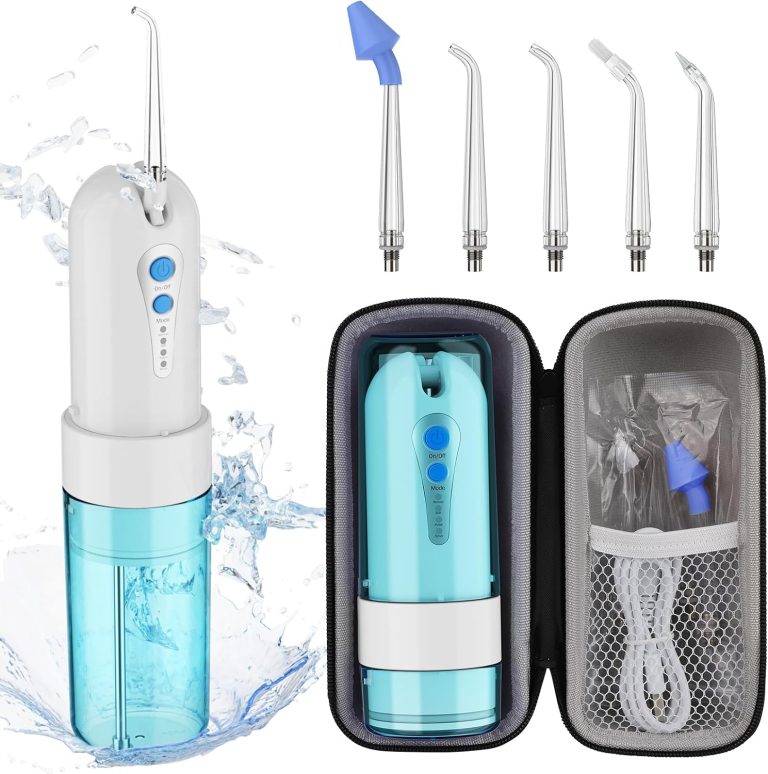
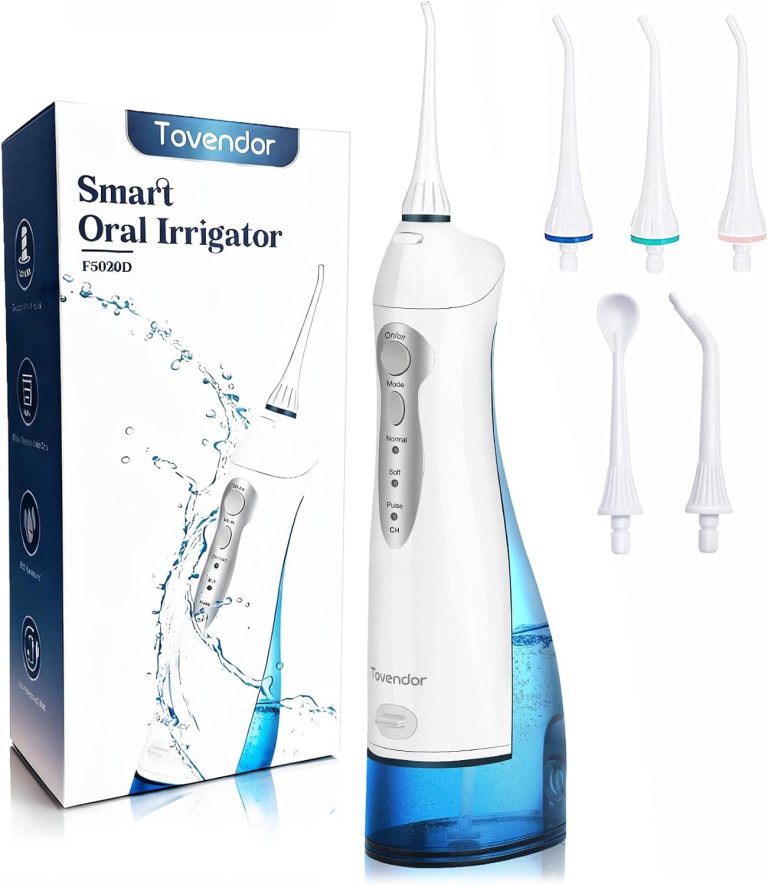
Yes, water flossers can be as good as traditional floss, and sometimes even better for certain needs. Many studies have found that water flossers can remove plaque and reduce gum inflammation effectively. If you struggle with traditional floss or have braces, a water flosser might be your new best friend.
When it comes to maintaining healthy gums, both methods aim to clean those hard-to-reach spots. We found that water flossers are especially helpful for people with dental work, like bridges or implants. They offer a gentle yet thorough cleaning experience that many users prefer.
- Water flossers are effective at removing plaque.
- They can be better for people with braces or dental work.
- Traditional floss is still a solid choice for many.
- Both methods contribute to healthy gums.
Let’s break down how water flossers stack up against traditional floss and help you decide which is right for your daily routine.
Conclusion
So, can water flossers replace traditional floss? For many, the answer is a resounding yes! Research shows they’re excellent at clearing plaque and calming inflamed gums. If you find string floss tricky, especially with braces or implants, a water flosser offers a gentle, effective alternative. Remember, consistency is key to great oral hygiene. Consider your personal comfort and dental needs when making your choice. To find the best fit for you, talk to your dentist about which method best supports your unique smile.
Frequently Asked Questions
Can I use a water flosser instead of brushing my teeth?
No, a water flosser is not a replacement for brushing. You should still brush your teeth twice a day. Water flossing cleans between your teeth and along the gumline where brushing can’t reach. Think of it as a vital addition to your oral care routine, not a substitute for brushing.
How often should I water floss?
It’s generally recommended to water floss at least once a day. Like traditional flossing, doing it daily helps prevent plaque buildup and gum disease. Many people find it works best after brushing their teeth to remove any remaining debris.
Is water flossing messy?
It can take a little practice to get used to water flossing without making a mess. Start with the lowest setting and aim the water stream directly at your gumline. Over time, you’ll find it becomes easier to control the water and keep it contained. Some find leaning over the sink helps.
Do dentists recommend water flossers?
Many dentists recommend water flossers, especially for patients who have trouble using traditional floss. This includes people with braces, bridges, crowns, or implants. They’ve found water flossers can be very effective at improving gum health when used correctly.
Are water flossers safe for sensitive gums?
Yes, water flossers can be a great option for people with sensitive gums. They offer a gentler cleaning action compared to string floss, which can sometimes cause irritation. You can often adjust the pressure settings on water flossers to find a comfortable level.