Water Flosser vs. Dental Floss: Which is Better for Your Teeth
Are water flossers as good as dental floss? Yes, in many ways, water flossers can be just as effective as traditional dental floss for cleaning between your teeth. Research and dental professionals often find that they do a great job removing plaque and food particles, especially for those who find string floss tricky.
While both methods aim to clean those hard-to-reach spots, water flossers use a stream of water to flush away debris. This can be a game-changer for people with braces, bridges, or implants. Many find they get a thorough clean feeling with water flossing.
- Water flossers can be as effective as string floss.
- They excel at removing plaque and food particles.
- Great for people with dental work like braces.
- May offer a more comfortable cleaning experience.
- Both methods are vital for good oral hygiene.
Let’s dive into how water flossers stack up against the classic string floss, so you can pick the best tool for your smile.
Comparing Water Flossers vs. Traditional Floss
You might be wondering if a water flosser can really replace your trusty string floss. The short answer is yes, often it can, and sometimes it’s even better! Many dental professionals agree that water flossers are highly effective at cleaning your teeth and gums. They use a pressurized stream of water to blast away food particles and plaque. This can be a real win for your oral health.
How Water Flossers Work
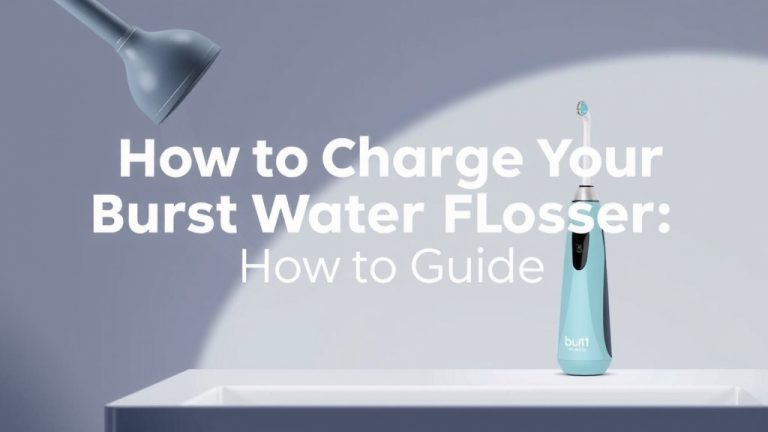
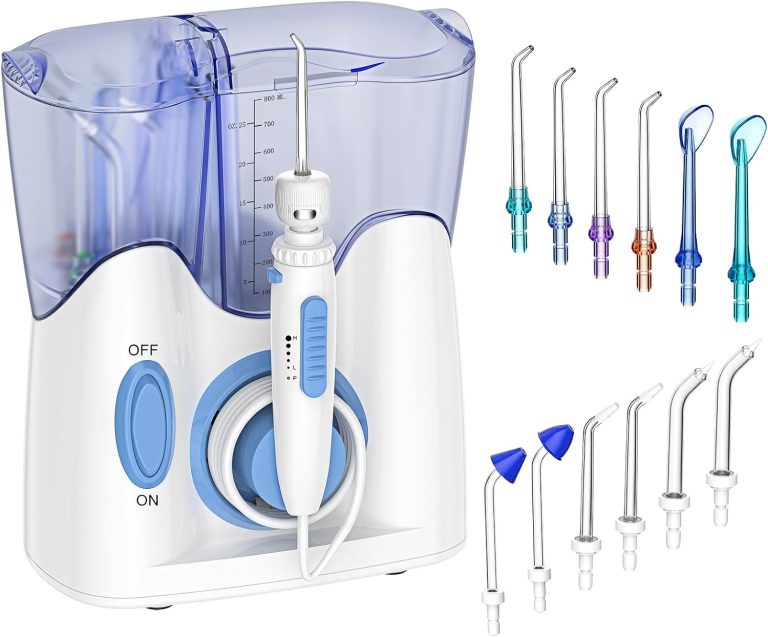
Think of a water flosser like a tiny, targeted pressure washer for your mouth. You fill a reservoir with water, place the tip near your gumline, and press a button. A jet of water shoots out, rinsing away debris from between your teeth and along your gums. It’s a fairly straightforward process, and many users find it much easier than maneuvering string floss.
The Science Behind the Clean
Research has looked into how well water flossers actually clean. Studies have found that water flossers can be just as effective as string floss at reducing gingivitis and removing plaque. For example, one review published in the Journal of Clinical Dentistry noted that water flossers significantly reduced bleeding and gingival inflammation. This suggests they offer a comparable, and in some cases superior, clean (NCBI).
Who Benefits Most from Water Flossers?
While anyone can benefit from cleaner teeth, certain groups find water flossers particularly helpful. If you have braces, bridges, crowns, or dental implants, you know how tough it is to get string floss around them. Water flossers can reach areas that are difficult or even impossible with traditional floss. They gently clean around brackets and wires without snagging.
People with Braces
Braces present a unique cleaning challenge. Food particles love to hide in all those nooks and crannies. Water flossers can easily flush them out, making it easier to maintain good hygiene while your teeth are being straightened. You’ll find your mouth feels much fresher.
Individuals with Dental Work
Implants, bridges, and dentures can also create traps for plaque and food. A water flosser can provide a thorough clean around these restorations, helping to prevent gum disease and decay. It’s about making sure every surface gets attention.
Those with Limited Dexterity
Some people struggle with the finger dexterity required for string flossing. Arthritis or other mobility issues can make it a painful chore. Water flossers offer a simpler, less demanding method. You hold the device and guide the tip, which requires less fine motor skill.
Comparing Effectiveness: Plaque and Food Removal
Both water flossers and string floss aim to remove plaque and food debris. Traditional floss works by physically scraping these elements away. Water flossers use the force of water to dislodge and rinse them. Many dental professionals find that both methods are excellent when used correctly. However, the ease of use with water flossers can lead to more consistent daily cleaning for some individuals.
Comfort and User Experience
Let’s talk about how they feel. For some, string floss can be uncomfortable. It might irritate the gums or even cut them if done too aggressively. Water flossers are often described as a gentler, more soothing experience. The pulsing water can also feel like a mini gum massage, which many people enjoy.
The Consistency Factor
Perhaps the biggest advantage of water flossers is consistency. Because they are generally easier and quicker to use, people are more likely to floss every day. When you don’t have to fight with the string, you’re more motivated. This regular cleaning is key to preventing cavities and gum disease.
| Feature | Water Flosser | Traditional Floss |
|---|---|---|
| Plaque Removal | Excellent | Excellent |
| Food Debris Removal | Excellent | Excellent |
| Ease of Use (Braces/Implants) | Superior | Challenging |
| Gum Sensitivity | Generally Gentle | Can be Irritating |
| Dexterity Required | Low | High |
Making the Choice for Your Smile
So, are water flossers as good as dental floss? Yes, they can be. It really comes down to what works best for you and your daily routine. If you struggle with string floss or have dental work, a water flosser might be your new best friend. If you’re already a diligent string flosser, stick with what you know works.
Many dentists recommend incorporating one of these cleaning methods into your daily routine. Oral hygiene guidelines consistently stress the importance of cleaning between teeth (CDC). Whether you choose water or string, the goal is to keep those interdental spaces clean.
Your Daily Oral Care Checklist
- Brush your teeth twice a day.
- Floss (or water floss) between your teeth daily.
- Use an antimicrobial mouthwash if recommended.
- Visit your dentist regularly for check-ups.
- Replace your toothbrush every 3-4 months.
- Drink plenty of water throughout the day.
Conclusion
So, are water flossers as good as dental floss? The research and user experiences show a clear answer: yes, they can be just as effective. Water flossers offer a fantastic alternative, especially if you struggle with traditional string floss or have dental work like braces and implants. They excel at removing plaque and food debris, often with a more comfortable experience. Ultimately, the best flosser for you is the one you’ll use consistently every single day. Make it a priority to clean between your teeth.
Your next step is to choose the method that fits your lifestyle. Talk to your dentist about which option might be best for your specific oral health needs.
Frequently Asked Questions
Can I completely replace string floss with a water flosser?
For most people, yes. Research and dental professionals agree that water flossers are highly effective at cleaning between teeth and along the gumline, comparable to string floss. If you find string floss difficult or uncomfortable, a water flosser is an excellent alternative for maintaining oral hygiene.
Do water flossers actually remove plaque as well as string floss?
Yes, studies have shown that water flossers are effective at removing plaque. They use a strong stream of water to dislodge food particles and plaque biofilm. While traditional floss physically scrapes plaque away, water flossers flush it out, achieving similar results for plaque reduction and gum health.
Are water flossers safe for people with sensitive gums?
Water flossers can be a gentler option for those with sensitive gums. The pulsating water stream can be less abrasive than string floss, which might sometimes cause irritation or bleeding. You can often adjust the pressure settings on a water flosser for a more comfortable cleaning experience.
How often should I use a water flosser?
You should use a water flosser at least once a day, just like you would with traditional floss. Consistency is key for removing plaque and food particles that can lead to cavities and gum disease. Making it a daily habit ensures your teeth and gums stay healthy between dental visits.
What’s the difference in cleaning effectiveness for someone with braces?
Water flossers are often superior for cleaning around braces. The water jet can easily reach under wires and around brackets where string floss struggles to navigate. This makes it much easier to remove trapped food particles and plaque, which is essential for preventing gum inflammation and tooth decay while wearing braces.