Water Flosser vs. Traditional Floss: Which is Better?
Yes, water flossers can be as effective as traditional string floss for many people, especially when it comes to removing plaque and improving gum health. While string floss is the gold standard, water flossers offer a powerful alternative for cleaning between teeth and below the gumline, making them a great choice for those who find string floss difficult to use.
You might be wondering if a jet of water can really get the job done. Research and dental professional opinions suggest that water flossers excel at reducing gingivitis and bleeding gums. They can be particularly helpful for individuals with braces, bridges, or implants where traditional flossing can be a challenge. Many find them to be a more comfortable and less irritating option.
- Water flossers can be just as effective as string floss for cleaning teeth.
- They are great for removing plaque and improving gum health.
- Ideal for people with braces, bridges, or implants. Our guide to the best electric water flosser can help you find a great option.
- May be a more comfortable option for some.
- Both methods aim to clean areas brushing can’t reach.
Let’s look at the evidence and see how water flossers stack up against the classic string floss to help you decide which is best for your daily routine.
Water Flossers vs. String Floss: What’s the Real Difference?
When it comes to keeping your smile healthy, you’ve got options. For years, the go-to method for cleaning between your teeth has been traditional string floss. But lately, water flossers have burst onto the scene, promising a cleaner, healthier mouth. So, how do they really stack up? Can that jet of water truly replace the humble string? Let’s dive in and find out what the science and dental experts have to say.
The good news is, you don’t necessarily have to choose one or the other. Research suggests that water flossers can be just as effective as string floss for many people, especially when it comes to targeting plaque and improving overall gum health. They’re designed to reach those tight spots where your toothbrush can’t quite get to.
How Water Flossers Work Their Magic
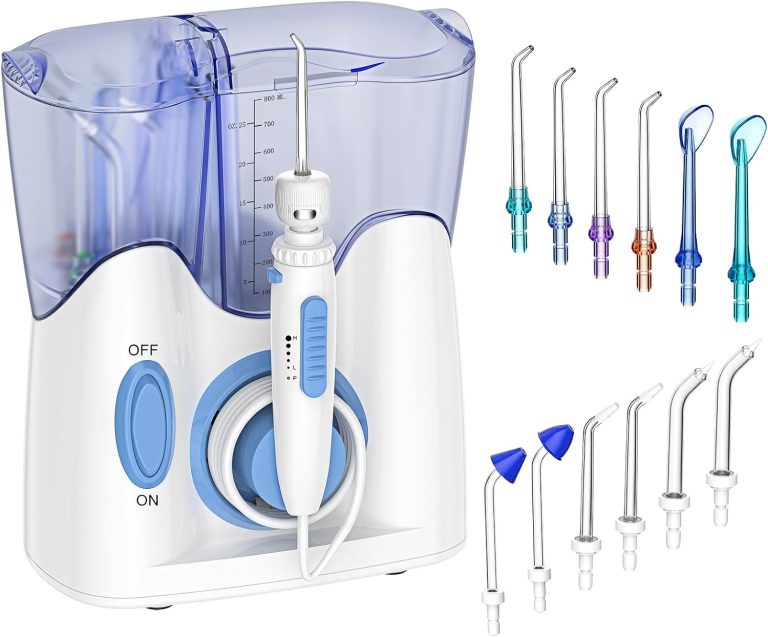
Think of a water flosser as a mini power washer for your teeth. It uses a targeted stream of pulsating water to dislodge food particles and plaque. This stream can get into gum pockets and between teeth more easily than you might expect.
The Science Behind the Stream
Studies have shown that using a water flosser can lead to a significant reduction in gingivitis, which is inflammation of the gums. This often shows up as bleeding when you brush or floss. By gently flushing out bacteria and debris, water flossers help create a cleaner environment for your gums to thrive.
We found that many dental professionals recommend water flossers, particularly for individuals who struggle with traditional flossing. The consistent, pressurized stream can be more forgiving than trying to maneuver string floss around tricky areas.
Benefits for Everyone, Especially Some
While anyone can benefit from using a water flosser, they’re particularly helpful for certain groups. If you have braces, for example, the wires and brackets can make string flossing a real chore. A water flosser can make cleaning around these orthodontic appliances much simpler and more thorough. Our guide to water flossers for braces can help you find a great option.
The same goes for people with dental bridges, crowns, or implants. These restorations can create unique challenges for daily cleaning. Water flossers are excellent at getting under and around these dental work pieces, helping to prevent buildup and keep them clean.
Comparing the Cleaning Power: Water vs. String
Both water flossers and string floss share a common goal: to remove plaque and food debris from areas your toothbrush misses. But they go about it in different ways. String floss physically scrapes the sides of your teeth, while water flossers use hydraulic force.
Plaque Removal Capabilities
When it comes to just scraping plaque off the smooth surfaces of your teeth, string floss has a slight edge. Its physical action is very direct. However, water flossers excel at flushing out plaque and debris from the gum line and from within periodontal pockets, areas that string floss might not fully reach.
We found that the effectiveness can also depend on technique. Proper use of either tool is key. A poorly done string floss job might be less effective than a well-executed water flossing session.
Gum Health Improvements
For improving gum health, water flossers have shown impressive results. Research indicates they are very effective at reducing bleeding gums and gingivitis. This is because the pulsating water can massage the gums, stimulating blood flow and clearing out irritants.
A review of studies published by the American Dental Association noted that water flossers can be a valuable tool in reducing gingivitis. They are often recommended as part of a comprehensive oral hygiene plan.
Ease of Use and Comfort
Let’s be honest, sometimes string flossing can be awkward, leading to cut gums or frustration. This is where water flossers often shine. Many people find them much easier and more comfortable to use, especially if they have dexterity issues or sensitive gums.
The sensation of a water jet is generally gentle yet effective. It’s less likely to cause the nicks and cuts that can sometimes happen with string floss. This increased comfort can lead to better compliance, meaning you’re more likely to floss consistently.
When Water Flossing Really Shines
We know that consistency is key to good oral health. If you find yourself skipping traditional flossing because it’s difficult or uncomfortable, a water flosser might be the solution you need to stick with a daily cleaning routine.
Targeting Specific Dental Needs
For those with dental work, the benefits are clear. Cleaning around braces, for example, can be incredibly difficult with string. Water flossers are a game-changer here, allowing you to easily clean all the nooks and crannies.
Similarly, individuals with crowns, bridges, or implants can find water flossers much more effective and less damaging to their dental work. They ensure that these areas, which can be prone to plaque buildup, are thoroughly cleaned.
Maintaining Gum Health
If you struggle with sensitive gums or find they bleed easily, a water flosser can be a gentler approach. The pulsating water can help improve circulation and reduce inflammation without the friction of string floss. This can lead to healthier, happier gums over time.
Making the Right Choice for Your Smile
So, are water flossers as good as regular floss? The answer is often a resounding yes, especially when you consider comfort and ease of use. For many, they are an excellent alternative or even a superior choice for maintaining oral hygiene.
A Checklist for Your Daily Routine
Here’s a quick rundown to help you think about integrating a water flosser:
- Does traditional floss feel awkward or difficult for you?
- Do you have braces, bridges, implants, or crowns?
- Are your gums sensitive or do they tend to bleed easily?
- Do you find yourself skipping flossing because it’s time-consuming?
- Are you looking for a more comfortable way to clean between your teeth?
- Do you want to actively improve your gum health and reduce plaque?
Ultimately, the best flossing method is the one you’ll use consistently. Whether it’s string floss or a water flosser, making that daily cleaning a habit is the most important step toward a healthy smile.
Conclusion
You’ve learned that water flossers are indeed a powerful tool for your oral hygiene. Research shows they can be just as effective as traditional floss for many people. They excel at improving gum health and are a fantastic option if you have braces or other dental work. While string floss has its merits, water flossers offer a more comfortable and accessible way to clean those hard-to-reach areas. Ultimately, the best flossing method is the one you’ll use daily. So, if a water flosser makes you more consistent with your cleaning routine, that’s a win for your smile.
Frequently Asked Questions
Can I use a water flosser instead of brushing my teeth?
No, a water flosser is not a replacement for brushing. Brushing removes plaque and food particles from the surfaces of your teeth. Water flossing cleans the areas between your teeth and along the gumline that brushing can’t reach.
How often should I use a water flosser?
You should use your water flosser at least once a day, ideally after brushing your teeth. This ensures you are thoroughly cleaning all areas of your mouth. Consistent daily use is key for optimal gum health and plaque removal.
Will a water flosser hurt my gums?
Most people find water flossers to be gentle and comfortable. The water stream is designed to be effective without causing irritation. If you have very sensitive gums, you can start with a lower pressure setting and gradually increase it as needed.
Can I use mouthwash in my water flosser?
Some water flossers allow you to use mouthwash or other oral rinses, but always check your device’s manual first. Using the wrong liquid can damage the pump. Plain water is usually the most effective and safest option for daily use.
How long does it take to get used to using a water flosser?
Most people get the hang of using a water flosser within a few tries. It might take a little practice to find the right angle and pressure. You’ll likely feel more comfortable and efficient with it after about a week of regular use.