Are Water Flossers Bad for You? The Truth Revealed
No, water flossers are generally not bad for you when used correctly. In fact, many dentists and dental hygienists recommend them as a great addition to your oral hygiene routine. They can be particularly helpful for people with braces, implants, or other dental work. They can be particularly helpful for people with braces, and our guide to the best cordless water flossers for braces can help you choose.
Water flossers work by using a stream of water to clean between your teeth and along your gumline. This can help remove food particles and plaque that brushing alone might miss. When used properly, they are a gentle yet effective way to boost your dental care.
- Water flossers are usually safe and beneficial.
- They work by using a water stream to clean.
- They can be very helpful for people with dental work.
- Always follow directions for best results.
Let’s dive into what the research and dental professionals say about using water flossers and if they might be right for your smile.
Are Water Flossers Really That Good for Your Teeth?
Many people wonder if a water flosser is a worthy addition to their daily routine. The quick answer is a resounding yes! When used as directed, water flossers are a safe and effective tool for cleaning your teeth and gums. They don’t replace brushing, but they certainly boost your overall oral hygiene.
Think of it this way: brushing gets the broad surfaces of your teeth. Regular floss or a water flosser gets into those tight spots and along the gumline where food particles and plaque love to hide. Research supports their benefit, especially for people who find traditional flossing tricky.
How Does a Water Flosser Actually Work?
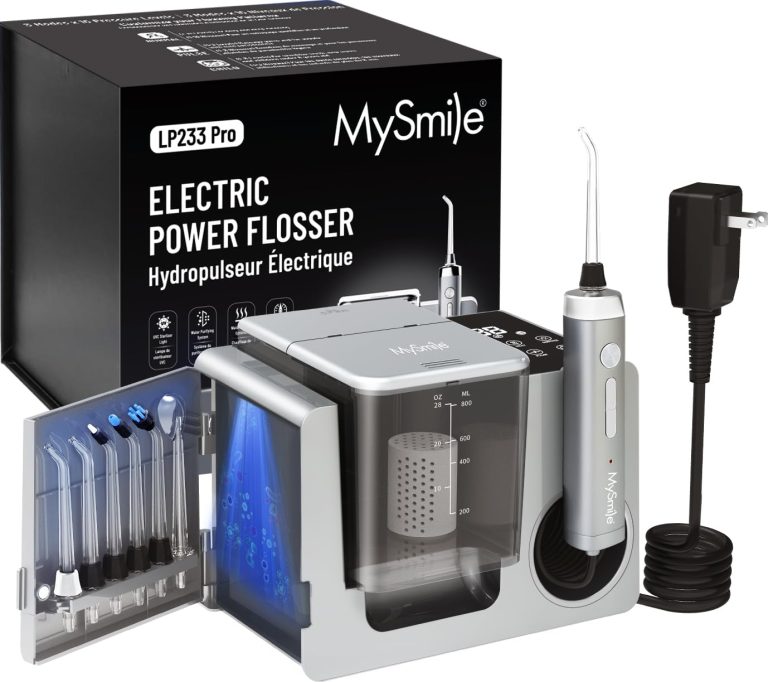
It’s pretty straightforward, really. A water flosser, also known as an oral irrigator, uses a pressurized stream of water. This stream is directed at your teeth and gums. The force of the water dislodges food particles and plaque from between your teeth and below the gumline. It’s like a tiny, targeted power wash for your mouth!
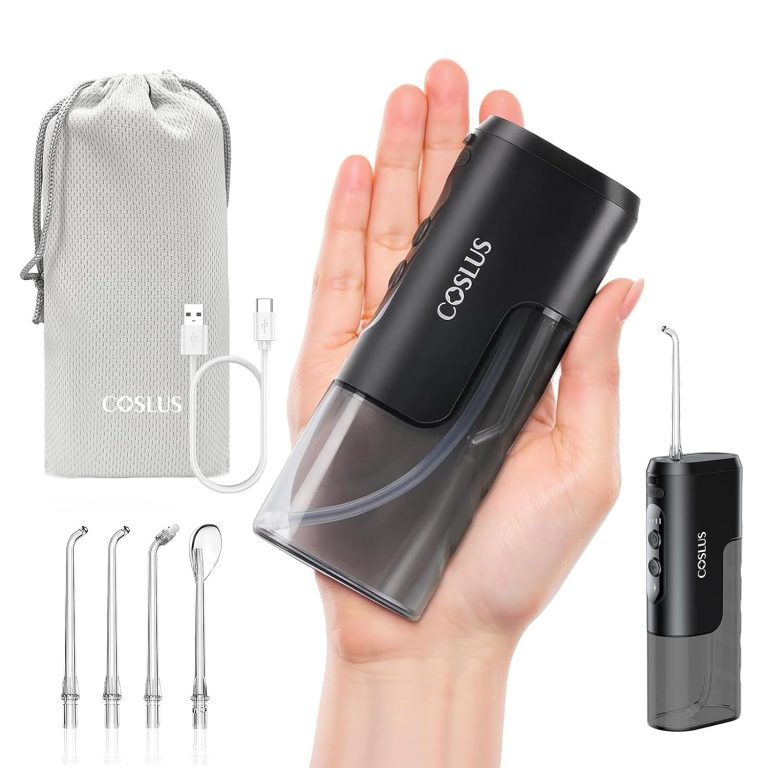
Most devices come with different tip attachments. You can select one that fits your needs. You fill the reservoir with water, though some people add mouthwash. Then, you aim the tip and let the water do its thing. It’s a simple process that can make a big difference.
The Mechanism of Action
The water jet is the star here. Its pulsating action is key. This pulsation helps to effectively sweep away debris. It also provides a gentle massage to your gums. This massage can help improve circulation in your gum tissue. Many dental professionals find this stimulating effect beneficial for gum health.
What About the Pressure?
You can usually control the pressure settings on your water flosser. Starting on a lower setting is a good idea, especially if you’re new to using one. This helps prevent discomfort. As you get used to it, you can gradually increase the pressure for a more thorough clean. Your gums will likely thank you for the gentle approach.
Who Benefits Most from Water Flossers?
While everyone can benefit from cleaner teeth, some groups find water flossers particularly helpful. If you have dental work, you know how challenging it can be to clean around it. Water flossers make this much easier. They are often recommended by dentists for these specific situations.
People with Braces or Other Orthodontics
Braces present many nooks and crannies where food and plaque can get stuck. Traditional floss can be difficult and time-consuming to maneuver around brackets and wires. A water flosser can easily reach these areas. Studies have shown that water flossers can be very effective at removing plaque around orthodontic appliances (NCBI).
Individuals with Implants, Bridges, or Crowns
Dental implants, bridges, and crowns require careful cleaning. Food can get trapped under the edges of these restorations. Water flossers provide a gentle yet thorough way to clean these areas. This helps maintain the health of the surrounding gum tissue and the dental work itself. Keeping these areas clean is vital for their longevity.
Those with Gum Disease or Gingivitis
If you have gingivitis or early-stage gum disease, a water flosser can be a game-changer. It helps remove bacteria and plaque from the gumline, where these issues often start. The gentle massage action can also soothe inflamed gums. Many dentists recommend them as part of a treatment plan for gum health.
People Who Struggle with Traditional Floss
Let’s be honest, some people just find traditional flossing awkward or difficult. Maybe your hands aren’t as nimble, or you simply dislike the feel of it. A water flosser offers an easier alternative. It requires less manual dexterity. If it means you’ll clean between your teeth more often, that’s a huge win!
Are There Any Downsides or Risks?
Generally, no. The risks associated with water flossers are minimal and usually stem from improper use. When used correctly, they are very safe. The key is to follow the instructions and listen to your mouth.
Potential for Gum Irritation
The most common concern is potential gum irritation. This typically happens if you use too high a pressure setting. Or, if you’re new to it, your gums might be a bit sensitive at first. Starting slow and low with the pressure is the best way to avoid this. Your gums will likely become accustomed to it over time.
Not a Complete Replacement for Brushing
It’s important to remember that a water flosser is a supplement to, not a replacement for, brushing. You still need to brush your teeth twice a day to remove plaque from the tooth surfaces. Think of it as a powerful cleaning buddy for your toothbrush.
Proper Technique is Key
Using the water flosser correctly is essential. Aiming the stream at the gumline and between teeth is important. If you just spray water randomly, you won’t get the full benefit. Taking a moment to learn the technique ensures you’re getting the best clean possible.
| Feature | Water Flosser | Traditional Floss |
|---|---|---|
| Cleaning Mechanism | Pulsating water stream | String or tape |
| Ease of Use | Generally easier, especially with dental work | Can be challenging for some |
| Effectiveness on Plaque | Highly effective, especially around dental work | Effective when used correctly |
| Gum Stimulation | Provides gentle gum massage | Can sometimes irritate gums if used too roughly |
| Portability | Less portable (requires a power source/reservoir) | Highly portable |
Ensuring You’re Using It Right
Using your water flosser correctly ensures you get the maximum benefit without any discomfort. Here’s a quick checklist to keep in mind:
- Start with the lowest pressure setting.
- Aim the tip at the gumline.
- Pause briefly between each tooth.
- Close your lips slightly to avoid mess.
- Don’t force the tip into tight spaces.
- Clean the reservoir regularly.
Conclusion
After reviewing the facts, it’s clear that water flossers are not bad for you when used as directed. They offer a safe and effective way to improve your oral hygiene, especially if you have dental work or find traditional flossing challenging. Remember, they are a fantastic addition to your brushing routine, not a replacement. By understanding how they work and using them correctly, you can confidently incorporate a water flosser into your daily care for a healthier, cleaner smile. Ready to give your gums a boost? Consider talking to your dentist about if a water flosser is the right next step for your unique needs.
Frequently Asked Questions
Can using a water flosser too much harm my gums?
When used correctly, water flossers are generally safe for your gums. The main risk comes from using excessively high pressure settings. Always start with the lowest setting, especially when you’re new to it. Listen to your body; if you feel discomfort, reduce the pressure. Your gums should adapt over time.
Is it okay to use mouthwash in my water flosser?
Many water flossers allow you to use a mixture of water and therapeutic mouthwash. This can offer added benefits, like fighting bad breath or reducing inflammation. However, it’s best to check your specific device’s manual. Some manufacturers advise against it to prevent damage to the unit.
Do water flossers actually remove plaque as well as string floss?
Research shows water flossers are highly effective at removing plaque, particularly in hard-to-reach areas and around dental work like braces or implants. While they might not completely replace the scraping action of string floss for some, they significantly boost plaque removal when used consistently alongside brushing.
How long does it typically take to get used to water flossing?
Most people find they get comfortable with water flossing within a week or two. Initially, you might need to practice aiming the stream and managing the water in your mouth to avoid splashing. Starting with a lower pressure setting and following the technique tips will help you adapt more quickly.
Can a water flosser replace my dentist’s professional cleaning?
No, a water flosser is an excellent tool for daily at-home oral care, but it does not replace professional dental cleanings. Dentists and hygienists have specialized tools and techniques to remove hardened plaque (tartar) and assess your overall oral health. Think of your water flosser as a powerful daily aid, not a substitute for professional care.