Water Flosser Effectiveness: Do They Really Work?
Yes, water flossers are effective at removing plaque and debris. They are a great addition to your oral hygiene routine. Many dental professionals recommend them as a supplement to traditional flossing.
If you’re wondering how they work, imagine a tiny power wash for your teeth and gums. They use a stream of water to reach areas a toothbrush might miss. This can lead to healthier gums and cleaner teeth overall.
- Water flossers blast away plaque.
- They reach tricky spots traditional floss might miss.
- Using one can improve gum health.
- They are a good partner to regular brushing and flossing.
Let’s dive into the details and see why a water flosser might be your new best friend for a sparkling smile.
You’re probably here because you’ve seen water flossers advertised or maybe a friend mentioned them. You’re wondering if they’re really worth it. Do they actually work as well as the ads claim? We’ve got the answers for you.
Putting Water Flossers to the Test: Do They Really Work?
Yes, water flossers are quite effective. They offer a powerful way to clean your teeth and gums. Many dental professionals find them beneficial for oral health. They can remove plaque and food particles that brushing alone misses.
How Does a Water Flosser Actually Clean?
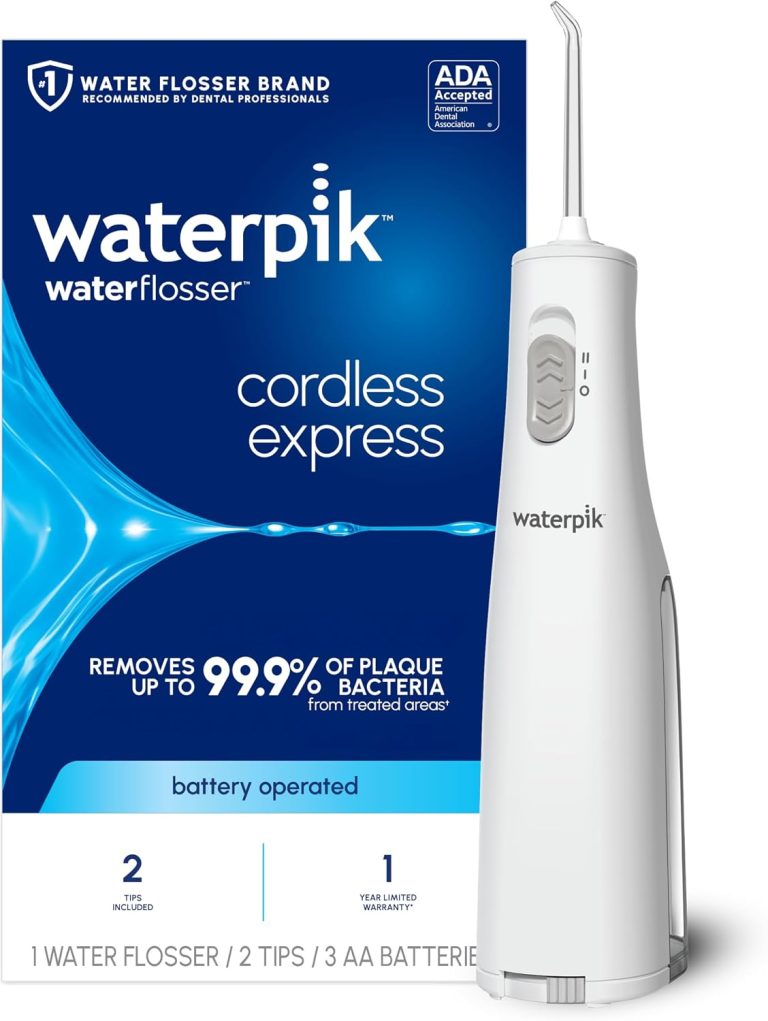
Think of it like a tiny, targeted water jet. A water flosser uses a pulsating stream of water. This stream is designed to reach into those tight spaces. It gets between your teeth and along your gumline. This action dislodges food debris and breaks up plaque.
The pulsating action is key. It’s not just a steady stream. This pulsing helps to physically disrupt the sticky film of plaque. It also stimulates your gums. This can lead to healthier gum tissue over time. We’ve found this to be a major benefit for many people.
The Technology Behind the Stream
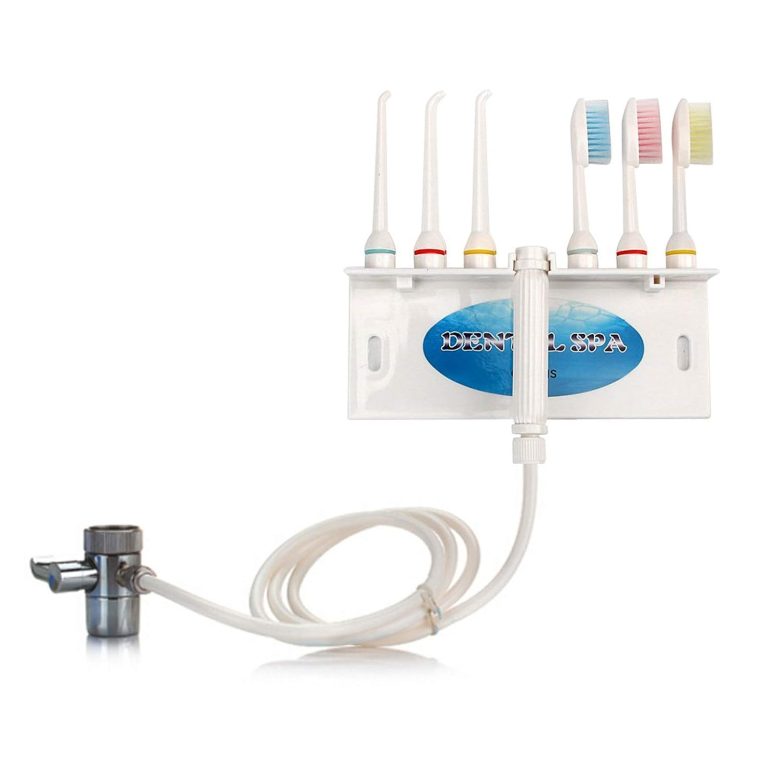
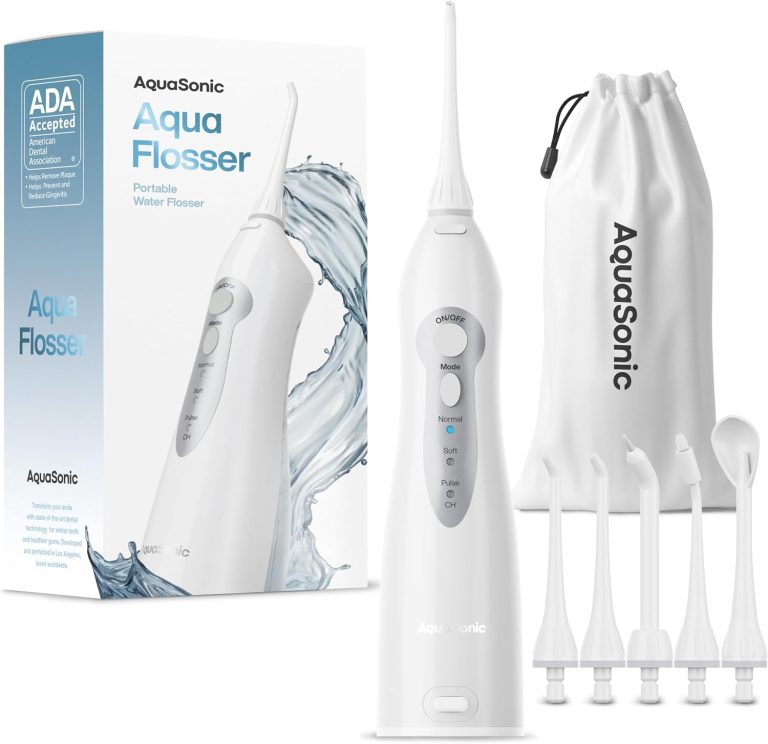
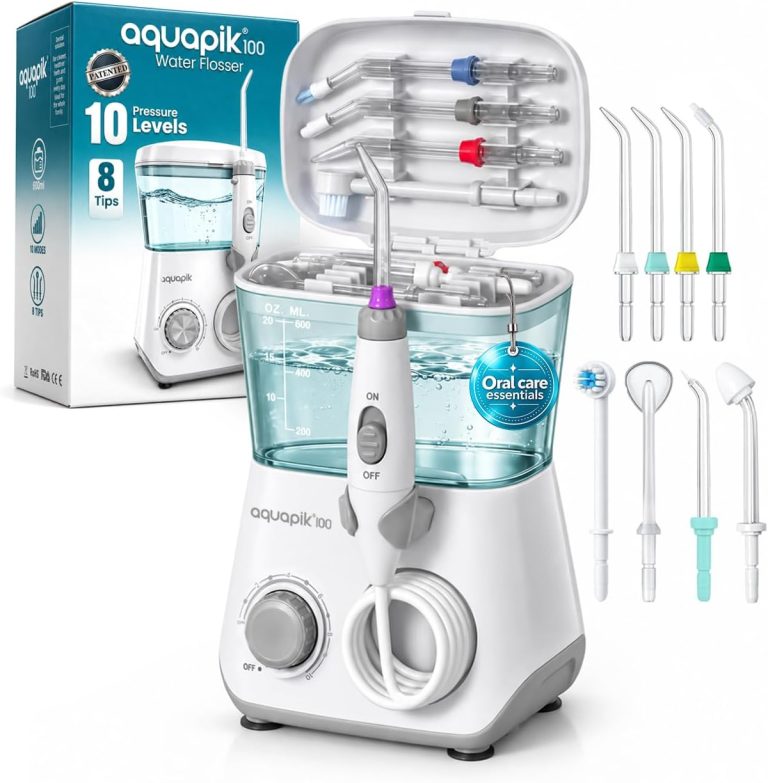
Most water flossers have a reservoir for water. You fill this with water, or sometimes a mouthwash solution. A small pump then pressurizes the water. It’s then sent through a narrow tip. This creates the controlled, pulsating stream.
The pressure and pulsation settings can often be adjusted. This allows you to customize the experience. You can start with a gentler setting. Then, you can gradually increase it as your mouth gets used to it. This customization makes them accessible for most people.
Comparing Water Flossers to Traditional Flossing
This is a common question. Is a water flosser better than string floss? The truth is, they serve slightly different, but often overlapping, purposes. Many dental experts suggest using both.
Traditional string floss works by scraping. It physically scrapes plaque off the sides of your teeth. It’s very effective at this direct contact cleaning. However, some people find it difficult to use correctly. Others simply dislike the sensation.
Where Water Flossers Shine
Water flossers excel in areas that are hard to reach. This includes the back molars. It also includes the spaces between teeth that are very tight. For people with dental work, like braces or bridges, they are fantastic. They can clean around these appliances easily.
We’ve seen research indicating that water flossers can be very effective. They significantly reduce gum bleeding and inflammation (NCBI). This is often due to their ability to clean below the gumline. They also clean the surfaces between teeth thoroughly.
When Traditional Floss Might Be Preferred
For some, the direct scraping action of string floss is unparalleled. It removes sticky plaque layers effectively. If you have very tight contacts between your teeth, string floss might still be the best way to get under the contact point. Some people also prefer the simplicity of carrying a small container of floss.
The effectiveness of any flossing method depends on proper technique. This is true for both string floss and water flossers. It’s about getting the cleaning tool to the right places. You need to ensure all tooth surfaces are addressed. We want to stress that *how* you floss matters greatly.
Who Benefits Most from Water Flossers?
Water flossers aren’t just a trendy gadget. They can be a real game-changer for certain individuals. If you struggle with traditional flossing, a water flosser is a great alternative.
People with Braces, Bridges, and Implants
Dental work can make flossing tricky. Brackets on braces can trap food. Bridges create new spaces to clean. Implants require gentle but thorough cleaning around the base. Water flossers can navigate these areas with ease. They clean effectively without damaging the dental work. This is a huge advantage.
Individuals with Limited Dexterity
Arthritis or other conditions can affect hand strength and coordination. This makes manipulating string floss difficult. A water flosser is much simpler to operate. You simply hold the tip and guide it along your teeth. This ease of use makes consistent oral hygiene more achievable.
Those Prone to Gum Disease
If you experience frequent gum bleeding or inflammation, a water flosser can help. The gentle massaging action of the water stream can improve gum health. Studies have shown that water flossing can lead to a significant reduction in gingivitis (Cleveland Clinic). This makes gums healthier and less prone to disease.
Making Water Flossing Part of Your Routine
Adding a water flosser to your dental care is straightforward. It should ideally be used after brushing. It can also be used before brushing. Many people find it feels more effective after brushing.
A Simple Checklist for Effective Use
Ready to give it a try? Here’s a quick rundown to get you started:
- Fill the reservoir with lukewarm water.
- Select a comfortable pressure setting.
- Place the tip in your mouth before turning it on.
- Aim the water stream at the gumline.
- Pause between each tooth to clean.
- Follow the path of your teeth, both front and back.
Consistency is key. Aim to use your water flosser at least once a day. This will give you the best results for your oral health. You might be surprised at how much cleaner your mouth feels.
Conclusion
You’ve learned that water flossers are indeed effective tools for enhancing your oral hygiene. They expertly remove plaque and debris, especially in hard-to-reach spots. For many, they offer a gentler and more accessible alternative or addition to traditional flossing. Whether you have dental work, dexterity issues, or simply want a deeper clean, a water flosser can make a noticeable difference. Ready to experience a cleaner mouth? Consider adding a water flosser to your daily routine and see the positive changes for yourself.
Frequently Asked Questions
Can a water flosser completely replace traditional string floss?
While water flossers are highly effective, most dental professionals recommend using them as a supplement to, not a complete replacement for, string floss. Traditional floss excels at scraping plaque directly off tooth surfaces, especially in very tight areas. Combining both methods can offer the most thorough clean possible.
How often should I use a water flosser to see results?
For best results, aim to use your water flosser at least once a day. Consistency is key to removing plaque and improving gum health over time. Many people find it fits best into their routine after brushing.
Can I use mouthwash in my water flosser?
Yes, you can often use mouthwash in your water flosser. Check your device’s manual for specific instructions. Using mouthwash can add an extra layer of freshness and antimicrobial action to your cleaning. Just be sure to rinse the reservoir afterward.
Are water flossers safe for sensitive gums?
Water flossers are generally safe and can be beneficial for sensitive gums. You can adjust the pressure settings to a gentler level, which is less irritating than string floss for some. The pulsating water can also massage and stimulate gum tissue, potentially improving gum health over time.
How long does it take to get used to using a water flosser?
Most people find they get used to using a water flosser within a few days to a week. It can take a little practice to get the technique right and avoid making a mess. Start with a lower pressure setting and follow the simple steps to become comfortable with it quickly.