Water Flosser vs String Floss: Which is Better
When deciding between a water flosser and traditional floss, water flossers are often better for removing plaque and reducing gum bleeding. Research suggests they can be more effective, especially for those with braces or other dental work. While traditional floss is great, a water flosser offers a different, often gentler, approach to cleaning between your teeth.
You might be wondering if this new gadget can really replace that string you’ve used forever. We’ve looked into it, and many dental professionals agree that water flossers provide a thorough clean that’s easier to achieve for some. They can be a fantastic tool for improving your overall oral hygiene routine.
- Water flossers can be more effective than string floss for some people.
- They help remove plaque and reduce gum bleeding.
- They are particularly useful for individuals with braces or dental implants.
- Both methods aim to improve your gum health.
So, is a water flosser the right choice for you? Let’s break down how each method works and what the science says about their effectiveness.
Water Flossers vs. Traditional Floss: Which Cleans Best?
Many dental professionals suggest that water flossers can be more effective than traditional string floss for removing plaque. They offer a unique way to clean those hard-to-reach spots. If you struggle with string floss or have specific dental work, a water flosser might be your new best friend. We’ve looked at the research to help you decide.
How Does a Water Flosser Actually Work?
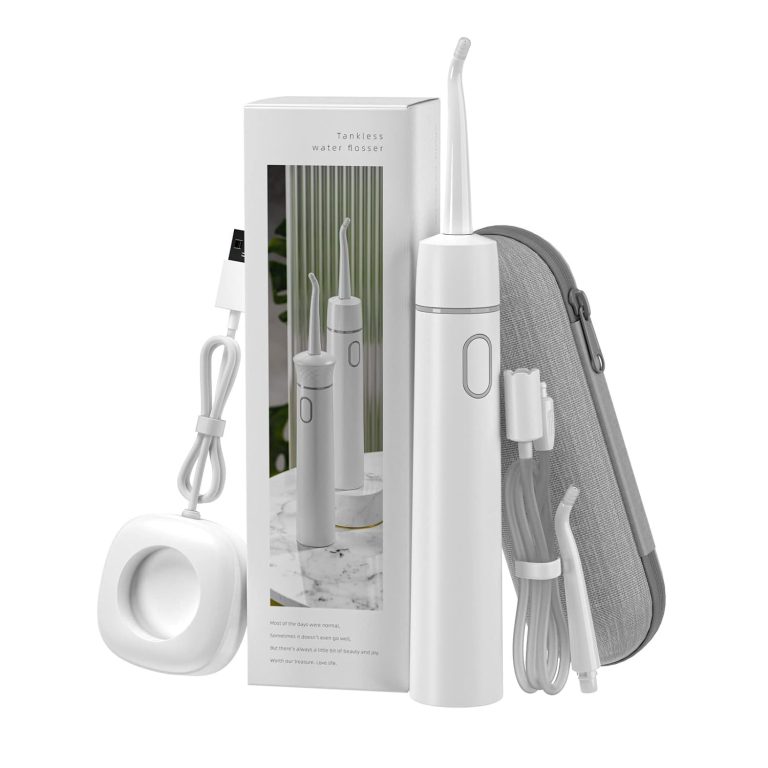
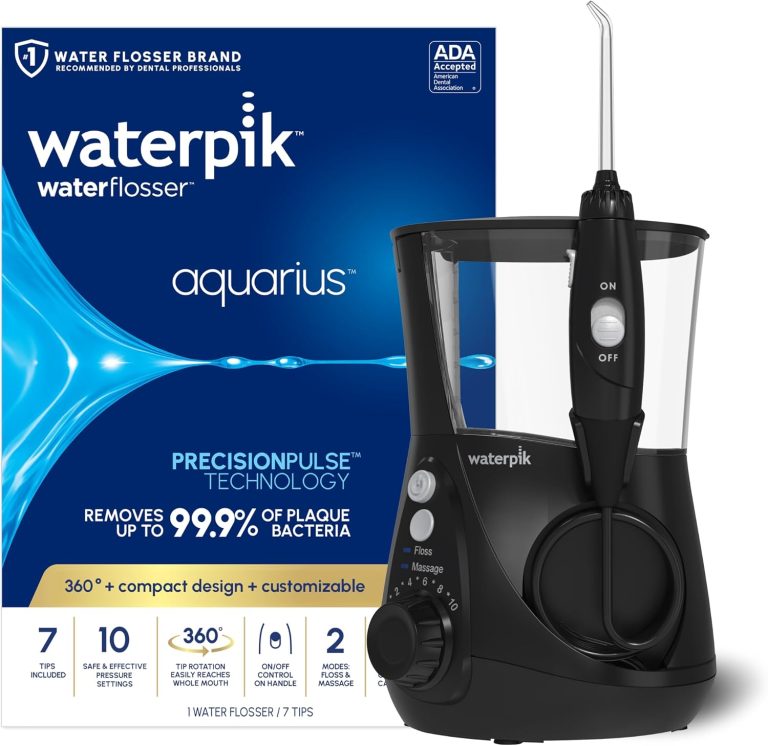
Think of a water flosser like a tiny, high-pressure shower for your teeth. It shoots a thin stream of water between your teeth and along your gumline. This pulsating water can dislodge food particles and plaque. It’s a gentle yet powerful way to clean. You control the pressure, making it comfortable for most people.
How Does Traditional Flossing Work?
Traditional floss uses a thin string or tape. You guide it between your teeth. Then, you gently scrape away plaque and debris. It’s a classic method that’s been around for ages. It requires some manual dexterity to get the angle right.
Effectiveness in Plaque Removal and Gum Health
When it comes to cleaning power, water flossers often come out on top. Studies have shown they can remove more plaque than string floss. This is especially true along the gumline. Gum bleeding can be a common issue for many. Research has found water flossers to be quite good at reducing it.
What the Research Says About Plaque Removal
Several studies point to the superior plaque-removing capabilities of water flossers. For instance, one review found that using a water flosser removed up to 35% more plaque than string floss (NCBI). This might seem like a big difference. It suggests a deeper clean is possible with this method. You’re essentially blasting away stubborn plaque with targeted water jets.
Impact on Gum Bleeding and Gingivitis
Reducing gum bleeding is a major win for oral health. Gingivitis, the early stage of gum disease, often causes bleeding gums. Experts at the Mayo Clinic often recommend flossing daily to prevent this. They also note that water flossers can be a great alternative. Studies show water flossers can reduce gingivitis and bleeding gums significantly. One study found a 75% reduction in gingivitis with regular water flosser use (Cleveland Clinic).
Who Benefits Most from Water Flossers?
While anyone can benefit, some groups find water flossers particularly helpful. If you have braces, bridges, crowns, or dental implants, cleaning can be tricky. String floss might get caught or be hard to maneuver. Water flossers make these areas much easier to clean thoroughly. They get into those tight spaces without a fuss.
Individuals with Braces or Dental Work
Braces are notorious for trapping food particles. Traditional floss can be a real challenge to use around wires and brackets. A water flosser can easily reach these areas. It cleans around the orthodontic appliances without snagging. This helps prevent cavities and gum inflammation often associated with braces.
People with Limited Dexterity or Specific Needs
Do you find it hard to get the hang of traditional flossing? Perhaps arthritis or other conditions make it difficult? Water flossers require less manual skill. You just guide the tip. This makes them an excellent option for older adults or anyone with dexterity issues. It ensures you can still achieve a good clean.
Those Who Dislike Traditional Flossing
Let’s be honest, not everyone enjoys the feel of string floss. Some find it uncomfortable or even painful. If you tend to skip flossing because you dislike it, a water flosser could be the solution. It offers a gentler experience. You might find yourself looking forward to your oral hygiene routine.
Comparing the Two Methods: A Quick Look
We’ve covered a lot of ground. Here’s a simple table to help you see the differences at a glance. Think of it as a quick cheat sheet.
| Feature | Water Flosser | Traditional Floss |
|---|---|---|
| Plaque Removal | Often more effective, especially along gumline. | Effective with proper technique. |
| Gum Bleeding Reduction | Studies show significant reduction. | Effective when used correctly. |
| Ease of Use (Braces/Implants) | Excellent. Reaches difficult areas easily. | Can be challenging. |
| Dexterity Required | Minimal. | Moderate to high. |
| Cost (Initial) | Higher ($30-$100+). | Lower ($2-$5). |
| Portability | Less portable (requires power/water). | Very portable. |
Making the Choice for Your Smile
So, is a water flosser better? For many people, yes. They offer a more effective and often gentler way to clean. Especially if you have dental work or struggle with traditional floss. Remember, the goal is to clean between your teeth effectively every day.
Key Takeaways for Your Routine
Here’s a quick checklist to help you remember the main points. Think of these as your action steps:
- Consider your dental work when choosing.
- Water flossers can be easier for braces.
- They often remove more plaque.
- They are gentle on gums.
- Both methods require consistency.
- Talk to your dentist for personalized advice.
Conclusion
So, have you decided if a water flosser is right for your smile? For many, the research points towards water flossers offering a more effective clean, especially if you have braces or struggle with traditional floss. They’re proven to remove more plaque and significantly reduce gum bleeding, making your daily routine easier and gentler. Remember, the best method is the one you’ll stick with consistently. Talk to your dentist about what’s best for your unique needs and smile goals.
Frequently Asked Questions
Can a water flosser completely replace string floss?
While water flossers are highly effective, some dentists still recommend using string floss in addition to a water flosser. String floss can sometimes reach slightly different areas. However, for many, a water flosser alone provides an excellent level of clean, particularly for those with dental work.
Is the initial cost of a water flosser worth it?
The initial investment for a water flosser is higher than for string floss. However, many users find the long-term benefits for gum health and ease of use justify the cost. If you struggle with traditional flossing or have specific dental needs, it can be a worthwhile investment in your oral hygiene.
How long does it take to get used to a water flosser?
Most people adapt to using a water flosser within a few days. You’ll quickly learn to control the water stream and find the most comfortable pressure. It might feel a little messy at first, but it becomes a simple part of your routine with practice.
Are water flossers safe for sensitive gums?
Yes, water flossers can be very safe and even beneficial for sensitive gums. They allow you to control the water pressure, so you can start on a lower setting and gradually increase it as your gums become accustomed to the cleaning. Many find them gentler than string floss.
Do I need to use mouthwash with a water flosser?
Typically, you just use water with your water flosser. Some models allow for the addition of mouthwash, but it’s often not necessary for effective cleaning. Plain water is highly effective at dislodging food particles and plaque. Always check your model’s instructions before adding anything other than water.