Water Floss vs Traditional Floss: Which Is More Effective
So, are water flossers as effective as traditional floss for cleaning your teeth? Yes, research indicates that water flossers can be just as effective as string floss, and sometimes even better, at removing plaque and reducing gum inflammation. They offer a gentler alternative, especially for those with braces or sensitive gums. Our guide to the best cordless water flossers for braces can help you choose one.
Many dental professionals agree that incorporating water flossing into your routine can significantly boost your oral hygiene. It’s particularly helpful for cleaning around dental work. Some studies suggest water flossers are more efficient at reaching deep into periodontal pockets than string floss. It’s about finding the right tool for your unique dental needs.
- Water flossers can be as effective as string floss for plaque removal.
- They are great for people with braces, implants, or sensitive gums.
- Water flossers may even be better at cleaning deep gum pockets.
- Consistency is key, whether you use string floss or a water flosser.
Let’s dive deeper into how water flossers stack up against traditional floss, so you can make the best choice for your smile.
Comparing Water Flossers to Traditional String Floss
You’re probably wondering if that fancy water flosser is truly a worthy replacement for your trusty string floss. The short answer? It absolutely can be! Research consistently shows that water flossers are highly effective. They excel at removing plaque and reducing gum inflammation.
Many dental professionals view water flossers as a fantastic addition to your oral care routine. They offer a gentle, yet powerful, way to clean your teeth and gums. Let’s break down how they stack up.
How Water Flossers Work Their Magic
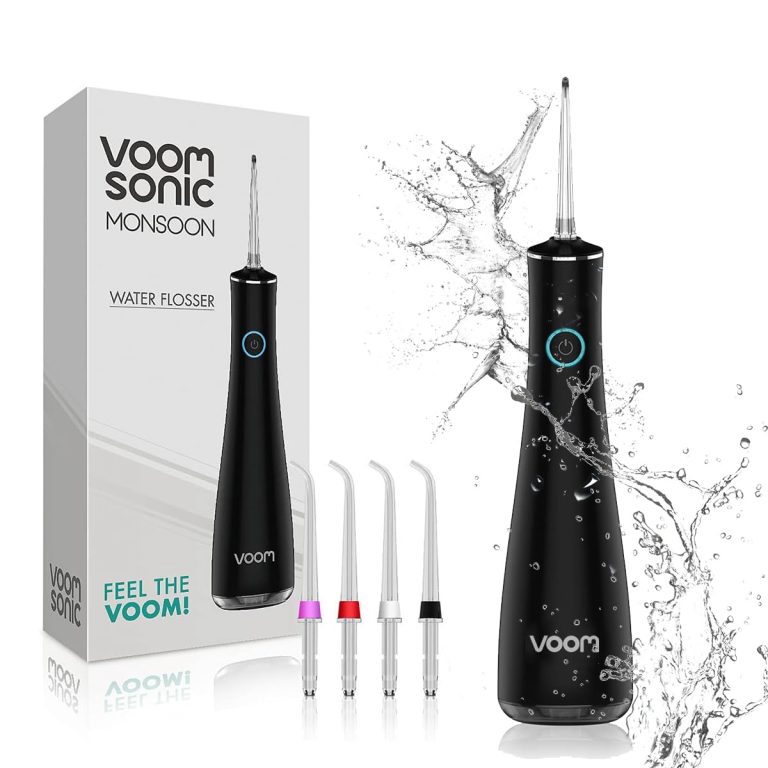
So, how exactly does a water flosser get your teeth sparkling clean? It’s pretty straightforward. A water flosser uses a pressurized stream of water. This stream pulses and shoots between your teeth and along your gum line. It’s designed to dislodge food particles and plaque.
Think of it like a tiny, targeted pressure washer for your mouth. The pulsating action is key. It helps to agitate and wash away debris more effectively than a steady stream might. This makes it great for reaching areas that can be tricky with other methods.
The Science Behind the Stream
Studies have looked closely at this technology. They found that water flossers can remove plaque effectively. Some research even suggests they are superior to string floss in certain situations. This is especially true for cleaning deep periodontal pockets.
The American Dental Association (ADA) has acknowledged the effectiveness of water flossers. They recommend them as a tool that can help improve oral health when used consistently. This is based on findings that show significant reductions in bleeding gums and plaque buildup (Cleveland Clinic).
When Water Flossers Shine Brightest
While both methods can clean your teeth, water flossers have some unique advantages. These make them a better choice for specific individuals and situations. You might find a water flosser is perfect for you if you have certain dental work or specific needs.
Braces, Implants, and Bridges: A Match Made in Heaven
If you wear braces, have dental implants, bridges, or crowns, you know how challenging cleaning can be. String floss can snag or be difficult to maneuver around all the hardware. This is where water flossers truly shine.
The targeted water stream can easily reach around brackets, wires, and under bridges. It washes away food particles that get trapped. This helps prevent inflammation and decay around your dental work. Many users report a much cleaner feeling after using a water flosser with braces.
Sensitive Gums and Gingivitis: A Gentler Approach
Do your gums tend to bleed or feel sore when you floss? String floss can sometimes irritate already sensitive gums. Water flossers offer a much gentler alternative.
The pulsating water stream massages your gums while it cleans. This can actually help improve gum health over time. Research has shown that water flossing can lead to reduced gingivitis and bleeding gums. It’s a kinder way to achieve a thorough clean.
Reaching Those Hard-to-Get Spots
Let’s be honest, sometimes getting floss into those really tight spots feels like an Olympic sport. Water flossers are designed to reach these areas with ease. They can penetrate deeper into gum pockets.
This ability to reach deeper is important. It means they can remove bacteria and plaque from areas that string floss might miss. This is particularly beneficial for people with gum disease or a tendency to develop deeper pockets. The ADA notes that improved gum health is a key benefit (Mayo Clinic).
String Floss: The Tried and True Classic
Now, let’s not forget about traditional string floss. It’s been around forever for a reason! String floss is incredibly effective at scraping plaque directly off the tooth surface. It requires a bit more manual dexterity, but when used correctly, it’s a champion cleaner.
The Mechanical Advantage of String Floss
String floss works by physically scraping away plaque. You curve the floss around the tooth. Then you gently rub up and down. This direct contact removes the sticky film of bacteria.
Many dentists still recommend string floss as the gold standard for plaque removal. It’s highly effective at cleaning the tight spaces between teeth and just below the gum line. It requires no batteries or charging, making it super convenient for travel.
Putting It All Together: A Comparison Table
To help you visualize the differences and similarities, let’s look at a quick comparison. This should make it easier to see which might be best for your needs.
| Feature | Water Flosser | String Floss |
|---|---|---|
| Plaque Removal | Highly effective, especially in hard-to-reach areas. | Excellent direct scraping of plaque from tooth surfaces. |
| Gum Health | Gentle, reduces inflammation, good for sensitive gums. | Effective but can cause irritation if not used carefully. |
| Dental Work | Excellent for braces, implants, bridges. | Can be difficult to maneuver around dental work. |
| Ease of Use | Generally easy, less manual dexterity needed. | Requires practice and good technique. |
| Portability | Requires electricity or batteries; bulkier. | Very portable and easy to carry. |
Making the Right Choice for Your Smile
Ultimately, the best flossing method is the one you will use consistently. Whether you choose a water flosser or string floss, the key is to make it a daily habit.
Consistency is King (or Queen!)
Experts agree that daily interdental cleaning is vital for preventing cavities and gum disease. If you struggle with string floss, a water flosser might be the tool that helps you achieve that daily clean.
If you love string floss and use it perfectly every day, great! If you find it a chore, or if you have dental work that makes it tough, a water flosser could be a game-changer. Some people even use both!
A Simple Checklist for Better Flossing Habits
Ready to step up your cleaning game? Here’s a quick checklist to help you:
- Commit to cleaning between your teeth daily.
- Choose the method that feels most comfortable and effective for you.
- If using a water flosser, use lukewarm water.
- If using string floss, be gentle around the gum line.
- Don’t forget to clean the back teeth thoroughly.
- Talk to your dentist about the best option for your specific needs.
Conclusion
You’ve learned that water flossers can be just as effective as traditional string floss for cleaning your teeth. Research shows they excel at removing plaque and reducing gum inflammation. They offer a fantastic, gentler option, especially if you have braces, implants, or sensitive gums. While string floss offers a direct scraping action, water flossers can reach deeper into pockets. The most important thing is to find the method you’ll use daily. Your daily commitment to cleaning between your teeth is what truly safeguards your oral health. Talk to your dentist to decide what’s best for your unique smile!
Frequently Asked Questions
Can I replace string floss entirely with a water flosser?
Yes, many dental professionals agree you can replace string floss with a water flosser. Studies indicate water flossers are highly effective at removing plaque and improving gum health. If a water flosser helps you clean between your teeth consistently, it’s a great choice for your oral hygiene.
Is water flossing safe for my gums?
Water flossing is generally very safe and often gentler for your gums than string floss. The pulsating water stream can massage your gums while cleaning. Research has found it can lead to reduced gum bleeding and inflammation, making it ideal for those with sensitive gums.
How long does it take to get used to using a water flosser?
Most people get the hang of water flossers within a few uses. Initially, you might find it a little messy as you learn the technique. Using lukewarm water can make the experience more comfortable. You’ll likely feel a cleaner mouth after just a couple of tries.
Can I use mouthwash in my water flosser?
Some water flossers allow you to add therapeutic mouthwash, but check your model’s instructions first. Often, plain water is sufficient for effective cleaning. If you do use mouthwash, use a small amount. It’s always best to follow the manufacturer’s recommendations.
Will a water flosser remove all plaque?
Water flossers are very effective at removing plaque, especially from hard-to-reach areas and along the gumline. While they don’t scrape plaque off the tooth surface in the same way string floss does, their ability to flush out debris and bacteria is excellent. Many studies show they significantly reduce plaque buildup.