Are Water Flossers Worth It? Benefits and Drawbacks Explained
Yes, water flossers are worth it for most people — especially if you have braces, dental work, or gums that bleed when you floss with string. They shoot a steady stream of water between your teeth and along your gumline, blasting away food and plaque. Many dentists consider them a solid addition to your routine, not a total replacement for floss.
Still on the fence? We get it. We researched what dental experts and studies actually say, and we found that water flossers can reduce gum bleeding and inflammation pretty effectively. They’re also a lifesaver if you hate flossing (and honestly, who doesn’t?). But they cost money up front, and they’re not perfect for everyone.
TL;DR — here’s the quick rundown:
- Water flossers are great for braces, implants, bridges, and permanent retainers.
- They’re easier and gentler than string floss for many people with sensitive gums.
- Most dentists say they work best alongside regular flossing, not instead of it.
- Prices range from about $30 for basic models to $100+ for fancy ones.
- If you already floss daily without issues, you may not need one at all.
Below, we break down who benefits most, what the research says, and how to decide if a water flosser deserves a spot on your bathroom counter. Let’s dive in.
What a Water Flosser Actually Does
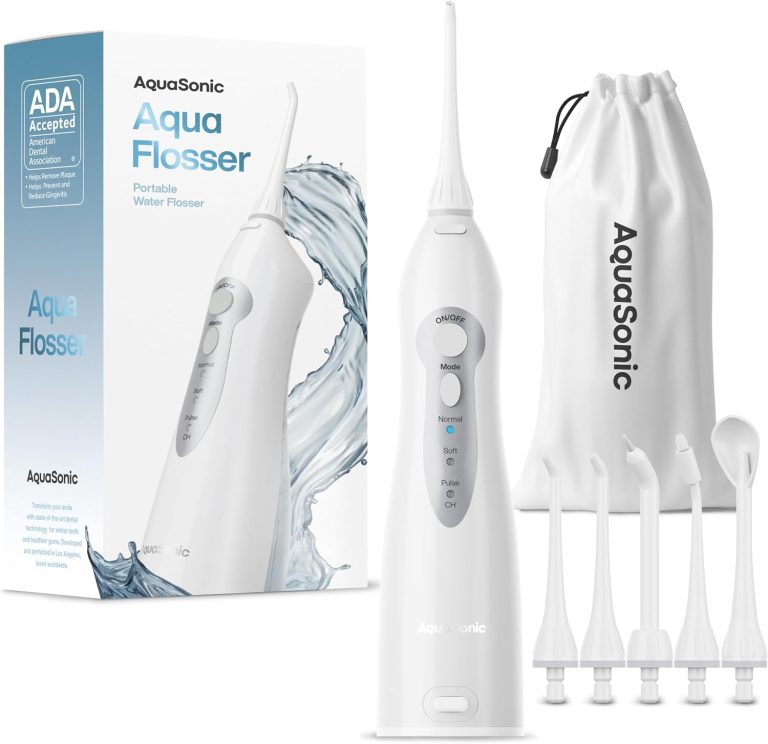
A water flosser shoots a thin, pressurized stream of water between your teeth and along your gumline. Think of it as a tiny pressure washer for your mouth — minus the risk of accidentally siding the mailbox. The stream flushes out food particles and loose plaque where a toothbrush can’t reach.
Most units have a water reservoir, a handheld wand, and different pressure settings. You lean over the sink, aim the tip along your gumline, and let it rip. Messy at first? Sure. But most people get the hang of it within a week.
What the Research Says About Water Flossers
Here’s the good news: the science actually backs these things up. We found several studies showing that water flossers reduce gum bleeding and inflammation — sometimes better than string floss alone. One frequently cited clinical trial found that adding a water flosser to brushing reduced bleeding gums more than brushing plus string floss.
The American Dental Association notes that water flossers with the ADA Seal of Acceptance have been tested for removing plaque between teeth. That’s a real stamp of approval, not just clever marketing. Researchers at institutions like the NIH have also studied oral irrigation for years, especially for people who can’t floss the traditional way.
So no, these aren’t gimmicky gadgets sold at 2 a.m. The evidence is genuinely on their side for most users.
Who Benefits Most From Using One
Not everyone needs a water flosser — but for certain folks, it’s close to a must-have. If any of the below sounds like you, keep reading closely.
People With Braces, Bridges, and Implants
Anyone who has had braces knows the pain of threading floss through wires. It’s like trying to floss a picket fence. Water flossers breeze right past brackets and wires, which is why orthodontists recommend them so often. Bridges, implants, and permanent retainers create the same headaches — water rinses those tricky spots clean without a wrestling match.
People With Sensitive or Bleeding Gums
If string floss makes your gums bleed or ache, a water flosser is a much gentler entry point. Start on the lowest pressure setting and work your way up. Many dentists suggest this approach for patients with gingivitis, and the Cleveland Clinic notes that gum inflammation often improves with consistent, gentle cleaning between teeth.
People With Arthritis or Limited Dexterity
Wrapping floss around your fingers and maneuvering it behind your back molars takes real hand dexterity. If arthritis, tremors, or an injury make that hard, a water flosser removes the struggle entirely. Point, click, done.
Water Flosser vs. String Floss: How They Compare
Neither one is the undisputed champion — they’re more like teammates. Here’s a quick side-by-side so you can see where each one shines.
| Feature | Water Flosser | String Floss |
|---|---|---|
| Gentleness on gums | Very gentle, adjustable pressure | Can cut or irritate sensitive gums |
| Braces and dental work | Excellent — no threading needed | Frustrating and slow |
| Scraping plaque off tooth surfaces | Only loosens and rinses it | Better physical scraping action |
| Cost | $30 to $100+ upfront | A few dollars per month |
| Portability | Bulky (unless cordless travel model) | Fits in your pocket |
| Ease of daily use | Easy, almost fun | Easy to skip when tired |
Notice that plaque scraping row? That’s string floss’s biggest advantage. The floss physically wipes the sticky film off each tooth. Water can’t scrape — it can only blast. That’s why many dentists want you to use both, or at least not ditch floss entirely without a conversation.
The Downsides You Should Know About
We’d be doing you a disservice if we only sang praises. Water flossers have real drawbacks worth weighing before you buy.
They’re Messy and Loud
Your first few sessions will look like a crime scene made of water. Lean over the sink and start on low pressure — seriously. Some units also hum loudly enough to wake a light sleeper if you’re using them early in the morning.
Counter Space and Cleaning
Countertop models eat up bathroom real estate and need regular tank cleaning to avoid mold or mineral buildup. If your bathroom counter is already crowded, a cordless model might be the smarter pick, though it usually holds less water.
The Price Tag
Basic models run around $30, while top-tier units can top $100. Add replacement tips every few months. Compare that to a $4 pack of floss, and the math matters — especially if you’re already a consistent flosser.
Do You Actually Need One?
Honest answer: maybe not. If you floss daily, your gums are healthy, and your dentist gives you a clean bill of health at every checkup, you’re already doing the hard part. Why fix what isn’t broken?
But if your floss sits unopened in the drawer because you hate using it, a water flosser you’ll actually use beats floss you won’t. Ask your dentist or hygienist at your next visit — they know your mouth better than any article does.
Quick Checklist: Is a Water Flosser Right for You?
- Yes, buy one if you have braces, a bridge, implants, or a permanent retainer. Our guide to the best cordless water flossers for braces ranks seven models built for cleaning around brackets and wires.
- Yes, consider one if string floss makes your gums bleed or hurt.
- Yes, if arthritis or limited hand mobility makes flossing tough.
- Yes, if you skip flossing entirely because you hate it.
- Skip it if you already floss daily with no problems.
- Ask your dentist first if you have recent surgery or gum disease treatment.
How to Use a Water Flosser the Right Way
Getting results takes a little technique. We found that most complaints come from people using them wrong on day one, then giving up. Here’s the smoother path:
- Fill the tank with lukewarm water — cold water can make sensitive teeth zing.
- Start on the lowest pressure setting for your first week.
- Lean over the sink and keep your lips slightly closed to limit splatter.
- Trace your gumline tooth by tooth, pausing briefly between each one.
- Use it before brushing, so leftover debris gets swept away after.
- Clean the tank and tips weekly to keep things hygienic.
Most people find their rhythm within a few days. Once it becomes muscle memory, the whole routine takes about a minute — less time than scrolling one more video you didn’t need to watch.
Conclusion
So, are water flossers worth it? For most people, yes — and for some, they’re practically essential. The research we found shows they reduce gum bleeding and inflammation, and they make cleaning around braces, implants, and bridges dramatically easier. Just remember they don’t scrape plaque the way string floss does, so many dentists want you to use both.
Here’s our honest advice: if you already floss daily without issues, save your money. But if flossing feels like a chore you always skip, a water flosser you’ll actually use beats one you won’t. Your next step is simple — mention it at your next dental checkup and ask your hygienist which model fits your mouth and budget.
Frequently Asked Questions
Can I use a water flosser every day?
Yes, daily use is exactly what they’re designed for. Most people get the best results using it once a day, ideally before brushing. Just clean the tank and tips regularly so bacteria and mineral buildup don’t creep in.
Can a water flosser damage your gums?
Not if you use it correctly. Start on the lowest pressure setting and let your gums adjust before cranking it up. Blasting high pressure directly into the gum pocket for long stretches can irritate tissue, so keep the tip angled along the gumline instead of pointed into it.
Should I use a water flosser before or after brushing?
Most dentists we researched recommend using it before brushing. That way, loose food particles get flushed out first, and your toothbrush can then sweep away whatever remains. Either order still beats not cleaning between your teeth at all, though.
Can I put mouthwash in a water flosser?
You can add a small amount of mouthwash to some models, but check your manual first. Concentrated rinses can damage internal parts and void the warranty on certain units. A safer bet is to rinse with mouthwash separately after flossing.
How long do water flossers last?
A well-maintained unit typically lasts several years, often three to five or more. Replacement tips wear out faster and usually need swapping every three to six months. Keeping the tank dry between uses goes a long way toward extending its life.