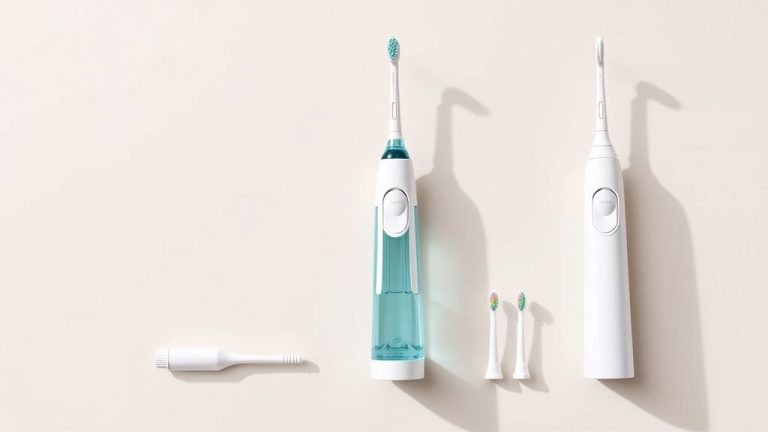
Water Flossers: Are They Worth Buying in October 2026?
Yes, water flossers are worth buying for most people, especially if you hate flossing, have braces, or deal with gum issues. They remove plaque and food between teeth using a pressurized stream of water, and studies show they clean between teeth just as well as string floss. So if you never floss, a water flosser beats not flossing at all.
That said, we found that a water flosser isn’t a magic fix. Dentists agree it works best alongside regular brushing and, ideally, some form of flossing. The big questions are whether one fits your budget, your bathroom counter space, and your actual habits. Be honest with yourself here, because the best flosser is the one you’ll actually use.
Here’s the short version before we dive in:
- Water flossers work for removing plaque and food between teeth.
- They’re especially helpful if you have braces, bridges, or dental implants.
- They cost anywhere from about $30 to over $100, so budget matters.
- They don’t fully replace brushing or string floss for most people.
- They’re worth it if they help you floss consistently instead of never flossing.
Below, we break down everything you need to know, from what dentists really think to who should skip the gadget and save their money. Let’s get into it.
Do Water Flossers Really Work?
Yes, they work. A water flosser shoots a thin stream of pressurized water between your teeth and along your gumline, flushing out food debris and loosening plaque. Studies summarized by the National Institutes of Health found that water flossers can reduce plaque and gum bleeding about as well as string floss.
Think of it like a power washer for the tight spots in your mouth. Your brush handles the flat surfaces, and the flosser blasts out the crevices where popcorn kernels go to hide.
That said, we found one honest caveat. A flosser rinses away loose stuff well, but it doesn’t scrape sticky plaque the way string floss does. Many experts say the scrubbing motion of floss still matters, especially for people prone to cavities (Cleveland Clinic).
Who Benefits Most From a Water Flosser
Some people get way more value from a water flosser than others. Here’s who should seriously consider one.
People With Braces, Bridges, or Implants
If you’ve ever tried to floss with braces, you know the struggle. Threading floss under a wire feels like performing surgery in the dark. Water flossers shine here because the stream flows around brackets and wires with zero threading. Our roundup of the best cordless flossers for braces highlights models that handle brackets and wires well.
The same goes for bridges and implants. You can’t floss under them normally, but water gets in there just fine. Many dentists actually recommend flossers as the go-to tool for these situations.
Folks With Gum Disease or Bleeding Gums
Sensitive, inflamed gums often make string floss painful. A gentle, low-setting flosser cleans the gumline without the poking and bleeding. Some research reviewed by the NIH suggests water flossers can reduce gum bleeding over time.
If your gums bleed when you floss, that’s a sign to keep cleaning, not to quit. We found that many people find the water stream easier to stick with, and consistency is what heals gums.
Anyone With Dexterity Issues
Arthritis, tremors, or limited hand mobility make string floss nearly impossible. A flosser just needs a steady hand and a button press. For older adults and caregivers, this alone can be worth the price.
Who Should Skip It and Save the Money
Here’s the part most reviews won’t tell you: some people shouldn’t bother.
If you already floss every day without complaint, you’re getting great results for free. String floss, done well, cleans the contact points between teeth better than water alone. Buying a flosser might just become an expensive countertop ornament.
Also skip it if your counter space is tiny, you travel constantly, or you hate gadgets with cords and tanks. Be honest with yourself. A $70 device you use twice is worse than free floss you use daily.
Water Flosser vs. String Floss: Which Wins?
Both have strengths, and the honest answer is that they do slightly different jobs. Here’s a quick side-by-side look:
| Feature | Water Flosser | String Floss |
|---|---|---|
| Plaque removal | Good, especially at the gumline | Excellent when used correctly |
| Scraping sticky plaque | Limited | Yes, that’s the point |
| Easy with braces | Very easy | Frustrating |
| Cost | $30–$100+ upfront | A few dollars per month |
| Mess factor | Splattery at first | Minimal |
| Travel friendly | Only cordless models | Fits in your pocket |
Our take? They’re teammates, not rivals. Many hygienists suggest using both, or using whichever one you’ll actually do every single night.
What Do Dentists Actually Say?
Most dental professionals land in the same place: brushing twice a day is the foundation, and some form of interdental cleaning is non-negotiable (CDC). Which tool you use matters less than whether you use it at all.
We found that dentists tend to recommend water flossers for specific situations, like braces, implants, and dexterity problems. For a healthy mouth with tight teeth, they often say traditional floss does the deeper cleaning.
One hygienist-quoted truth we kept seeing: the best floss is the one you use. If hating floss means you skip it five nights a week, the gadget wins on consistency alone.
What Water Flossers Cost (And Hidden Extras)
Entry-level corded models start around $30 to $50. Cordless models run $40 to $70. Countertop tanks from big brands can climb past $100. Do you need the fancy one? Usually not.
Watch for the hidden costs, though:
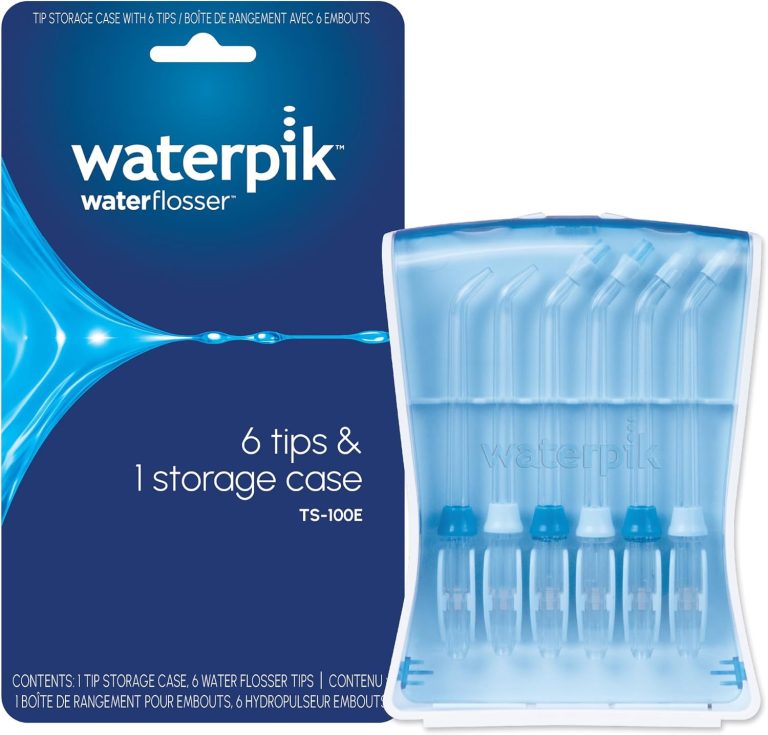
- Replacement tips, which most brands say to swap every 3 to 6 months.
- Tip variety packs if you have braces or implants.
- Occasional descaling if you have hard water.
- Counter space for the tank, which is bigger than you’d think.
How to Use One the Right Way
Using a water flosser wrong is the main reason people call it useless. Here’s the quick method.
Your First-Week Setup
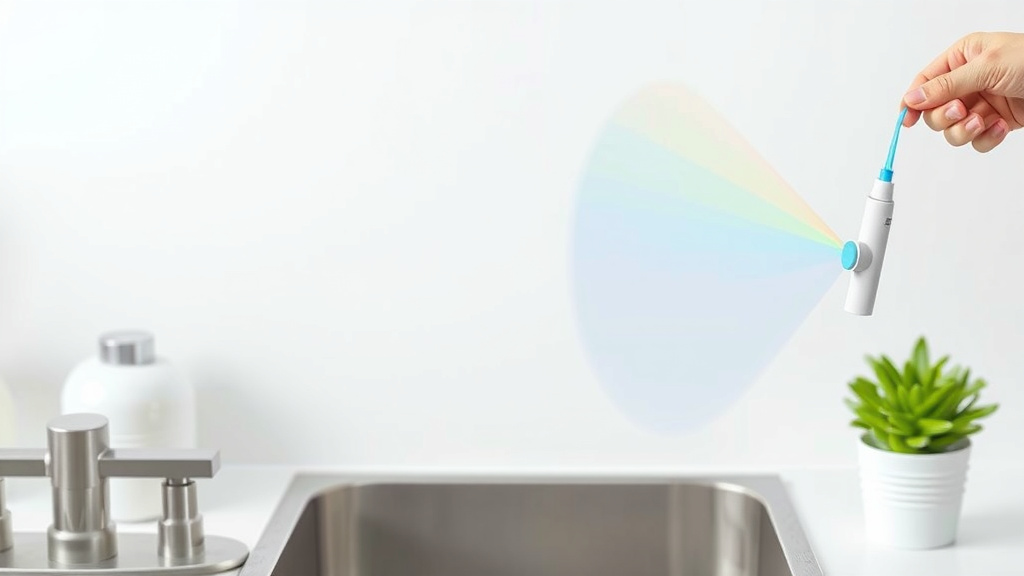
Start on the lowest pressure setting. Your gums need time to adjust, and blasting them on max on day one is how people end up spraying their bathroom mirror. Lean over the sink, lips slightly closed, and trace the gumline tooth by tooth.
A Quick Daily Checklist
- Fill the tank with warm water, not ice cold.
- Start at low pressure, then work up over a week.
- Aim the tip at the gumline, at a 90-degree angle.
- Pause briefly between each tooth, top and bottom.
- Use it over the sink to keep splashing contained.
- Clean the tank and tip weekly so it doesn’t get gross.
Common Beginner Mistakes
The big three: going too fast, using max pressure on day one, and aiming at the middle of the tooth instead of the gumline. Slow down, keep the tip angled at the gums, and let the water do the work. Two minutes is plenty.
The Bottom Line on Value
A water flosser is worth buying when it solves a real problem for you, like braces, gum trouble, or a genuine flossing aversion. It’s not worth buying if you already floss daily and have no complaints. Match the tool to your mouth and your habits, and you’ll spend your money well.
Conclusion
So, are water flossers worth buying? For most people, yes — especially if you have braces, implants, or sensitive gums, or if string floss just isn’t happening in your daily routine. They clean between teeth about as well as floss, and consistency beats technique every time. But if you already floss daily without drama, you can skip the gadget and keep your counter space. The real win is picking the tool you’ll actually use every night. Our advice? Try a budget-friendly corded model first. If it becomes part of your routine, upgrade later. If it collects dust, return it and grab some floss picks instead. If you want a shortcut, our picks for the top-rated water flossers cover budget and cordless options side by side.
Frequently Asked Questions
Can I use a water flosser with mouthwash instead of water?
You can, but we don’t recommend it as your everyday routine. Mouthwash is pricey to fill a tank with, and some brands say flavored rinses can leave residue that clogs the pump. If you want that fresh feeling, do a quick mouthwash rinse after your flosser session instead.
Do water flossers damage gums or enamel?
Not when you use them properly. Start on a low pressure setting and aim the tip along the gumline, not directly into the gum pocket. If your gums feel sore or recede after use, drop the pressure and check your technique. When in doubt, ask your hygienist at your next cleaning.
Can I share a water flosser with my family?
You can share the unit, but never share the tip. Most brands sell inexpensive color-coded tips so each person has their own. Just swap the tip, empty the tank between uses, and you’re good to go. It’s a handy setup for a bathroom with limited outlets.
Can I use a water flosser in the shower?
Cordless models can work in the shower, and some people love it because splashing doesn’t matter there. Just check that your model is rated for wet environments before you try it. Countertop models with cords and tanks need to stay plugged in near a sink, so those are a no-go.
How long does a water flosser last?
We found that most well-maintained units last several years, with some big-brand models running five or more. Regular tank cleaning and fresh tips go a long way. If yours starts losing pressure or leaking, that’s usually your cue to replace it rather than repair it.