Water Flossers: Do They Really Work for Better Oral Health
Yes, water flossers are generally good for your oral hygiene. They can effectively remove plaque and food particles that brushing alone might miss. Many people find them easier to use than traditional string floss, especially those with braces or dental work. We found that consistent use can lead to healthier gums.
When deciding if a water flosser is right for you, it’s helpful to understand how they work. A water flosser uses a stream of water to clean between your teeth and along your gumline. Research shows they can be a great addition to your routine, especially if you struggle with string floss. They aim to improve gum health and reduce gingivitis.
- Water flossers can be effective for cleaning.
- They are often simpler to use than string floss.
- They can help improve gum health.
- They are good for people with braces or implants. Our guide to the best electric water flosser can help you choose.
Let’s dive in and see if a water flosser is the right choice for your smile.
Do Water Flossers Really Work for Oral Health?
Yes, water flossers can be a fantastic tool for keeping your mouth clean. They work by using a targeted stream of water. This stream helps flush away food particles and plaque. We found that using one regularly can really make a difference. It’s like a mini power wash for your teeth and gums!
How Water Flossers Clean Your Teeth
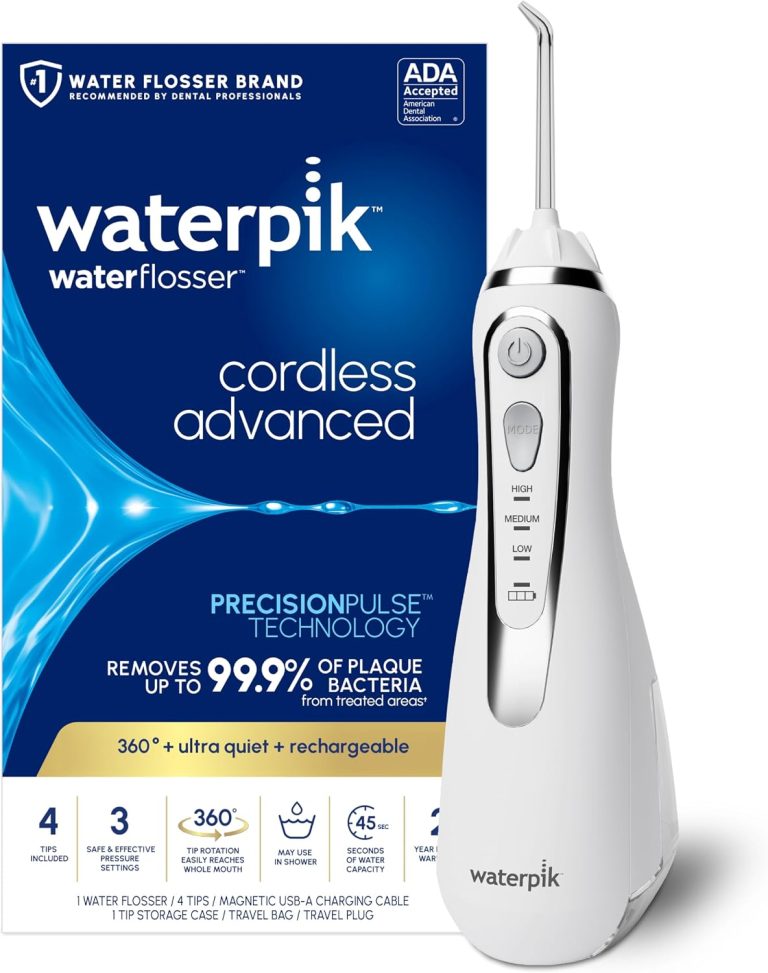
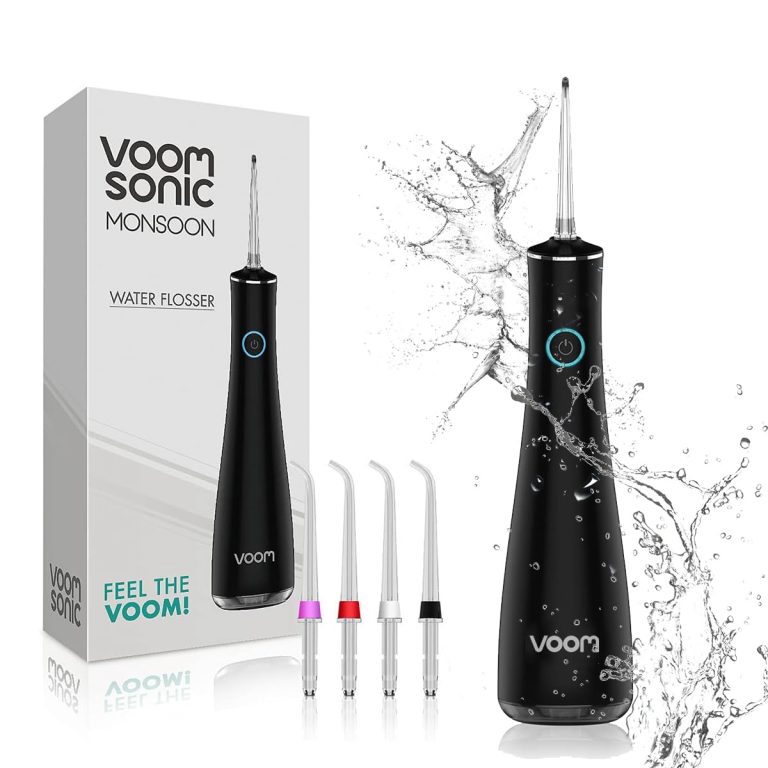
So, how does this water magic happen? A water flosser has a reservoir for water. You fill it up, and then a small pump sends water through a special tip. This creates a pulsing stream. You aim this stream at your teeth and gumline. The water pressure gently dislodges food and plaque. It’s designed to get into those tight spots where brushing misses.
The Technology Behind the Stream
Think of it like a tiny, controlled power washer for your mouth. The device allows you to adjust the water pressure. This means you can find a level that’s comfortable for you. Some models even offer different tips for various cleaning needs. We found this customization really helps users stick with it.
Comparing Water Flossers to Traditional Floss
Many people wonder how water flossers stack up against the classic string floss. It’s a fair question! Traditional floss has been around for ages. It’s effective when used correctly. But let’s be honest, sometimes string floss can be tricky to maneuver. Your fingers can get a little clumsy in there, right?
Ease of Use: The Water Flosser Advantage
This is where water flossers often shine. Many users find them much easier to handle. You don’t need as much dexterity. This is a big win for people with limited mobility or arthritis. It can also be a lifesaver if you have braces, bridges, or implants. Getting string floss around all those nooks and crannies can feel impossible.
Braces, Implants, and Beyond
If you have braces, you know how food loves to hide there. Water flossers can blast it away. They reach under wires and around brackets. Similarly, dental work like implants and crowns can create tricky areas. A water flosser can clean around these without snagging or causing damage. Many dental professionals recommend them for these specific situations (American Dental Association).
Effectiveness: What the Research Says
So, are they as effective as string floss? Research suggests they can be. Studies have shown that water flossers, when used with brushing, can significantly reduce plaque and gingivitis. One study found that water flossing removed up to 93% more plaque than brushing alone. While string floss is also highly effective, water flossers offer a different, often gentler, cleaning action. They are a great option for many people, especially those who find string flossing difficult.
| Feature | Water Flosser | String Floss |
|---|---|---|
| Ease of Use | Generally easier, especially with dental work. | Requires more manual dexterity. |
| Effectiveness | Good at removing plaque and food particles, especially in hard-to-reach areas. | Highly effective when used correctly. |
| Gingivitis Reduction | Studies show significant reduction. | Proven to reduce gingivitis. |
| Ideal For | Braces, implants, bridges, sensitive gums, difficulty with string floss. | General interdental cleaning for most users. |
Benefits of Incorporating a Water Flosser
Adding a water flosser to your routine can bring several benefits. Beyond just cleaner teeth, you might notice healthier gums. This is because water flossers can effectively clean along the gumline.
Healthier Gums and Reduced Gingivitis
Gingivitis, that early stage of gum disease, often starts between teeth and along the gums. Flossing helps remove the plaque that causes it. Water flossers do this by creating a pulsating action. This action can stimulate gum tissue and wash away bacteria. Many people report that their gums feel less inflamed and bleed less often after switching to or adding a water flosser.
Fresher Breath
Food particles and bacteria left behind are a major cause of bad breath. By effectively cleaning between your teeth and along your gumline, a water flosser removes these odor-causing culprits. You might find your breath stays fresher for longer throughout the day.
Who Benefits Most from Water Flossers?
While anyone can benefit, certain groups really see a big improvement. If you struggle with traditional flossing, this is your sign to consider it.
Individuals with Dental Work
As mentioned, braces, bridges, crowns, and implants create unique cleaning challenges. Water flossers are often a game-changer here. They can clean areas that are almost impossible to reach with string floss.
People with Limited Dexterity
Arthritis, carpal tunnel syndrome, or even just general difficulty with fine motor skills can make string flossing tough. A water flosser requires less precise hand movements. You simply guide the tip. This makes it a much more accessible option.
Those with Gum Sensitivity or Disease
If your gums are sensitive or you’re dealing with gum disease, the gentle yet effective cleaning of a water flosser can be very soothing. It cleans without the potential discomfort of scraping with string floss. Many dental professionals recommend them for managing periodontal health (Cleveland Clinic).
Making the Switch: Your Water Flossing Checklist
Thinking about trying a water flosser? Here’s a quick checklist to help you get started:
- Choose the Right Model: Look for features that suit your needs (reservoir size, pressure settings).
- Use Lukewarm Water: Cold water can be a shock!
- Start on Low Pressure: Gradually increase to a comfortable level.
- Aim at the Gumline: Focus the stream where teeth meet gums.
- Lean Over the Sink: Expect a little splash!
- Use Consistently: Aim for at least once a day for best results.
Conclusion
So, are water flossers good? The research and user experiences we’ve looked at suggest a resounding yes. They offer a powerful way to boost your oral hygiene, especially if you find traditional flossing challenging or have dental work. From better gum health to fresher breath, incorporating a water flosser can make a noticeable difference in your daily routine. Don’t just take our word for it; consider trying one to see how it can benefit your smile. Your dentist will thank you!
Frequently Asked Questions
Can a water flosser replace traditional string floss?
While a water flosser is highly effective, most dentists recommend using it in conjunction with brushing, and sometimes alongside string floss for maximum benefit. It excels at cleaning areas that are hard to reach with bristles alone, but string floss can sometimes remove plaque from the very base of the tooth more effectively.
How often should you use a water flosser?
For the best results, it’s recommended to use your water flosser at least once a day. Many people find it most effective to use it after brushing their teeth, to remove any loosened plaque and food particles that brushing might have missed.
Is water flossing painful for sensitive gums?
Water flossers are often less irritating than string floss for sensitive gums. You can control the water pressure, starting on a low setting and gradually increasing it as your gums get used to it. This gentle pulsing action can actually help stimulate your gums and improve their health over time.
Do water flossers use a lot of water?
Most standard water flossers come with a reservoir that holds enough water for about 60 to 90 seconds of use. This is typically sufficient for a single cleaning session. You might need to refill the reservoir once if you have a very thorough routine or a larger mouth.
Can water flossers help with bad breath?
Yes, absolutely! By effectively flushing out trapped food particles and bacteria from between your teeth and along the gumline, water flossers can significantly reduce the sources of bad breath. Healthier gums also contribute to fresher breath.