Are Water Floss Picks Actually Effective for Your Teeth
Yes, water floss picks can be a good addition to your oral hygiene routine. They offer an effective way to clean between your teeth and along the gumline. Many dental professionals find them especially helpful for people with braces, implants, or bridges. So, if you’re looking for an easier way to get those hard-to-reach spots, a water flosser might be your new best friend.
These devices use a stream of water to remove food particles and plaque. Unlike traditional floss, they can be gentler on your gums. We found that many users report a cleaner feeling mouth after switching. If you struggle with string floss, water flossing is a fantastic alternative. It can make maintaining a healthy smile feel less like a chore and more like a quick, refreshing step.
- Water flossers are good for cleaning between teeth.
- They can be gentler than string floss.
- Great for braces, implants, and bridges.
- They remove food particles and plaque effectively.
- A good alternative for those who dislike string floss.
Ready to dive deeper? Let’s walk through exactly how water floss picks work and if they’re the right fit for your daily dental care.
Are Water Floss Picks Worth Your Time?
If you’re wondering if water floss picks are a good choice for your smile, the short answer is often yes! We’ve found that these devices can be a fantastic tool for improving your oral hygiene. They help clear away debris and plaque from those tricky spots. Many people find them easier to use than traditional string floss.
Think of them as a high-tech showerhead for your mouth. They spray a targeted stream of water. This water gets into nooks and crannies that toothbrushes and even string floss might miss. Research has shown they are effective at removing plaque and reducing gingivitis (Cleveland Clinic).
How Do Water Flossers Actually Work?
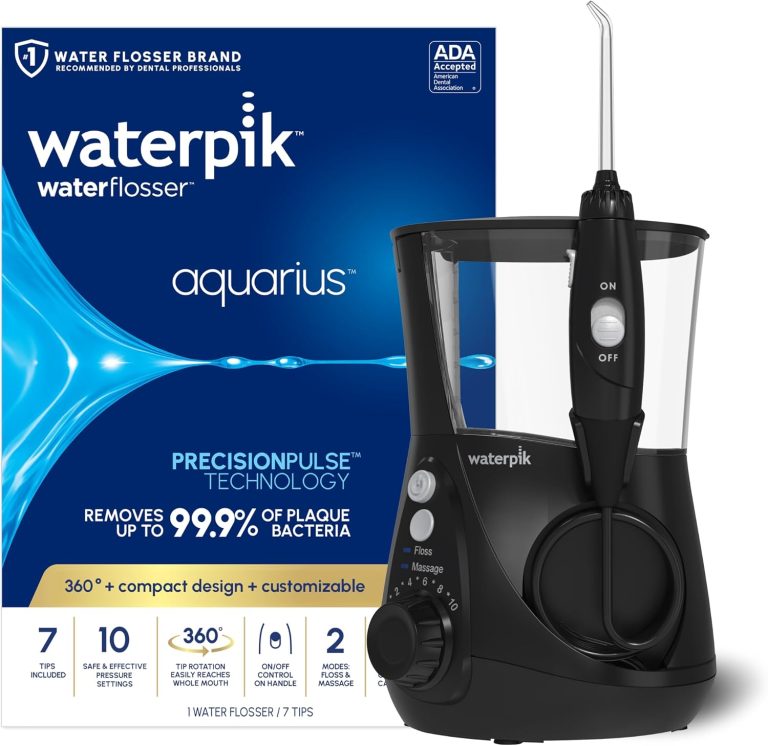
Water flossers, also called oral irrigators, work by using a pressurized stream of water. You fill a reservoir with water, or sometimes an antimicrobial rinse. Then, you select a tip and power setting. You aim the tip at your gumline. When you turn it on, a pulsing jet of water shoots out. This stream blasts away food particles and loose plaque.
The pulsing action is key. It’s not just a steady stream. This pulsing helps to dislodge debris more effectively. It also provides a gentle gum massage. Many users report their gums feel healthier and less irritated after regular use.
The Technology Behind the Stream
Inside the unit, a small pump creates the pressure. This pump forces the water through a tube to the handpiece. The tips come in various styles. Some are thin and pointed for precise cleaning. Others are flatter for cleaning around braces. The water is expelled at a rate that’s strong enough to clean but gentle enough not to cause damage.
Who Benefits Most from Water Flossing?
While anyone can benefit, water flossers are particularly helpful for certain groups. If you have dental work, they can be a lifesaver. Braces, bridges, crowns, and dental implants create extra places for food to hide. Regular floss can be difficult or impossible to use effectively around these.
People with Braces
Cleaning around the wires and brackets of braces is a challenge. Water flossers can easily reach under the archwire. They can flush out food particles trapped by the braces. This helps prevent cavities and gum inflammation around the orthodontic hardware.
Individuals with Implants, Bridges, or Crowns
These dental restorations can create tight spaces. Food and plaque can accumulate where the restoration meets the gum or tooth. A water flosser can clean these areas without damaging the restorations. It’s like having a tiny pressure washer for your smile!
Those with Gum Disease or Receding Gums
If you have gingivitis or periodontitis, your gums may be sensitive. Traditional floss can sometimes cause bleeding or further irritation. Water flossing can clean effectively while being gentler on inflamed gum tissue. Many dental professionals recommend it for managing gum health.
People Who Dislike Traditional Flossing
Let’s be honest, some people just don’t enjoy using string floss. It can be fiddly, awkward, and sometimes leads to cut fingers. If this sounds like you, a water flosser offers a more pleasant experience. It still gets your teeth clean, but with less effort and discomfort.
Comparing Water Flossers to Traditional Floss
It’s not really an “either/or” situation. Many dental experts suggest using both for the best results. Traditional floss is excellent at scraping plaque directly off the tooth surface. Water flossers are superb at flushing out debris from between teeth and below the gumline. They complement each other.
Here’s a quick look at how they stack up:
| Feature | Water Flosser | Traditional Floss |
|---|---|---|
| Ease of Use | Generally easier, especially with dental work | Requires manual dexterity, can be tricky |
| Plaque Removal | Effective at flushing debris, good for gums | Excellent for scraping plaque off surfaces |
| Gum Sensitivity | Often gentler, can be soothing | Can sometimes cause irritation or bleeding |
| Reach | Excellent for hard-to-reach areas (braces, implants) | Good for surfaces, harder for deep pockets or around hardware |
| Messiness | Can be a bit messy initially, requires sink access | Generally less messy |
Tips for Getting Started with Water Flossing
Ready to give it a try? Here are some quick tips to make the transition smooth:
- Start on the lowest setting.
- Lean over the sink.
- Aim the water stream at the gumline.
- Close your lips slightly around the tip.
- Don’t forget to clean your reservoir regularly.
It might feel a little strange at first. You might even spray a bit of water outside the sink! But you’ll quickly get the hang of it. Most people find they don’t want to go back once they experience that super clean feeling.
Conclusion
So, are water floss picks good? The answer is a resounding yes, especially if you’re looking for a more effective or comfortable way to clean between your teeth and along your gumline. We’ve seen how they excel at flushing out debris, particularly for those with braces, implants, or sensitive gums. While they might not replace traditional floss entirely for some, they offer a fantastic alternative and a great way to enhance your daily routine. Your smile will thank you for giving this modern approach a try.
Ready to experience that deep clean feeling? Consider adding a water flosser to your bathroom counter. It’s a simple step that can make a big difference in your oral health.
Frequently Asked Questions
Can a water flosser really replace string floss?
Many dental professionals suggest that water flossers work best as a complement to traditional floss, not a complete replacement. While water flossers are excellent at flushing out debris and cleaning along the gumline, string floss is often better at scraping plaque directly off the tooth’s surface. Using both can give you the most thorough clean.
Is it messy to use a water flosser for the first time?
It can be a little messy when you’re first getting the hang of it! The key is to lean over your sink and aim the water stream directly at your gumline. Try to close your lips loosely around the tip to prevent excess water from spraying out. Most people find they get used to it very quickly.
How often should I use a water flosser?
You can use a water flosser once a day, just like traditional floss. Many people prefer to use it after brushing their teeth. This ensures that any loosened plaque and food particles are thoroughly flushed away. Consistency is key for maintaining good oral hygiene.
Can I use mouthwash in my water flosser?
Yes, you can often use mouthwash or an antimicrobial rinse in your water flosser’s reservoir, but check your specific model’s instructions first. Using a rinse can add an extra layer of freshness and help fight bacteria. Just be sure to rinse the reservoir thoroughly afterward to keep it clean.
Are water flossers good for people with sensitive gums?
Absolutely! Water flossers are often recommended for individuals with sensitive gums. The pulsing stream of water can be much gentler than string floss, which can sometimes cause irritation or bleeding. You can also adjust the pressure setting to ensure a comfortable experience while still effectively cleaning.