Water Flossing Safety: What You Need to Know
Yes, water flossers are safe for most people to use. They are a gentle and effective way to clean your teeth and gums. Many dental professionals recommend them. You don’t need to worry about them causing harm when used correctly.
Water flossing offers a fantastic alternative for those who find traditional string floss tricky. It can help remove food particles and plaque from hard-to-reach areas. Plus, it can be a real lifesaver for people with braces or dental work, making oral hygiene much simpler and more comfortable for everyday use.
- Water flossers are generally safe for daily use.
- They help remove plaque and food particles effectively.
- They can be especially helpful for people with braces or dental implants.
- Always follow manufacturer instructions for best results.
We’ve gathered information to help you understand if a water flosser is the right choice for your smile. Let’s dive into the details and see what makes them so popular.
Is Using a Water Flosser Safe for Your Gums?
You’re probably wondering if water flossers are safe for your mouth. The answer is a resounding yes for most people! They are designed to be gentle yet effective. You can use them daily without worry when you follow the instructions.
Think of it like a gentle shower for your teeth. It helps wash away the gunk. Many dental professionals are on board with water flossers. They see the benefits firsthand. It’s a great tool to add to your oral hygiene routine.
How Water Flossers Work Safely
Water flossers use a stream of water. This stream pulses to clean between your teeth. It also cleans along your gum line. This action can remove food bits and plaque effectively. It’s like a mini power wash for your mouth.
Unlike string floss, there’s no risk of cutting your gums. The water stream is controlled. You can adjust the pressure too. This makes it a safer option for many. It’s especially good if your gums are a bit sensitive.
Understanding the Safety Features
Most water flossers come with different pressure settings. You can start on a low setting. Then, you can gradually increase it. This allows your gums to get used to the sensation. It’s all about finding what feels comfortable for you.
The tips are usually made of smooth plastic. They aren’t abrasive. They are designed to glide. They can reach areas that are hard to access with regular floss. This means a cleaner mouth with less effort.
Who Benefits Most from Water Flossing Safely?
Water flossers are a dream come true for some folks. If you have braces, you know how tricky it is to clean around the wires. A water flosser makes it so much easier. It can get into all those nooks and crannies. This helps prevent food from getting stuck.
People with dental work also find them incredibly useful. This includes crowns, bridges, and implants. Cleaning around these can be tough. Water flossers provide a simple way to ensure they stay clean. This helps keep your gums healthy around them.
Braces and Other Orthodontic Appliances
Having braces can sometimes feel like a food trap. Traditional floss can snag on the brackets. It can be a frustrating process. Water flossers offer a faster, more thorough cleaning. They don’t snag. They simply blast away debris.
You can direct the water stream precisely. This is key for cleaning around brackets and wires. It’s a game-changer for maintaining good oral health during orthodontic treatment. Your orthodontist will likely thank you!
Dental Implants and Restorations
Dental implants are amazing. But keeping the area around them clean is vital. It helps prevent peri-implantitis, an inflammation. Water flossers are excellent for this. They clean gently but effectively.
Similarly, bridges and crowns need good care. Food particles can hide underneath them. A water flosser can flush these out. This helps maintain the longevity of your dental work. It keeps your gums happy too.
People with Limited Dexterity
Sometimes, the physical act of string flossing can be difficult. This might be due to arthritis or other conditions. Water flossers require less manual dexterity. You just need to guide the tip. This makes them an accessible option for many.
The ease of use is a big plus. It allows more people to maintain their oral hygiene effectively. It’s about making dental care work for everyone.
Are There Any Downsides to Water Flossing?
While generally safe, there are a few things to keep in mind. Some people might find the initial sensation a bit strange. It takes a little getting used to. But most adapt quickly.
Also, water flossers are not a complete replacement for brushing. They are a wonderful addition to your routine. They work best alongside regular brushing. Think of them as a powerful partner.
Potential for Messiness
Let’s be honest, water flossing can be a bit messy at first. Water can splash. You might get a little wet. It’s helpful to lean over the sink. Some people even do it in the shower.
It’s a small price to pay for cleaner teeth. With practice, you’ll get better at controlling the water. You’ll become a water flossing pro in no time.
Not a Substitute for Brushing
It’s super important to remember this. Water flossers clean between teeth and along the gumline. They don’t scrub the surfaces of your teeth. That’s where your toothbrush comes in. Brushing removes plaque and food debris from the tooth surfaces.
For the best oral health, combine brushing with water flossing. You’ll get a much more complete clean. This two-pronged approach is fantastic for your smile.
Choosing the Right Water Flosser for You
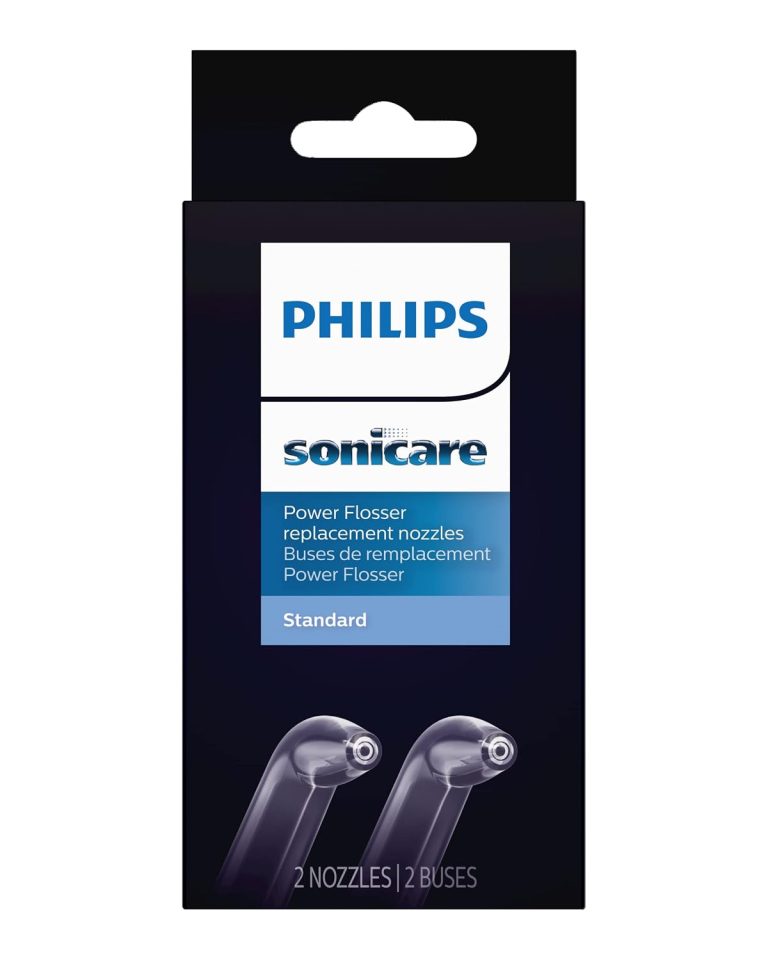
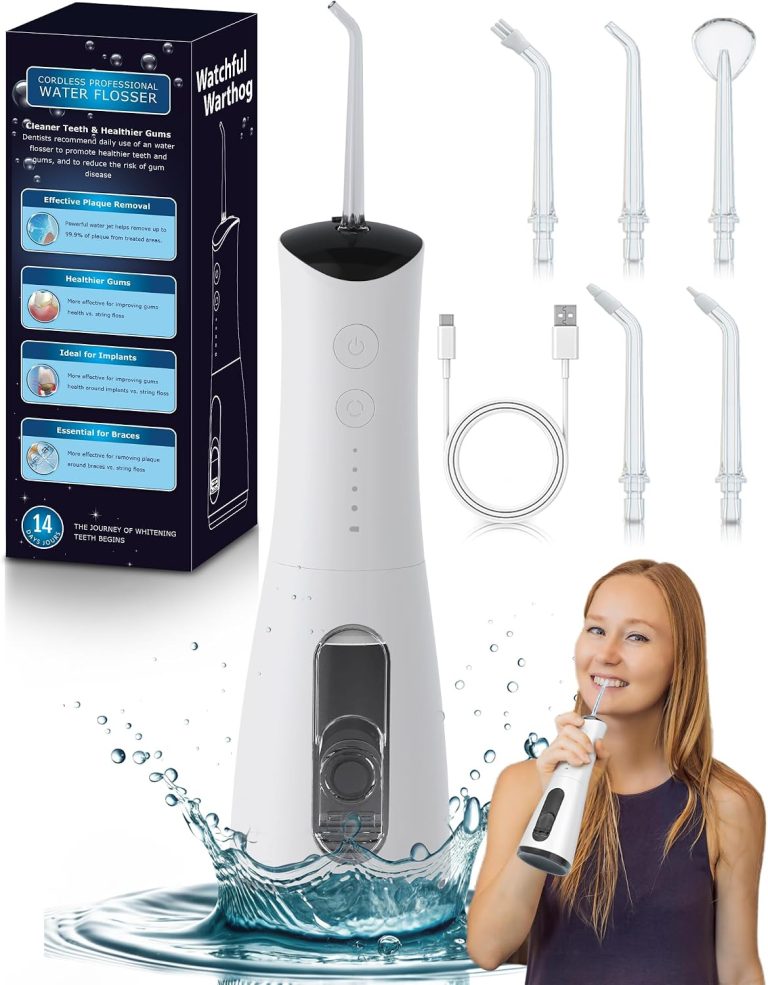
There are many brands and models available. Some are cordless, some are countertop. Some have travel cases. Think about your needs. Do you travel a lot? Do you have limited counter space?
Consider the tank size. Larger tanks mean longer use time. Look at the tip options too. Some come with specialized tips. This helps you choose the best fit for your mouth.
Using Your Water Flosser Correctly
Always read the manual! Every water flosser is a little different. Fill the reservoir with lukewarm water. Place the tip in your mouth before turning it on. This prevents a surprise spray.
Lean over the sink. Close your lips slightly around the tip. This helps prevent splashing. Aim the water stream at the gum line. Gently trace along it. Pause between teeth. Do this for both the front and back of your teeth.
Here’s a quick checklist for safe and effective water flossing:
- Start with the lowest pressure setting.
- Use lukewarm water.
- Lean over the sink.
- Aim the water at the gum line.
- Pause briefly between teeth.
- Follow the manufacturer’s instructions.
Many dental experts agree that water flossers are a safe and beneficial tool. They can truly enhance your oral hygiene. It’s about finding the right tools for your unique needs. And using them correctly is key to unlocking their full potential. So, go ahead and give it a try!
Conclusion
You’ve learned that water flossers are a safe and effective addition to your oral care routine. They offer a gentle way to clean between teeth and along the gumline, especially beneficial for those with braces, implants, or dexterity issues. While they can be a little messy at first, practice makes perfect. Remember, water flossing works best when combined with regular brushing. Your next step? Consider discussing water flossers with your dentist to see if they’re the right fit for your smile. They can help you choose the best model and technique for optimal oral health.
Frequently Asked Questions
Can using a water flosser hurt my gums?
Water flossers are designed to be gentle. When you use them correctly and start on a low pressure setting, they shouldn’t hurt your gums. You can gradually increase the pressure as your gums become accustomed to it.
Is it okay to use mouthwash in my water flosser?
Some water flossers allow you to use mouthwash, but always check your manufacturer’s instructions first. Using the wrong solution can damage the device. It’s generally recommended to use plain, lukewarm water for optimal cleaning and device longevity.
How often should I water floss?
Most dentists recommend water flossing once a day, just like traditional flossing. This frequency helps effectively remove plaque and food particles from between your teeth and along your gum line, contributing to better overall oral hygiene.
Can I use a water flosser if I have sensitive teeth?
Yes, water flossers can be a great option for people with sensitive teeth. The water stream is generally less abrasive than string floss. You can use the lowest pressure setting and lukewarm water to ensure a comfortable experience.
Do water flossers remove plaque as well as string floss?
Research shows water flossers are very effective at removing plaque and food particles, especially in hard-to-reach areas. While they don’t replace brushing, they are considered a highly effective tool for interdental cleaning when used consistently alongside brushing.