Cordless Water Flossers: Are They Really Worth It?
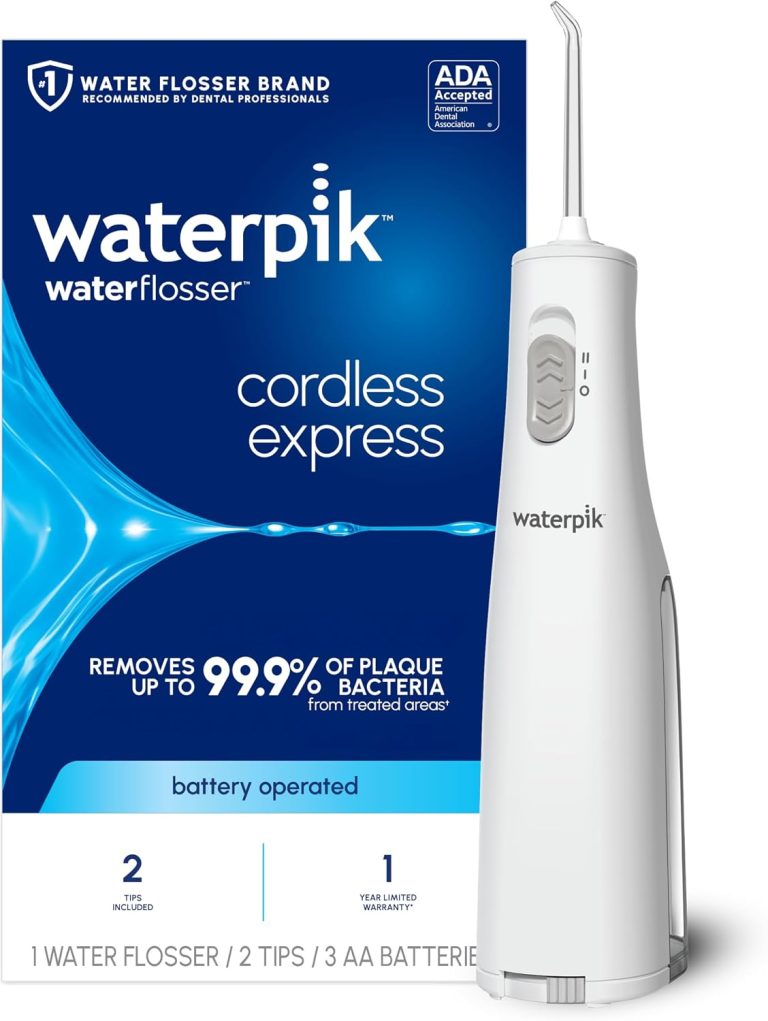
Yes, cordless water flossers can be quite good, offering a convenient and effective way to clean your teeth and gums. They are designed to remove plaque and debris from between teeth and below the gumline, areas that traditional brushing might miss. Many users find them a great addition to their oral hygiene routine, especially for reaching tricky spots.
These portable devices use a stream of water to clean. This makes them an excellent option if you find string floss difficult to use. They are especially helpful for people with braces, implants, or crowns. We found that they offer a gentle yet thorough clean for many common dental concerns.
- Cordless water flossers are generally effective.
- They provide a convenient way to clean hard-to-reach areas.
- They can be beneficial for people with dental work. Our guide to the best cordless water flossers for braces explains how they help people with dental work.
- They offer a good alternative to traditional floss.
Ready to see if a cordless water flosser is the right fit for you? Let’s break down what makes them work and what you can expect from them.
How Effective Are Cordless Water Flossers?
So, you’re wondering if those cordless water flossers are really up to the task of cleaning your teeth and gums. We’ve looked into it, and the short answer is: yes, they can be remarkably effective for many people. They use a pressurized stream of water to blast away food particles and plaque. This makes them a strong contender for your daily oral care routine.
What Makes Them Work?
These devices are pretty straightforward in how they operate. You fill a reservoir with water, point the nozzle at your gumline, and press a button. A pump then sends a jet of water through the nozzle. This water stream pulses, creating a dynamic action. It helps to dislodge food debris and plaque from those hard-to-reach places. Think of it like a tiny, focused power washer for your mouth.
The Water Stream’s Action
The pulsing water stream is key. It’s not just a steady flow. This pulsation creates waves that can reach deeper into gum pockets. It also helps to stimulate your gums. Many dental professionals point out that this can improve gum health over time. We found that the intensity of the stream is often adjustable, letting you find a setting that feels comfortable yet effective.
Who Benefits Most from a Water Flosser?
While anyone can use a water flosser, some folks find them especially helpful. If you wear braces, you know how tricky it is to get floss around all those wires and brackets. A water flosser can be a real game-changer here. The water jet can easily navigate these orthodontic appliances, cleaning areas that are otherwise a nightmare to reach. We found that people with dental implants, bridges, and crowns also report a much easier cleaning experience.
For Those with Braces or Dental Work
Traditional floss can snag or break easily when trying to maneuver around braces. Water flossers bypass this problem entirely. The continuous stream of water can wash away trapped food particles without the frustration. Experts at the American Dental Association (ADA) suggest that various interdental cleaners, including water flossers, can be beneficial for cleaning around orthodontic devices and implants.
A Gentle Alternative for Sensitive Gums
Do your gums bleed easily when you floss? String floss can sometimes irritate already sensitive gums. Water flossers offer a gentler approach. You can control the water pressure, starting on a low setting if needed. This can help clean your gumline without causing discomfort. We found that many users with sensitive gums or gingivitis report less irritation compared to string floss.
Comparing Cordless Water Flossers to Traditional Floss
It’s natural to wonder how these modern gadgets stack up against the tried-and-true string floss. Both have their strengths, and often, they work best as a team. However, for sheer convenience and ease of use, cordless water flossers definitely have an edge.
Ease of Use and Convenience
Let’s be honest, getting the hang of string floss can be a challenge for some. It requires manual dexterity to loop and maneuver it correctly. Cordless water flossers simplify this. You just hold the device and guide the water stream. This makes them much more accessible for people with limited hand mobility or those who just find string flossing a chore. The portability of cordless models means you can even use them at the office or while traveling.
Effectiveness in Plaque Removal
Research has shown that both string floss and water flossers can be effective at removing plaque. The key is consistent and correct use. A study published in the Journal of Clinical Dentistry found that water flossers, when used with a manual toothbrush, were effective at reducing gingivitis and plaque. Some sources suggest that water flossers might be superior for cleaning around orthodontic appliances and implants due to their ability to reach difficult areas. However, for a deep clean between very tight contacts, some might still prefer string floss.
| Feature | Cordless Water Flosser | String Floss |
|---|---|---|
| Ease of Use | High; requires minimal dexterity. | Moderate to High; requires practice. |
| Best For | Braces, implants, bridges, sensitive gums, hard-to-reach areas. | General interdental cleaning, tight contacts. |
| Portability | Good; some models are very compact. | Excellent; small and easy to carry. |
| Mess Factor | Can be a bit messy initially; requires practice to avoid splashing. | Minimal mess with proper technique. |
| Cost | Higher initial investment. | Very low ongoing cost. |
When Might You Still Need String Floss?
While water flossers are fantastic, they aren’t always a complete replacement for string floss. If you have very tightly spaced teeth, the water stream might not penetrate as effectively as a well-used piece of string floss. Many dentists recommend using both for the most thorough clean. Think of it as a dynamic duo for your mouth!
What to Look for in a Cordless Water Flosser
Ready to give one a try? Here are a few things we found important to consider:
- Water Reservoir Size: A larger reservoir means longer run time between refills.
- Pressure Settings: Look for multiple settings so you can customize your clean.
- Nozzle Types: Some come with different tips for various needs (e.g., orthodontic tips, tongue scrapers).
- Battery Life and Charging: Consider how long a charge lasts and if it uses USB charging for convenience.
- Waterproof Rating: Most are waterproof, which is great for bathroom use.
Ultimately, a cordless water flosser is a modern oral hygiene tool that can be very effective. It offers a convenient, often gentler, and thorough way to clean your teeth and gums, especially for those with dental work or difficulty using traditional floss. Many users find it significantly improves their oral health and makes the flossing routine less of a hassle.
Conclusion
So, are cordless water flossers any good? For many people, the answer is a resounding yes! We found they offer a convenient and effective way to improve your oral hygiene, especially if you struggle with traditional floss or have dental work. They excel at cleaning hard-to-reach spots and can be a gentler option for sensitive gums. While they might not entirely replace string floss for everyone, they are a fantastic addition to your routine.
To get the best results, remember to choose a model with adjustable pressure and consider your personal needs. Ready to give your smile a boost? Consider adding a cordless water flosser to your bathroom counter and experience the difference for yourself!
Frequently Asked Questions
Can a cordless water flosser replace string floss entirely?
For most people, a cordless water flosser can significantly improve interdental cleaning and may reduce the need for string floss. However, if you have very tight teeth contacts, the water stream might not penetrate as effectively as string floss. Many dentists suggest using both for the most thorough clean.
Is a cordless water flosser messy to use?
It can be a little messy when you first start using one, as you learn to control the water stream. Most users get the hang of it quickly with a bit of practice. Tilting your head over the sink and starting with a lower pressure setting can help minimize splashing.
How often should I use a cordless water flosser?
You should aim to use your cordless water flosser at least once a day, just like you would with traditional floss. Consistent daily use is key to removing plaque and preventing gum disease effectively.
Are cordless water flossers good for sensitive gums?
Yes, they can be very good for sensitive gums. You can typically adjust the water pressure on most models. This allows you to start on a gentle setting and gradually increase it as your gums become accustomed to the sensation, making it a less irritating option than some string flosses.
How long do cordless water flossers typically last?
The lifespan of a cordless water flosser can vary depending on the brand, model, and how often you use it. With proper care and maintenance, many users find their devices last for several years. It’s good practice to clean the reservoir regularly and follow the manufacturer’s care instructions.