Dental Water Flossers: Are They Really Worth It
Yes, dental water flossers can be very good at improving your oral hygiene. Many people find they are a fantastic addition to their brushing routine. They help remove plaque and food particles that brushing alone might miss, especially from hard-to-reach areas.
If you’re wondering if they’re worth the hype, you’re not alone. We’ve looked into what makes them work and how they compare to traditional flossing. Many dental professionals agree that incorporating a water flosser can lead to healthier gums and a cleaner mouth overall.
- Water flossers help clean between teeth.
- They can be easier to use than string floss for some people.
- Regular use may improve gum health.
- They are a great option for braces or dental work. They are a great option for braces or dental work; our guide to the best water flossers for braces can help you choose.
So, are they a good idea for you? Let’s dive in and find out if a water flosser is the right choice for your smile.
What’s the Deal with Dental Water Flossers?
So, you’re curious if a water flosser is really worth adding to your bathroom routine. We get it! The idea of using a stream of water to clean your teeth sounds a bit sci-fi, but many people are finding it’s a genuinely effective way to boost their oral health.
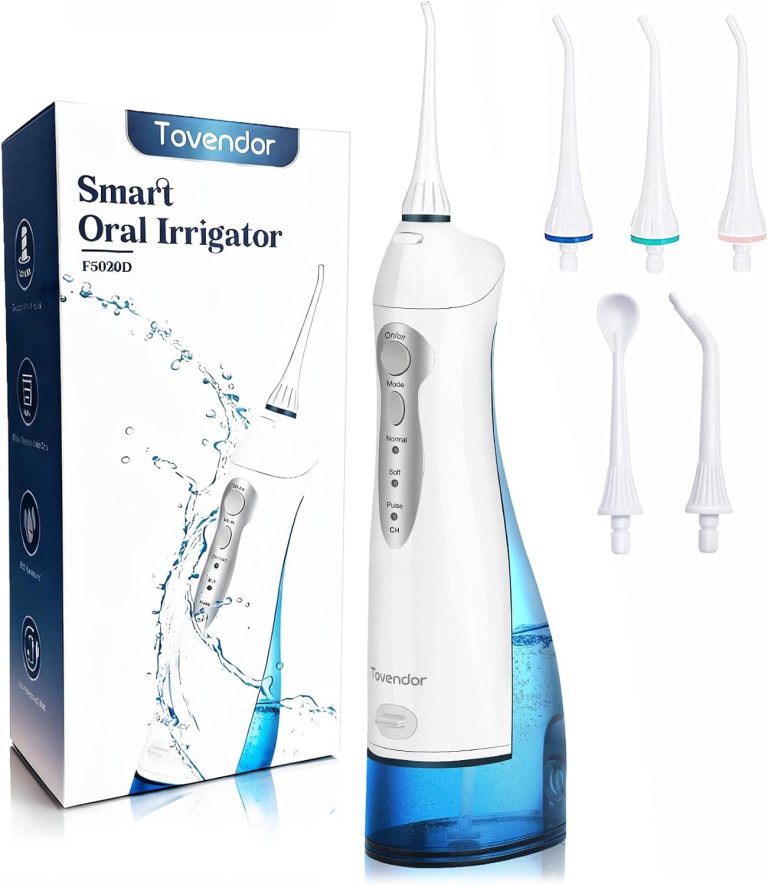
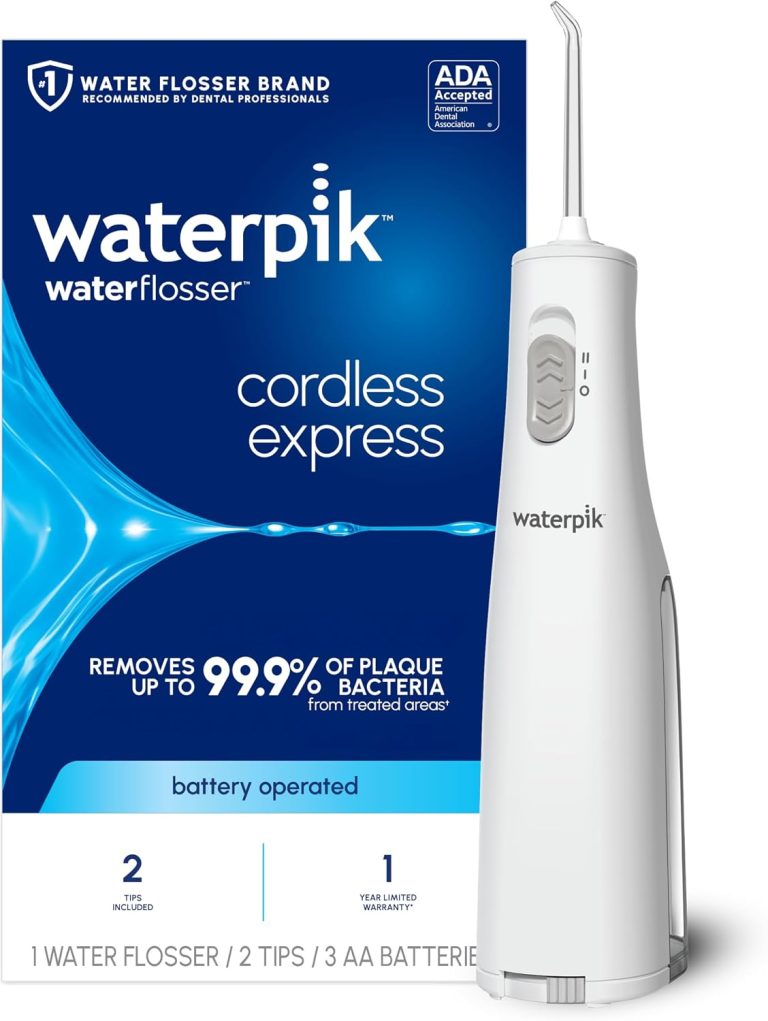
Essentially, a water flosser shoots a targeted stream of water between your teeth and along your gumline. This helps to dislodge food particles and plaque that brushing might miss. Think of it as a power wash for your mouth!
How Do Water Flossers Actually Work?
The magic is in the pulse. Water flossers use a pump to create a pulsating stream of water. This pulsing action is what helps to effectively clean those tricky spots. The pressure can be adjusted, too, making it comfortable for most users.
The water then flushes away loosened debris. It’s a pretty straightforward process, but the results can be quite noticeable for your oral hygiene.
Pressure Settings for Comfort
Most water flossers come with adjustable pressure settings. This is a big deal! If you have sensitive gums or you’re new to water flossing, you can start with a gentle stream. As you get used to it, you can increase the pressure for a more thorough clean.
Finding the right setting makes the experience much more pleasant. It ensures you get a good clean without causing any discomfort.
Water Flossing vs. Traditional String Floss: What’s the Difference?
This is where many people get hung up. Is water flossing just a fancy, more expensive version of string floss? Well, not exactly. Both have their strengths.
String floss is excellent at scraping plaque directly off the tooth surface. It requires a bit more dexterity. Water flossing excels at flushing out debris from between teeth and pockets along the gumline. Many dental professionals see them as complementary tools.
| Feature | String Floss | Water Flosser |
|---|---|---|
| Primary Action | Scraping plaque | Flushing debris and plaque |
| Ease of Use | Requires manual dexterity | Often easier for those with braces, implants, or limited mobility |
| Target Areas | Direct tooth surface contact | Between teeth, gumline, hard-to-reach areas |
| Pressure Control | User-controlled | Adjustable settings |
Who Benefits Most from Water Flossers?
While anyone can benefit, some groups find water flossers particularly helpful. If you have braces, bridges, crowns, or dental implants, traditional floss can be a real challenge to maneuver. Water flossers can get into these areas with much less hassle.
People with arthritis or other dexterity issues also report that water flossers are a lifesaver. It makes maintaining good oral hygiene much more achievable.
Research from sources like the American Dental Association (ADA) suggests that effective plaque removal is key, and water flossers can help achieve this, especially for those who struggle with traditional methods (ADA).
Are Water Flossers Effective for Gum Health?
Yes, many studies show a positive impact on gum health. By regularly removing plaque and food particles from along and just below the gumline, water flossers can help reduce gingivitis. Gingivitis is the early stage of gum disease.
When plaque builds up, it irritates your gums, leading to redness, swelling, and bleeding. Water flossers help disrupt this buildup. Many find their gums feel healthier and less prone to bleeding after using them consistently.
A review published in the Journal of Clinical Dentistry found that water flossers, when used with brushing, were effective in reducing gingival inflammation and bleeding (Journal of Clinical Dentistry).
Preventing Gum Disease with Water Flossers
Gum disease is a serious issue that can lead to tooth loss. Keeping your gums clean is your first line of defense. Water flossers offer a thorough way to clean the areas where bacteria love to hide.
By making it easier to clean effectively every day, water flossers can be a powerful tool in your fight against gum disease. It’s about consistency and reaching those places your toothbrush just can’t.
What to Consider Before Buying
Ready to take the plunge? There are a few things to keep in mind. Water flossers vary in price and features.
- Reservoir Size: Larger tanks mean you can floss for longer without refilling.
- Tip Attachments: Some come with various tips for different cleaning needs.
- Portability: Some are countertop models, while others are smaller and portable.
- Noise Level: They can be a bit noisy, so check reviews if that’s a concern.
Think about how you plan to use it and what features are most important for your daily routine. You want something that fits comfortably into your life.
Making the Most of Your Water Flosser: A Quick Checklist
To get the best results, here’s a simple guide:
- Brush First: Always brush your teeth thoroughly before water flossing.
- Use Warm Water: It makes the experience much more comfortable.
- Lean Over Sink: This helps prevent water from splashing everywhere.
- Start Low: Begin with the lowest pressure setting, especially when you’re new to it.
- Angle the Tip: Aim the tip at a 90-degree angle to your gumline.
- Follow Gumline: Move the tip slowly along your gumline, pausing between each tooth.
Following these steps will help you get a deep clean and make your water flossing experience much more effective and enjoyable.
Conclusion
So, are dental water flossers good? Based on what we’ve looked at, the answer is a clear yes for many people. They offer a powerful way to boost your daily oral care routine. Water flossers effectively remove plaque and food debris, especially in hard-to-reach spots. They can be especially helpful if you have dental work or struggle with traditional flossing. Consider trying one to see if it makes a difference in your gum health and overall cleanliness. Your smile will thank you!
Frequently Asked Questions
How long does it take to get used to water flossing?
Most people adjust to water flossing within a week or two. It’s a good idea to start with the lowest pressure setting. This helps you get comfortable with the sensation. Gradually increasing the pressure as you feel more confident will make the experience pleasant.
Can I use mouthwash in my water flosser?
Some water flossers are designed to be used with mouthwash, while others are not. Always check your manufacturer’s instructions before adding anything other than water. Using the wrong liquid can damage the device. Sticking to plain water is often the safest bet.
Will a water flosser replace brushing my teeth?
No, a water flosser is not a replacement for brushing. It’s an addition to your oral hygiene routine. Brushing removes plaque from tooth surfaces. Water flossing cleans between teeth and along the gumline. You should always brush your teeth twice a day and floss once daily.
Are water flossers safe for sensitive gums?
Yes, water flossers can be very safe for sensitive gums. Most models have adjustable pressure settings. You can start with a very gentle stream. This helps clean without causing irritation or discomfort. Many users with sensitive gums find them much easier than string floss.
How often should I clean my water flosser?
It’s best to clean your water flosser regularly. Rinse the reservoir after each use. Wipe down the unit periodically. This helps prevent mineral buildup and keeps the device hygienic. Follow the manufacturer’s cleaning guidelines for best results.