Water Flossers: Are They Really Effective for Dental Health
Yes, water dental flossers are good tools for cleaning your teeth. They can be especially helpful for people who find traditional floss difficult to use. Many dental professionals agree they can effectively remove plaque and debris. They offer a gentler alternative for some users.
These devices use a stream of water to clean between your teeth and along your gumline. This can reach areas that a toothbrush might miss. They are a great addition to your oral hygiene routine, helping to improve gum health. They can also be useful for cleaning around braces or implants.
- Water flossers can be effective for cleaning.
- They are often easier to use than string floss for some.
- They help remove plaque and food particles.
- Can be beneficial for those with braces or implants.
- They are a good addition to your routine.
Let’s dive in and see if a water flosser is the right choice for your smile.
Are Water Dental Flossers Truly Effective?
So, you’re curious about water flossers. You’ve seen them around, and maybe you’re wondering if they’re just another gadget or if they actually work. We’ve looked into it, and the answer is a resounding yes! Water flossers can be highly effective for cleaning your teeth and gums.
They use a targeted stream of water to wash away food particles and plaque. This method is often gentler than string floss. Many dental professionals recommend them as part of a complete oral care routine (Cleveland Clinic).
How Do Water Flossers Actually Work?
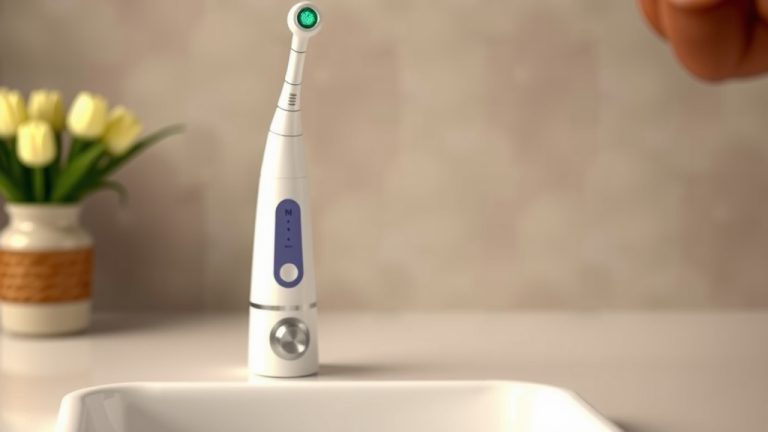
Think of a water flosser like a mini pressure washer for your mouth. It has a reservoir for water, a pump, and a special tip. You fill the reservoir, choose your pressure setting, and aim the tip. The device then shoots a pulsating stream of water with surprising force.
This water stream is designed to get into those tight spaces between your teeth and just below the gumline. It flushes out food bits and loose plaque that brushing might miss. It’s a simple yet powerful way to clean.
The Mechanics of a Good Clean
The magic is in the combination of pressure and pulsation. The water isn’t just a gentle rinse. It actively dislodges debris. Many devices offer adjustable pressure settings, so you can customize the intensity. This means you can find a level that’s comfortable for you.
We found that using a water flosser can lead to a noticeably cleaner feeling. It’s a satisfying part of a daily routine that helps maintain oral health.
Who Benefits Most from Water Flossing?
While anyone can benefit from better cleaning, some groups find water flossers particularly useful. If you’ve ever struggled with traditional floss, you might find this easier.
Navigating the String Floss Challenge
Let’s be honest, string floss can be tricky. Getting it around back teeth or maneuvering it through tight spaces takes practice. For some, it can even cause nicks or cuts to the gums if not done carefully.
Water flossers offer a simpler technique. You just guide the tip along your gumline and between your teeth. This makes it a fantastic option for those with limited dexterity or who find string floss frustrating. Many users report less gum irritation.
Appliances and Dental Work: A Game Changer
If you have braces, bridges, implants, or crowns, cleaning can become a whole new adventure. Food particles love to hide in and around these devices. Traditional floss can snag or be impossible to use effectively.
Water flossers are often cited as being excellent for cleaning around dental work. The water stream can easily flow around brackets, wires, and implants. It removes debris that could otherwise lead to cavities or gum disease. It’s a way to ensure these areas get the clean they need (American Dental Association).
Sensitive Gums or Gum Disease
For those with sensitive gums or existing gum issues, traditional flossing can sometimes feel like a punishment. It might cause bleeding or discomfort, making you want to skip it altogether. That’s not good for your oral health!
A water flosser can offer a gentler approach. By allowing you to control the pressure, you can clean effectively without causing pain. Many people with gingivitis find that water flossing helps reduce bleeding and inflammation. It can be a more comfortable way to maintain gum health.
Comparing Water Flossers to Traditional Floss
So, should you ditch your string floss entirely? Not necessarily. Many dentists see water flossers as a great addition to, rather than a replacement for, traditional flossing. They tackle plaque and debris in slightly different ways.
What the Research Suggests
Studies have shown that both water flossers and string floss can effectively remove plaque. However, some research indicates that a water flosser used with manual brushing might be more effective at reducing gingivitis than brushing and traditional flossing combined (NCBI).
The key is consistency. Whichever method you choose, using it daily is what makes the real difference. A water flosser can make that daily habit easier and more enjoyable for many.
| Feature | Water Flosser | String Flosser |
|---|---|---|
| Ease of Use | Generally easier, especially with braces/implants. | Requires more dexterity and practice. |
| Cleaning Power | Excellent for flushing debris and reaching around dental work. | Excellent for scraping plaque directly off tooth surfaces. |
| Gum Sensitivity | Can be gentler, with adjustable pressure. | Can cause irritation if used too roughly. |
| Portability | Units can be bulky; travel versions exist. | Very portable and requires no power. |
Is it Better for Gum Health?
When used correctly, both methods contribute to healthier gums. Water flossers excel at cleaning below the gumline and washing away bacteria. This can be especially beneficial for preventing or managing gum disease. Many users report firmer, healthier-looking gums after incorporating water flossing.
Making the Most of Your Water Flosser
Getting a water flosser is the first step. To truly see its benefits, you need to use it correctly. It’s not just about buying the device; it’s about integrating it into your daily routine.
Tips for Effective Use
- Start slow: Begin with the lowest pressure setting to get used to the sensation.
- Angle is key: Aim the tip at a 90-degree angle to your gumline.
- Follow the curve: Glide the tip along your gumline, pausing briefly between each tooth.
- Lean over the sink: This helps manage any water spillage.
- Don’t forget behind your teeth: Make sure to cover the back surfaces too.
Water vs. Mouthwash: What’s the Difference?
You might be wondering if you can just use mouthwash in your flosser. While some water flossers allow you to add special solutions, plain water is usually recommended for daily use. Mouthwash can sometimes foam too much or clog the device.
Water flossers are designed to physically remove debris. Mouthwash primarily kills bacteria and freshens breath. They serve different purposes in your oral hygiene. Using just water is often sufficient for effective cleaning.
A Checklist for Your New Routine
Ready to give water flossing a try? Keep these points in mind:
- Ensure your device is clean and well-maintained.
- Use lukewarm water for a more comfortable experience.
- Commit to using it at least once a day.
- Adjust pressure as needed for comfort and effectiveness.
- Don’t forget to brush your teeth before or after flossing.
- Consult your dentist if you have specific concerns.
Conclusion
You’ve learned that water dental flossers are indeed good tools for cleaning your teeth. They offer a gentler and often easier way to remove plaque and debris, especially if you find traditional floss challenging. We’ve seen how they work to dislodge particles and can be a real help for those with braces, implants, or sensitive gums. Consider it a smart addition to your daily oral care routine.
Ready to try one? Your next step is to talk to your dentist about whether a water flosser is the best fit for your specific needs. They can offer personalized advice for your smile.
Frequently Asked Questions
Can a water flosser replace my toothbrush?
No, a water flosser is not a replacement for your toothbrush. It’s designed to clean between your teeth and along the gumline, areas your brush can’t easily reach. You should continue brushing your teeth twice a day for complete oral hygiene.
Is water flossing painful for sensitive gums?
Generally, water flossing is gentler on sensitive gums than string floss. You can adjust the pressure setting on most devices to find a comfortable level. Many users with sensitive gums find it less irritating and experience less bleeding compared to traditional flossing.
How often should I use a water flosser?
For the best results, you should aim to use your water flosser at least once a day. It’s most effective when done consistently, ideally after brushing your teeth. This ensures you’re regularly removing plaque and food particles from hard-to-reach areas.
Can I put mouthwash in my water flosser?
While some devices allow for special solutions, it’s usually best to use plain water in your water flosser for daily cleaning. Mouthwash can sometimes cause excessive foaming or potentially clog the device. Water effectively flushes out debris on its own.
Will using a water flosser help with bad breath?
Yes, a water flosser can help improve bad breath by removing food particles and bacteria that cause odor. By cleaning those hidden spots between teeth and below the gumline, it addresses a common source of halitosis. It’s a great way to ensure your mouth feels fresher.