Are Water Flossers Worth It For Your Oral Health?
Yes, water dental flossers are generally worth it for many people. They can be a highly effective tool for improving gum health and removing plaque, especially if you find traditional flossing difficult. Many users report cleaner feeling teeth and healthier gums after incorporating a water flosser into their routine.
If you’re wondering if a water flosser can truly replace string floss or simply add to your oral hygiene, you’re in the right place. We’ve looked into how they work and what makes them a popular choice for maintaining a sparkling smile and healthy mouth.
- Water flossers can improve gum health.
- They are great for people who struggle with traditional floss.
- They effectively remove plaque and food debris.
- They can be a good addition to your daily dental care. They can be a good addition to your daily dental care, and our guide to the best electric water flossers can help you choose.
Let’s dive into the details and see if a water dental flosser is the right fit for your daily routine.
Are Water Dental Flossers Actually Effective?
You might be wondering if a water flosser is truly worth your time and money. We’ve found that for many people, the answer is a resounding yes. These devices offer a different way to clean your mouth. They can be a fantastic tool for improving gum health. They also excel at removing plaque and food particles.
How Water Flossers Work Their Magic
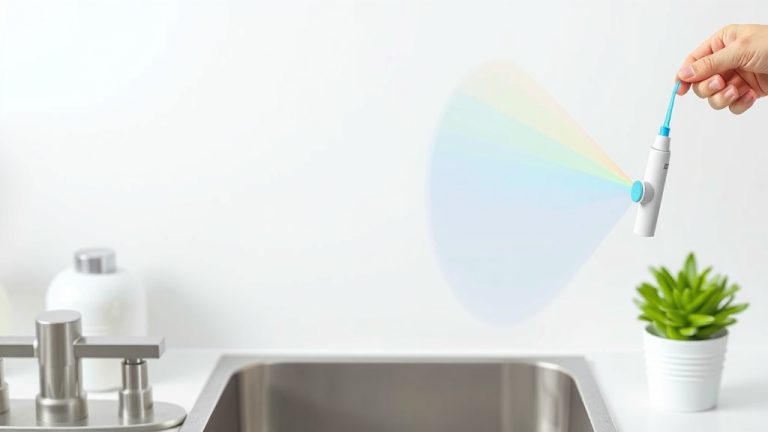
Think of a water flosser like a mini, high-pressure shower for your teeth and gums. It uses a targeted stream of water to blast away debris. This stream can reach places that traditional floss might miss. It’s particularly good at cleaning around dental work.
The Pulsating Power
Most water flossers use a pulsating stream. This pulsing action helps to dislodge plaque effectively. It’s like a gentle massage for your gums, which can be quite soothing. Many dental professionals note this pulsating action is key to its plaque-fighting ability (American Dental Association).
Beyond Just Rinsing
It’s not just about rinsing. The pressure and pulsing work together. They create a dynamic cleaning action. This action can remove more plaque than just swishing water around. It targets bacteria hiding in tight spots.
Who Benefits Most from a Water Flosser?
While anyone can use a water flosser, some people find them especially helpful. If you struggle with traditional flossing, this might be your new best friend. It can also be a lifesaver for those with specific dental needs. A water flosser might be your new best friend if you struggle with traditional floss, and our guide can help you find the best device.
Challenges with Traditional Flossing
Let’s be honest, traditional string floss can be tricky. Getting it into all the nooks and crannies can feel like a workout. It requires a certain amount of dexterity. For some, especially those with arthritis or limited hand mobility, it’s just plain difficult. You might find yourself skipping this important step. A water flosser removes that physical barrier.
Dental Work and Braces
Do you have braces, crowns, bridges, or implants? If so, you know how challenging cleaning around them can be. Food loves to hide in those areas! A water flosser is excellent for getting into these hard-to-reach spots. It cleans thoroughly without damaging your dental work. Many orthodontists recommend them for patients with braces (Cleveland Clinic).
Gum Health Concerns
If you have sensitive gums or a history of gum disease, a water flosser can be a gentler option. The water stream can clean effectively without irritating inflamed tissues. Regular use has been shown to reduce gum bleeding and improve overall gum health. Many studies suggest it can help manage gingivitis when used consistently.
Water Flossers vs. Traditional Floss: What’s the Verdict?
This is the big question: can a water flosser replace string floss? Research suggests it’s not always a direct replacement, but rather a powerful supplement. Let’s look at what studies and experts say.
Efficacy in Plaque Removal
When it comes to removing plaque, both methods have their strengths. Traditional floss can scrape plaque directly off tooth surfaces. Water flossers, on the other hand, flush it away. We found research indicating that water flossers are very effective at removing loose food particles and reducing bacteria. They are often considered excellent at cleaning below the gumline and around dental work.
Some guidelines still recommend using string floss first to remove sticky plaque. Then, you can use a water flosser to clean out any remaining debris. It’s about finding what works best for your mouth and your routine. A combination approach can offer superior cleaning.
Ease of Use and Compliance
Compliance is key to good oral hygiene. If you hate flossing, you’re less likely to do it. Water flossers are often found to be easier and more enjoyable to use. This increased ease can lead to better compliance. When you floss more regularly, your oral health improves. That’s a win-win!
| Feature | Water Flosser | Traditional Floss |
|---|---|---|
| Ease of Use | Generally easier, especially for those with dexterity issues. | Can be challenging for some people. |
| Effectiveness | Excellent for flushing debris, cleaning around dental work. | Effective for scraping sticky plaque directly off teeth. |
| Gum Health | Can reduce bleeding and inflammation; gentle. | Effective when used correctly, but can irritate if done too roughly. |
| Ideal For | Braces, implants, bridges, people with dexterity issues, gum sensitivity. | Direct plaque removal from smooth tooth surfaces. |
Incorporating a Water Flosser into Your Routine
Ready to give it a try? Adding a water flosser to your daily routine is straightforward. Here’s how to get the most out of it.
- Start with the lowest pressure setting.
- Aim the water stream at the gumline.
- Pause briefly between teeth.
- Use it after brushing.
- Clean the reservoir regularly.
- Consider adding mouthwash to the reservoir if your model allows.
Many users find that after a week or two, their gums feel healthier. They notice less bleeding when brushing. The feeling of clean teeth is often enhanced. It really can make a difference in your daily oral care.
Conclusion
You’ve seen how water flossers can truly make a difference in your oral hygiene. They offer a gentle yet effective way to clean your teeth and gums. For those who find string floss challenging or have specific dental work, a water flosser is often a worthwhile investment. Remember, consistency is key. If a water flosser makes daily cleaning easier and more enjoyable for you, it’s a step towards a healthier smile. Consider trying one to see if it enhances your routine and boosts your confidence in your oral health.
Frequently Asked Questions
Are water flossers as good as traditional floss for removing plaque?
Research suggests that while traditional floss is excellent at scraping away sticky plaque, water flossers are highly effective at flushing out loose debris and cleaning hard-to-reach areas. Many dentists recommend using both for the most thorough clean, especially if you have dental work.
Can a water flosser replace my dentist’s recommendations for flossing?
A water flosser can be a fantastic addition to your routine, but it’s best to discuss it with your dentist. They can advise if it’s suitable as a sole method or if it should supplement your existing cleaning habits, depending on your specific oral health needs.
How often should I use a water flosser for best results?
For optimal results, aim to use your water flosser at least once a day. Using it after brushing can help remove any remaining food particles and plaque that your toothbrush might have missed. This daily habit can lead to noticeable improvements in gum health over time.
Is it okay to put mouthwash in my water flosser?
Some water flosser models allow for adding mouthwash or other dental solutions to the reservoir. Always check your device’s manual first to ensure it’s safe. Using a diluted mouthwash can offer a refreshing clean and help combat bad breath.
How long does it take to see benefits from using a water flosser?
Many users report feeling a significant difference in the cleanliness of their mouth within a couple of weeks. You might notice reduced gum bleeding and a fresher feeling. Consistent use over a few months is generally when the most substantial improvements in gum health become apparent.