Water Flossers: Are They Worth It for Your Dental Health
Yes, water dental flossers, also known as oral irrigators, can be very effective tools for improving your oral hygiene. They work by using a stream of water to remove food particles and plaque from between your teeth and below the gumline. Many people find them particularly helpful for cleaning around braces or bridges where traditional floss can be tricky. They are a great addition to your daily routine.
If you’ve ever struggled with traditional string floss, you might be wondering if there’s an easier way to get that clean feeling. Water flossers offer a different approach to interdental cleaning. We found that they can help reduce gum bleeding and gingivitis. Plus, they are often recommended by dentists for those who need an extra layer of clean.
- Water flossers help remove plaque and food.
- They can be easier to use than string floss for some people.
- They are good for cleaning around dental work. They are good for cleaning around dental work, and our guide to the best cordless water flossers for braces can help.
- Many find they reduce gum bleeding.
Let’s dive into what makes these gadgets tick and how they can benefit your smile. We’ll cover how they work and what research says about their effectiveness.
Are Water Dental Flossers Really That Good for Your Gums?
You might be curious if a water flosser can really replace your string floss routine. The short answer is: yes, they can be a fantastic addition to your oral care. We found that water flossers effectively remove plaque and food debris. This is especially true from areas that are hard to reach with traditional floss. Many dental professionals recommend them as a proven method for cleaning between teeth and along the gumline.
How Does a Water Flosser Work Its Magic?
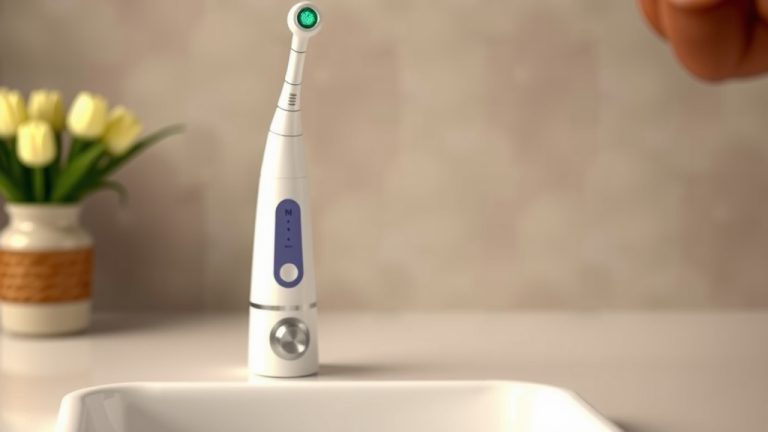
Think of a water flosser like a tiny, powerful shower for your teeth. It shoots a targeted stream of water. This stream is pulsed, meaning it goes on and off rapidly. This pulsing action helps to dislodge food particles and plaque. It also massages your gums gently. You fill a reservoir with water, or sometimes an antiseptic rinse. Then, you select a tip and a pressure setting. You aim the tip at your gumline and between your teeth.
The Pulsing Power: What Makes It Work
The key to a water flosser’s effectiveness is its pulsing technology. This isn’t just a steady stream of water. The rapid pulses create dynamic fluid action. This action helps to clean deeply below the gumline. It can reach areas that brushing alone often misses. Research has shown that this pulsing can be very effective at removing bacteria. It helps disrupt bacterial colonies that cause gum disease.
Choosing the Right Water Flosser for You
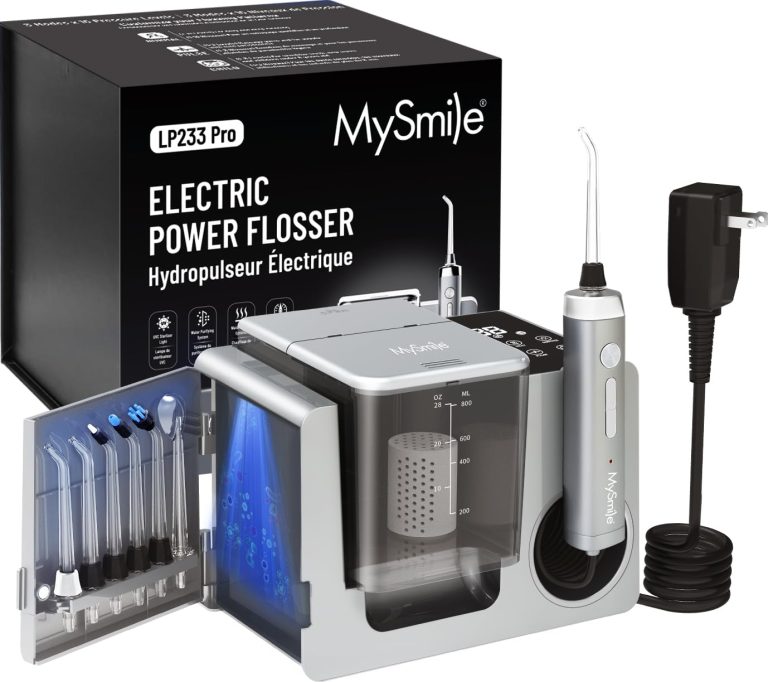
There are a few main types you’ll see. Countertop models are larger and have bigger reservoirs. They often come with multiple tips. These are great for consistent daily use. Cordless or portable models are smaller. They run on batteries. These are perfect for travel or smaller bathrooms. Some even connect to your smartphone for guided cleaning. We found that starting with a user-friendly model is key to sticking with it.
The Science Behind the Smile: What Research Says
Many studies have looked into how well water flossers work. A review of multiple studies found that water flossers, when used with string floss, significantly improved gum health. They reduced bleeding and gingivitis more than just brushing alone. Some research suggests water flossers can be just as effective as string floss for reducing gingivitis. However, they are often seen as a great adjunct to brushing and traditional flossing for maximum benefit.
Water Flossers and Gum Health
If you struggle with bleeding gums or mild gingivitis, a water flosser can be a game-changer. The gentle yet firm stream of water helps clean away irritants. It also stimulates blood flow to your gums. This can lead to healthier, less inflamed gum tissue. Many users report seeing a noticeable improvement in their gum health within weeks. This is supported by findings from organizations like the American Dental Association, which acknowledges their role in interdental cleaning.
Effectiveness for Dental Work: Braces, Implants, and More
This is where water flossers really shine. Cleaning around braces, bridges, crowns, and implants with string floss can be a real challenge. A water flosser makes it much simpler. The fine tip can get into those tight spaces. It washes away food trapped around brackets and wires. For people with dentures or dental work, it’s a way to maintain thorough oral hygiene. It helps prevent food from getting stuck and causing problems.
Comparing Water Flossers to Traditional Floss
It’s not always an either/or situation. Many dentists suggest using both. Traditional floss is excellent at scraping plaque away. Water flossers excel at flushing out debris and cleaning below the gumline. For some people, string floss is too difficult to maneuver. Their hands might not have the dexterity needed. Others find string floss uncomfortable or even painful. In these cases, a water flosser is often a superior alternative.
| Feature | Water Flosser | String Floss |
|---|---|---|
| Cleaning Action | Pulsed water stream | Scraping motion |
| Ease of Use | Generally easier for some | Can be difficult for some |
| Reach | Good for deep pockets & dental work | Excellent for tight contact points |
| Mess Factor | Can be a bit wet initially | Minimal mess |
| Best For | Braces, implants, sensitive gums, dexterity issues | General plaque removal between teeth |
Is it Easier to Use?
For many, the answer is a resounding yes! You don’t need to get your fingers into your mouth. You simply guide a wand. This makes it feel less fiddly. Some people find the sensation of water pressure more pleasant than the friction of floss. It’s a different kind of clean that many find more enjoyable and sustainable.
Making Water Flossing Part of Your Routine
To get the most out of your water flosser, consistency is key. Aim to use it at least once a day. Many people find it easiest to use it after brushing. Others prefer to use it before brushing. Either way, make it a habit. Your mouth will thank you for it!
Tips for Getting Started
Don’t be discouraged if it feels a little strange at first. It takes a few tries to get the hang of it. Start with the lowest pressure setting. Point the tip towards your gumline. Angle it slightly between your teeth. Lean over the sink to catch any drips. You might want to keep a towel handy for the first few times. We found that a little practice makes perfect.
Checklist for a Cleaner Mouth:
- Brush your teeth twice daily.
- Use your water flosser daily.
- Aim the water stream at the gumline.
- Clean between all your teeth.
- Visit your dentist regularly.
- Consider using string floss too, if recommended.
Conclusion
You’ve learned that water dental flossers are indeed a smart choice for many. They effectively tackle plaque and food debris, especially in hard-to-reach spots. For those with braces, bridges, or dexterity challenges, they offer a much easier cleaning method. Research also supports their role in reducing gum bleeding and gingivitis. While they can complement traditional floss, they stand strong as a capable tool on their own. Ready to give your smile a refresh? Consider adding a water flosser to your daily oral care routine for a noticeably cleaner feel.
Frequently Asked Questions
Can a water flosser completely replace string floss?
For most people, water flossers are a fantastic supplement to brushing and can replace string floss if needed. Research shows they are effective at reducing gum inflammation. However, some dentists still recommend using traditional floss for its superior plaque-scraping ability, especially in tight spots.
How often should I use a water flosser?
We found that using your water flosser at least once a day is ideal. Many people find it works best after brushing their teeth. This helps remove any loosened debris from brushing and ensures your whole mouth feels clean.
Is the water pressure from a water flosser too strong?
Water flossers come with adjustable pressure settings. You can start on the lowest setting and gradually increase it as you get comfortable. This pulsing stream is designed to be effective yet gentle on your gums.
Can I use mouthwash in my water flosser?
Yes, you can often use therapeutic mouthwashes in your water flosser. Check your specific model’s manual for recommendations. Using a rinse can add an extra layer of freshness and antimicrobial action to your cleaning routine.
Will using a water flosser make my bathroom messy?
It might feel a little wet at first until you get the hang of it. Leaning over the sink helps catch drips. Most users find they quickly adapt and minimize mess with practice.