Water Flossers: How Effective Are They For Your Teeth
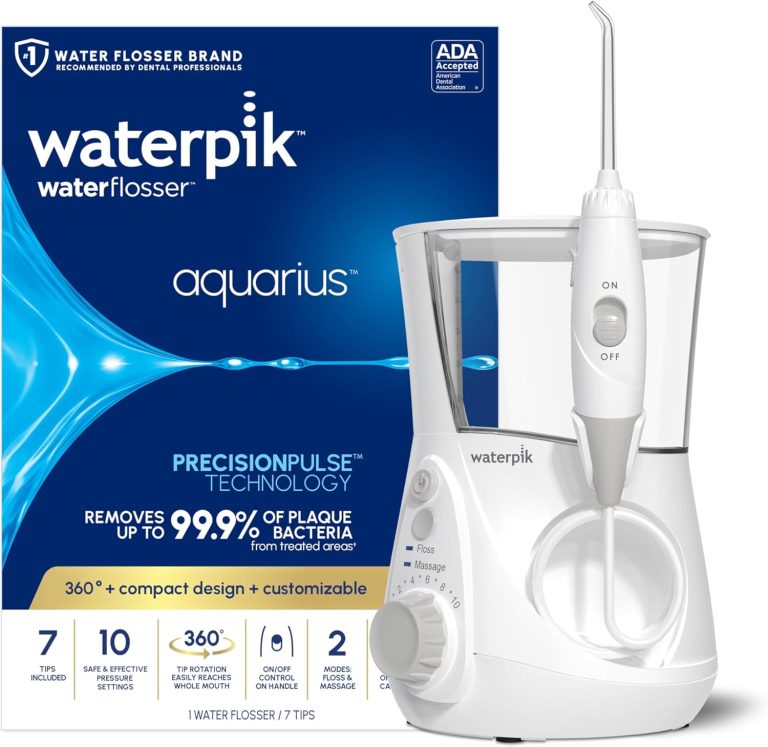
Yes, water flossers are definitely effective when used correctly. They can remove up to 99.9% of plaque from treated areas. Many dental professionals recommend them as a great addition to your oral hygiene routine. They help clean hard-to-reach spots that brushing alone might miss.
If you struggle with traditional floss or want an extra boost for your gums, a water flosser could be a game-changer. It uses a stream of water to flush out debris and bacteria. This can lead to healthier gums and a cleaner mouth. Think of it as a powerful rinse for your teeth and gums.
- Water flossers work by using a pulsed water stream.
- They are good at removing plaque and food particles.
- They can help improve gum health.
- They are often recommended by dentists.
- Consider them an excellent tool alongside brushing.
Let’s take a closer look at how effective water flossers really are and if one might be right for you. Let’s take a closer look at how effective a water floss device can be for your oral health.
How Well Do Water Flossers Clean Your Teeth?
So, you’re wondering if that fancy water flosser gadget is more than just a pretty bathroom accessory. The short answer? Yes, they are effective at cleaning your teeth and gums. We’ve looked at what the research says, and it paints a pretty good picture.
Many studies have shown that water flossers can be just as good as traditional floss. Sometimes, they’re even better. They excel at getting into those tight spots. Think of those tricky areas between your back teeth or around braces. That’s where water flossers really shine.
The Science Behind the Stream: How They Work
It’s not magic, it’s science! Water flossers use a targeted stream of water. This stream pulses at a specific pressure. It’s designed to dislodge food particles. It also blasts away plaque buildup. This happens even in those hard-to-reach places.
Plaque Removal Power
When it comes to plaque, water flossers are impressively effective. Research often cites that they can remove a substantial amount. Some studies suggest they remove up to 99.9% of plaque from the areas they treat. This is a huge win for your oral health.
Beyond Plaque: Fighting Gum Disease
It’s not just about plaque. Water flossers also help with gum health. They can reduce bleeding gums and gingivitis. This is because the water stream massages your gums. It also flushes out bacteria that cause inflammation.
Many dental professionals recommend water flossers. They see them as a valuable tool. Especially for people who find traditional flossing difficult. Or for those with specific dental work like braces or implants. The American Dental Association (ADA) has even acknowledged their effectiveness.
Water Flossers vs. Traditional Floss: What’s the Difference?
You might be wondering how they stack up against good old string floss. Both have their strengths. Let’s break it down.
Effectiveness Comparison
Studies have directly compared water flossers and traditional floss. What did they find? For plaque removal, they are often considered equally effective when used properly. However, water flossers can be easier to use. They also tend to reach areas that people often miss with string floss.
Ease of Use and Accessibility
This is where water flossers often win. If you have dexterity issues, arthritis, or just find string floss awkward, a water flosser is a godsend. You simply guide the tip. The machine does the rest. It makes cleaning between teeth much more manageable.
Who Benefits Most?
Water flossers are particularly helpful for:
- People with braces, bridges, or implants.
- Individuals with crowns or tight teeth.
- Those who have trouble using string floss.
- People prone to gum disease or gingivitis.
- Anyone looking to enhance their daily cleaning routine.
Are There Any Downsides to Water Flossers?
While highly effective, water flossers aren’t perfect for everyone. It’s good to know the whole story.
Cost Factor
Let’s be honest, they can be an investment. A good quality water flosser costs more upfront than a pack of floss. However, think of it as a long-term oral care investment. Many find the benefits outweigh the initial cost.
Learning Curve and Mess Factor
There’s a slight learning curve. You need to get used to aiming the stream. And yes, sometimes there’s a bit of water splatter. It’s like learning to use a new tool. Most people get the hang of it quickly. Keep a towel handy at first!
Not a Complete Replacement for Brushing
It’s vital to remember that a water flosser is not a substitute for brushing. You still need to brush twice a day. Brushing removes the sticky film of bacteria, known as plaque, from tooth surfaces. Water flossing complements brushing. It doesn’t replace it.
Making the Most of Your Water Flosser
To get the best results from your water flosser, follow these simple tips:
Proper Technique is Key
Always lean over the sink. This helps manage any splashing. Aim the water stream at the gum line. Gently trace along your teeth. Pause briefly between each tooth.
Choosing the Right Setting
Start with the lowest pressure setting. Gradually increase it as you get comfortable. Your gums should feel clean, not in pain. If you have sensitive gums, always stick to a lower setting.
Using Water vs. Mouthwash
While plain water is effective, some people like adding mouthwash. Check your water flosser’s manual. Some models recommend specific dilutions. Using mouthwash can add a refreshing feeling. But it’s not essential for cleaning power.
Quick Checklist for Water Flosser Success
Ready to give it a try? Here’s a quick rundown to ensure you’re on the right track:
- Use it daily, ideally after brushing.
- Start with low pressure and increase as needed.
- Aim the water at the gum line.
- Trace along all tooth surfaces.
- Clean the device regularly as per instructions.
- Consult your dentist if you have concerns.
The Verdict: Are Water Flossers Worth It?
Based on research and expert recommendations, water flossers are highly effective tools. They are a fantastic addition to any oral hygiene routine. They offer a powerful way to combat plaque and improve gum health. If you struggle with traditional floss, or just want that extra clean feeling, a water flosser might be the perfect fit for your smile.
Conclusion
You’ve learned that water flossers are a highly effective tool for improving your oral hygiene. Research shows they can remove significant amounts of plaque, often rivaling traditional floss. They’re especially beneficial if you find string floss tricky or have dental work like braces. Remember, they work best when used alongside regular brushing. To take the next step, consider discussing water flosser options with your dentist. They can help you choose the right device and technique for your unique smile.
Frequently Asked Questions
Can I use a water flosser instead of brushing?
No, a water flosser is not a replacement for brushing. You still need to brush your teeth twice daily to remove plaque from tooth surfaces. A water flosser is an excellent addition to brushing, cleaning areas that brushing might miss.
How often should I use a water flosser?
You should aim to use your water flosser daily. Many people find it most effective to use it after brushing their teeth. This ensures you’re removing any loosened debris and plaque from between your teeth and along the gumline.
Can water flossers hurt my gums?
When used correctly on an appropriate setting, water flossers should not hurt your gums. It’s recommended to start with the lowest pressure setting and gradually increase it as you become comfortable. If you experience pain, reduce the pressure or consult your dentist.
Are water flossers good for people with sensitive teeth?
Yes, water flossers can be very beneficial for people with sensitive teeth. They offer a gentle yet effective way to clean between teeth without the direct friction that string floss can sometimes cause. Always start on a low setting to avoid discomfort.
Do water flossers clean better than traditional floss?
Studies show that water flossers and traditional floss can be equally effective at removing plaque when used properly. However, water flossers often excel at reaching difficult spots and may be easier to use for many individuals, especially those with braces or dexterity issues.