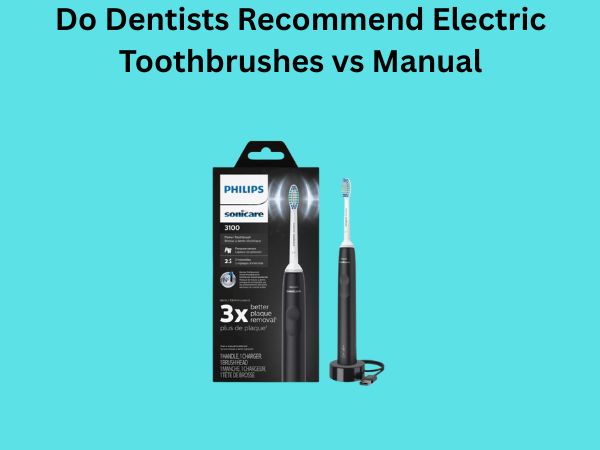
Do Dentists Recommend Electric Toothbrushes vs Manual? A Complete Guide
When you’re standing in the dental aisle at your local store, staring at rows of toothbrushes, you might find yourself wondering: which one should I actually buy? The electric toothbrush sits there with its sleek design and fancy features, while the manual option seems simpler and more affordable. But what do the professionals who spend their days looking at our teeth actually think about this question? I’m going to walk you through what dentists really recommend and why their answer might surprise you.
What Dentists Really Recommend
Let me be straight with you: most dentists don’t give you a one-size-fits-all answer. Instead, they tend to say something like, “The best toothbrush is the one you’ll actually use.” This might sound like a cop-out, but it’s actually the most honest response they can give. Here’s why this matters so much.
Dentists care more about consistency and technique than the tool itself. Think of it like cooking: a professional chef can make an amazing meal with basic tools, but a home cook with expensive equipment might still burn dinner. The same principle applies to oral hygiene. If you hate using an electric toothbrush and therefore brush less often, that’s worse than using a manual brush diligently twice daily.
The Professional Consensus
When you look at what major dental organizations recommend, you’ll find they support both options. The American Dental Association acknowledges that both electric and manual toothbrushes can effectively remove plaque and reduce gum disease when used properly. This tells us that the debate isn’t about one being inherently superior—it’s about individual needs and preferences.
However, certain groups of people consistently see dentists leaning toward electric recommendations. Patients with limited dexterity, people with arthritis, and those who struggle with their brushing technique often get steered toward electric models. Why? Because these toothbrushes do some of the work for you, making it harder to mess up.
Understanding Electric Toothbrushes and Their Benefits
Electric toothbrushes have come a long way since they first hit the market. Today’s models are sophisticated devices that use various technologies to clean your teeth more effectively than many people can manage with a manual brush.
How Electric Toothbrushes Actually Work
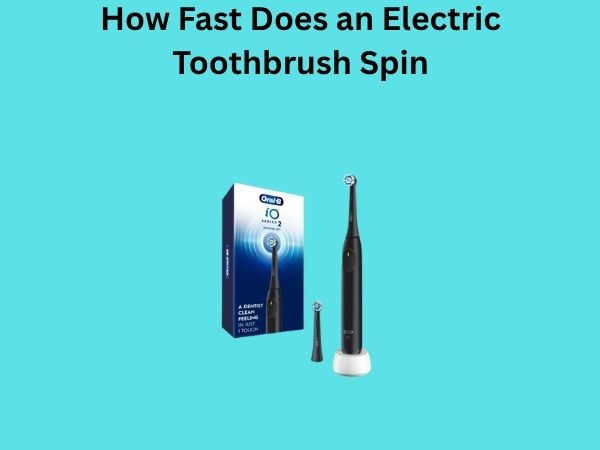
Most electric toothbrushes operate using one of two main technologies. Oscillating-rotating brushes move back and forth thousands of times per minute, creating a gentle vibration that breaks up plaque. Sonic toothbrushes work at even higher frequencies, sometimes hitting 30,000 to 40,000 vibrations per minute. It’s like having a tiny vibration specialist working on your teeth.
The key advantage here is consistency. Your hand can’t possibly replicate the speed and precision of an electric motor. It’s physically impossible. This means that even if your manual brushing technique isn’t perfect, an electric toothbrush keeps moving at an optimal pace regardless of your effort level.
Key Benefits Dentists Point Out
- Improved plaque removal compared to manual brushing when done incorrectly
- Built-in timers that ensure you brush for the recommended two minutes
- Pressure sensors that alert you if you’re brushing too hard
- Better results for people with limited hand mobility
- Easier learning tool for children developing proper habits
- More motivation to brush regularly due to the novelty factor
- Targeted gum care with specific settings for sensitive areas
That pressure sensor is actually pretty clever. Many people brush too hard, thinking they’re getting cleaner teeth. In reality, excessive pressure damages gum tissue and can lead to recession. An electric toothbrush essentially prevents this mistake from happening.
The Case for Manual Toothbrushes
Before you dismiss manual toothbrushes as outdated, consider this: they’ve been cleaning teeth effectively for over a century. There’s a reason dentists still recommend them, and it’s not just because they’re cheap.
Advantages You Shouldn’t Ignore
Manual toothbrushes offer several genuine advantages that matter in real-world situations. First, there’s portability. You can throw a manual brush in your bag without worrying about batteries, charging cables, or taking up space. When you travel frequently or live a highly mobile lifestyle, this convenience factor is significant.
Cost is another honest advantage. A high-quality manual toothbrush costs a few dollars, while electric models range from thirty to three hundred dollars. Over your lifetime, manual brushes might cost you a fraction of what you’d spend on electric replacements and chargers.
There’s also something about control that some people genuinely prefer. With a manual brush, you’re directing every movement. You decide the angle, the pressure, and the duration. For people who like being in complete control of their oral care routine, this matters.
Environmental and Practical Considerations
Let’s talk about sustainability. Electric toothbrushes generate electronic waste. The batteries, motors, and plastic housings eventually end up in landfills. Manual toothbrushes are biodegradable (well, mostly—the bristles are plastic, but the handle can be made from recyclable materials). If you care about your environmental footprint, this is worth considering.
Manual brushes also don’t break down mysteriously or fail to charge when you need them most. There’s a reliability factor here that shouldn’t be overlooked. You’ll never show up at a hotel to discover your electric toothbrush won’t charge on the available outlets.
Comparing Cleaning Effectiveness: The Real Evidence
When dentists compare these tools objectively, what does the research actually show? This is where things get interesting, because the answer depends on who’s doing the brushing.
What Studies Tell Us
Research consistently shows that electric toothbrushes, particularly oscillating-rotating models, remove more plaque than manual brushes when comparing average users. However—and this is crucial—a person with excellent manual brushing technique can match or exceed the results of someone using an electric brush with poor technique.
Think of it this way: you could hand a Michelin-starred chef a blunt knife, and they’d still prepare a better meal than someone with a professional knife set who doesn’t know how to cook. Skill and consistency matter tremendously.
Studies on gum health show similar patterns. Electric toothbrushes tend to reduce gingivitis more effectively for the average person, but this advantage disappears when comparing ideal manual technique to electric use.
The Technique Factor That Changes Everything
Here’s what dentists emphasize: most people don’t brush correctly with manual toothbrushes. We brush too hard, miss the gum line, spend insufficient time on back teeth, and don’t angle the brush properly. It’s not our fault—most of us were never taught the right way.
The correct technique involves angling your brush at forty-five degrees toward the gum line, using small gentle strokes, and brushing every tooth surface individually. It sounds simple, but executing this consistently takes practice and attention. Electric toothbrushes partially automate this process, which is why they work better for people who struggle with discipline or technique.
Who Benefits Most From Electric Toothbrushes
Rather than asking whether electric or manual is universally better, let’s talk about who should probably choose electric based on what dentists observe in their practices.
Ideal Candidates for Electric Options
- People with arthritis or reduced hand mobility
- Individuals with a history of gum disease
- Those who struggle to brush for the full two minutes
- Anyone with a history of brushing too aggressively
- Parents trying to establish good habits in children
- People who respond well to technological gadgets and are more motivated by them
- Patients recovering from dental procedures
- Individuals with limited dexterity due to age or disability
For these groups, dentists consistently recommend electric as the better choice. The assistance the device provides outweighs any disadvantages.
Manual Toothbrush Champions
On the flip side, certain people thrive with manual brushes. If you already have excellent brushing habits, maintain healthy gums, and don’t particularly respond to gadgetry, a high-quality manual brush works just fine. Many dentists use manual brushes themselves, which tells you something about their effectiveness when used properly.
People with great technique and discipline actually might not see significant improvement from switching to electric. In that case, why spend the extra money?
Understanding Different Types of Electric Toothbrushes
Not all electric toothbrushes are created equal. The type you choose makes a genuine difference in results.
Oscillating-Rotating Models
These brushes move back and forth rapidly, sometimes reaching eight thousand to ten thousand oscillations per minute. Many dentists specifically recommend this style because research shows it’s particularly effective for plaque removal and reducing gingivitis. The motion mimics the proper manual brushing technique, but does it automatically.
If you’re going to invest in an electric toothbrush, many dental professionals suggest this is the most evidence-backed option.
Sonic Toothbrushes
Sonic models vibrate at much higher frequencies, sometimes three times faster than oscillating models. They create tiny movements that are supposed to reach below the gum line and between teeth more effectively. Some studies support their efficacy, though the difference compared to oscillating brushes is often minimal.
The main advantage might be the novelty factor—many people find sonic brushes more pleasant to use, which means they’re more likely to brush consistently.
Features Worth Considering
- Pressure sensors that prevent you from brushing too hard
- Built-in two-minute timers with thirty-second interval alerts
- Different brushing modes for sensitive teeth or gum care
- Battery life and charging convenience
- Brush head replacement costs
- Water resistance for shower use
- Smart features that track your brushing habits
That two-minute timer is genuinely useful. Studies show many people stop brushing after sixty seconds, which is why having an automatic timer helps establish better habits.
Cost Considerations and Long-Term Value
Let’s have an honest conversation about money, because cost matters when deciding between these options.
Initial Investment and Ongoing Expenses
A decent manual toothbrush costs between two and ten dollars. You should replace it every three to four months, so you’re spending roughly ten to forty dollars annually on brushes alone.
Electric toothbrushes range from thirty dollars for basic models to three hundred dollars for premium options. Then you need replacement heads, which typically cost between five and fifteen dollars each. You should replace them every three months, adding thirty to sixty dollars annually.
Over a five-year period, a manual toothbrush costs about fifty to two hundred dollars, while an electric setup might cost one hundred fifty to four hundred dollars. That’s a meaningful difference for some budgets.
Value Beyond the Numbers
However, cost isn’t just about the purchase price. Consider potential savings from fewer dental problems. If an electric toothbrush helps you avoid gum disease, you’re saving yourself expensive treatments like scaling and root planing, which can cost hundreds or thousands of dollars.
Some people also factor in the value of motivation. If an electric toothbrush makes you actually want to brush twice daily, that’s worth something. Dental health has huge downstream effects on overall health, so the investment pays dividends.
Proper Brushing Technique for Both Options
Regardless of which tool you choose, technique matters enormously. Let me explain the right way to brush your teeth.
Manual Toothbrush Technique
Start by angling your brush at forty-five degrees toward the gum line. Use short, gentle strokes—think of it as vibrating the brush rather than scrubbing. You’re not trying to polish your teeth; you’re removing plaque gently and thoroughly.
Brush the outer surfaces of all teeth, then the inner surfaces, then the chewing surfaces. Don’t forget your back molars, which is where people typically miss spots. The entire process should take two minutes.
A common mistake is brushing too hard. You should be using light pressure, almost to the point where it feels like you’re barely touching your teeth. Your dentist isn’t trying to hurt you when they polish your teeth gently—light pressure is actually more effective.
Electric Toothbrush Technique
Electric brushes require less aggressive technique since the device does the motion work. Hold it at the same forty-five-degree angle, but simply guide it to each tooth surface rather than moving it yourself. Let the brush do the movement.
Apply gentle pressure—you shouldn’t need to press hard. Many electric brushes have sensors that alert you if you’re pressing too firmly. Spend time on each tooth surface, making sure you’re covering everything in those two minutes.
Common Misconceptions About Toothbrushes
There’s a lot of misinformation floating around about oral care. Let me clear up some common confusion.
Myth: Electric Toothbrushes Damage Your Teeth
This is false when used correctly. The vibrations don’t harm enamel. In fact, by preventing aggressive scrubbing, electric brushes protect your teeth better than some manual brushing habits do. The danger comes from excessive pressure, which is why those sensors are helpful.
Myth: Manual Brushes Are Just as Good if You Brush Harder
Actually, the opposite is true. Harder isn’t better—it’s actually worse. You can’t brush away plaque with force; you remove it with the right angle and gentle pressure. Brushing harder just damages your gums.
Myth: Electric Toothbrushes Make Manual Brushing Obsolete
Not at all. Many dental professionals use manual brushes and achieve excellent results. The best tool is the one that works with your habits and lifestyle.
Myth: All Toothbrushes Are Basically the Same
This is where dentists roll their eyes. There are genuine differences in bristle quality, handle design, and effectiveness between different brands and models. Cheaper brushes often have lower-quality bristles that fray quickly and don’t clean as well.
Special Considerations for Different Age Groups
Age brings different considerations when choosing an oral care tool.
Children and Young Teens
Dentists often