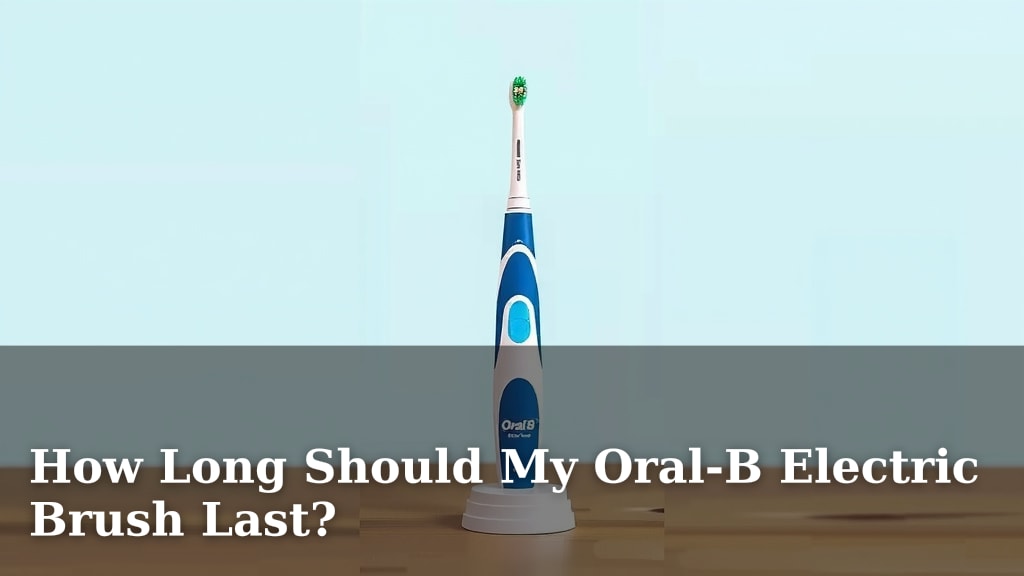
How Long Should My Oral-B Electric Brush Last?
Your Oral-B electric toothbrush should ideally last between 3 to 5 years with proper care. This lifespan can vary based on usage frequency, how you maintain it, and the specific model you own. Regular attention ensures your brush keeps working effectively for your oral hygiene needs.
When your Oral-B toothbrush reaches the end of its life, you might notice a decline in its performance. This could mean a weaker battery, less powerful vibrations, or even brushes that stop spinning. Many factors contribute to its longevity, including charging habits and routine cleaning. Think of it like any electronic device; a little care goes a long way.
- Oral-B brushes typically last 3-5 years.
- Battery life and cleaning habits impact longevity.
- Signs of wear include weaker vibrations and battery issues.
- Replacement is needed when performance degrades significantly.
Let’s dive into what determines your Oral-B’s lifespan and how you can get the most out of it.
Your Oral-B Brush: Understanding Its Lifespan
So, you’re wondering how long your trusty Oral-B electric toothbrush is likely to stick around. It’s a great question to ask! We found that most Oral-B brushes are built to last between 3 to 5 years. This range isn’t set in stone, though. Several things can influence how long you’ll enjoy its sparkling results.
Factors Affecting Your Oral-B’s Longevity
Think of your electric toothbrush like any other electronic gadget you own. Its lifespan depends on how you treat it. We found that factors like how often you use it and how well you maintain it play a big role. Even the specific model you choose can affect its longevity.
Usage Frequency Matters
Do you brush your teeth religiously twice a day? That’s fantastic for your oral health! However, using your brush more often can naturally lead to a bit more wear and tear over time. If you’re a heavy brusher, you might lean towards the shorter end of that 3-5 year spectrum. Conversely, if you use it less frequently, it might just keep going and going.
Maintenance: The Key to Durability
This is where you have the most control. Regular cleaning is super important. We found that proper care can significantly extend your brush’s life. Simple habits make a world of difference for keeping your Oral-B in top shape. Let’s look at what that entails.
Charging Habits
How you charge your toothbrush can impact its battery life. Most modern Oral-B brushes use rechargeable lithium-ion batteries. These generally perform best when you don’t let them drain completely all the time. We found that keeping the battery partially charged, rather than fully draining it and then fully recharging, can be beneficial for its long-term health. Your user manual will likely have specific advice for your model.
Cleaning Your Brush Head and Handle
After each use, it’s a good idea to rinse the brush head thoroughly. Make sure all toothpaste residue is gone. You can also detach the brush head from the handle and rinse the connection point. This prevents buildup that could affect performance. Some users even find it helpful to wipe down the handle with a damp cloth periodically.
Storage Solutions
Where you keep your toothbrush matters too. Avoid storing it in steamy bathrooms where it can be constantly exposed to moisture. This can potentially lead to corrosion over time. A dry place, perhaps in a cabinet or on a clean counter away from humidity, is ideal. Some Oral-B models come with travel cases, which are also great for protecting the brush head when you’re on the go.
Model Differences
Oral-B offers a wide range of electric toothbrushes, from basic models to advanced ones with fancy features. Generally, more complex models with more electronic components might have more points of potential failure. However, they are also often built with high-quality materials. We found that higher-end models might offer better battery technology or more durable casings, potentially balancing out their complexity.
Signs Your Oral-B Might Be Nearing Its End
Even with the best care, every electronic device has a lifespan. You’ll likely notice some cues that your Oral-B is getting older. These are usually clear indicators that it might be time to think about a replacement.
Decreasing Battery Power
One of the most common signs is a noticeable drop in battery performance. Does your brush seem to need charging much more frequently than it used to? Does it die out mid-brushing session? A struggling battery is a strong signal that its internal cells are degrading. This is a natural part of battery aging.
Reduced Vibrations or Motor Strength
Your electric toothbrush relies on a motor to create those powerful vibrations or rotations. If you start to feel that the brush head isn’t vibrating as strongly as it once did, this could indicate motor wear. Some users report that the brushing action feels “weaker.” This means it might not be cleaning your teeth as effectively as it should.
Unusual Noises or Smells
While not as common, pay attention if your toothbrush starts making strange grinding noises or emitting any unusual smells. These could be signs of internal mechanical issues or motor problems. If you notice anything like this, it’s probably best to stop using it and consider a replacement for safety.
Brush Heads Don’t Fit Securely
Sometimes, the connection point where the brush head attaches to the handle can wear down. If you find that brush heads are becoming loose or popping off easily, even when they’re new, this could be a sign that the handle mechanism is failing.
Making the Most of Your Oral-B: A Quick Checklist
Want to ensure your Oral-B gives you the longest, most effective service? Follow this simple checklist:
- Rinse your brush head thoroughly after every use.
- Wipe down the handle with a damp cloth weekly.
- Store your brush in a dry location.
- Avoid letting the battery drain completely too often.
- Replace your brush heads every 3 months, as recommended.
- Listen for unusual noises or changes in performance.
Conclusion
You’ve learned that your Oral-B electric toothbrush is built to last, typically between 3 to 5 years. Your daily habits play a big role in this. By following simple maintenance tips, like proper charging and regular cleaning, you can maximize its performance. Pay attention to signs of wear, such as weakened battery life or motor power. When you notice these, it’s your cue to consider a replacement. Taking good care of your Oral-B ensures you continue to achieve a brilliant clean.
Ready to get the most out of your brush? Make a habit of rinsing your brush head after every use and storing it in a dry place. Your smile will thank you!
Frequently Asked Questions
How do I know if my Oral-B brush head needs replacing, not the whole toothbrush?
You should replace your Oral-B brush head every 3 months, or sooner if the bristles become frayed or splayed. Many Oral-B brush heads also have indicator bristles that fade over time, signaling it’s time for a change. This is different from the handle’s lifespan.
Can I use a generic brand brush head on my Oral-B toothbrush?
While some generic brush heads might fit, Oral-B recommends using only their genuine brush heads for optimal performance and to ensure your toothbrush functions as intended. Using non-genuine heads could affect cleaning effectiveness and potentially damage your toothbrush.
What’s the best way to clean the Oral-B toothbrush handle?
After removing the brush head, rinse the handle under running water to clear any toothpaste residue. You can also wipe the handle with a damp, soft cloth periodically. Avoid submerging the entire handle in water, as this can damage the electronics.
Is it bad for the battery if I leave my Oral-B toothbrush on the charger all the time?
Modern Oral-B toothbrushes with lithium-ion batteries are generally designed to be left on their charging base. They have built-in features to prevent overcharging. However, consistently letting the battery fully drain before recharging can still impact its long-term health.
Should I be concerned if my Oral-B toothbrush vibrates less after a year?
A slight decrease in vibration over time could be normal wear and tear, but a significant drop might indicate an issue. If you notice a much weaker vibration, especially if accompanied by decreased battery life or other performance changes, it might be a sign your toothbrush is nearing the end of its lifespan.