How Long Does an Electric Toothbrush Last?
Most electric toothbrushes last between 3 to 5 years. This is a general guideline, and your specific brush might last longer or shorter depending on how well you care for it and the quality of the internal battery. Don’t worry, we’ll help you figure out if yours is nearing its end!
When you first get an electric toothbrush, it feels like a game-changer for your smile. But like any gadget, they eventually slow down. We found that factors like charging habits and the type of battery significantly impact its lifespan. It’s good to know when it’s time for an upgrade.
- Electric toothbrushes typically last 3-5 years.
- Battery life and charging habits are key factors.
- Some models may last longer with proper care.
- Replacement heads need changing every 3 months, not the whole brush!
Let’s dive into the signs that your trusty electric toothbrush might need a replacement and what to do about it.
Understanding Your Electric Toothbrush’s Lifespan
So, you’re curious about how long that trusty electric toothbrush will keep buzzing away, right? Generally speaking, you can expect your electric toothbrush to last anywhere from 3 to 5 years. Think of it like a good pair of running shoes; they serve you well for a good while, but eventually, they just don’t have the same spring in their step.
This 3-to-5-year window isn’t a hard-and-fast rule, though. Several factors play a role. We found that how you treat your toothbrush and the quality of its internal battery are huge contributors to its longevity. Let’s break down what influences how long your electric toothbrush sticks around.
Key Factors Affecting Your Electric Toothbrush’s Life
Battery Health: The Heart of the Matter
The battery is arguably the most critical component determining your electric toothbrush’s lifespan. Most modern electric toothbrushes use rechargeable lithium-ion batteries. These are fantastic because they hold a charge well and can be recharged many times.
However, like all batteries, they degrade over time. You might notice this degradation as shorter brushing times between charges. If you used to get two weeks of brushing from one charge and now you’re lucky to get a few days, it’s a strong sign the battery is weakening.
We found that charging habits can significantly impact battery life. Overcharging, or letting the battery drain completely too often, can put extra strain on it. Many manufacturers recommend just charging until the indicator light shows it’s full, rather than leaving it plugged in constantly for days on end.
Usage Patterns and Brushing Intensity
How often you use your toothbrush and how hard you press can also play a part. Daily use is expected, but if you find yourself pressing down very hard, you might be putting undue stress on the motor and brush head mechanism. Gentle, consistent pressure is usually best for both effective cleaning and the longevity of your device (Cleveland Clinic).
Think about it: if you’re scrubbing like you’re cleaning a grimy floor, you’re asking a lot from those internal gears and the motor. Over time, this can lead to premature wear and tear.
Model Quality and Brand Reputation
Just like with cars or smartphones, not all electric toothbrushes are created equal. Higher-end models often use superior materials and have more robust internal components. This can translate to a longer lifespan.
Brands that invest heavily in research and development and have a long history of producing oral care products often have more durable designs. We found that investing a little more upfront in a reputable brand can sometimes save you money in the long run by avoiding frequent replacements.
Environmental Factors and Care
Where you store your toothbrush matters too. Keeping it in a **damp, humid bathroom** all the time can potentially lead to corrosion or mold growth over extended periods. While most are designed to be water-resistant, constant dampness isn’t ideal for any electronic device.
We found that storing it in a well-ventilated area, perhaps with the brush head protected, can help. Also, giving the handle a quick wipe-down now and then can keep it looking and functioning well.
Signs Your Electric Toothbrush Needs Replacing
Diminishing Battery Performance
This is often the first and most obvious sign. If your toothbrush is no longer holding a charge for its expected duration – often advertised as weeks of use – the battery is likely nearing the end of its life. You might find yourself charging it more and more frequently.
Reduced Power or Vibrations
Does your toothbrush feel weaker? If the usual strong vibrations or oscillations have become noticeably sluggish, even when fully charged, it could indicate a problem with the motor or internal power delivery. This means it’s likely struggling to do its job effectively.
Unusual Noises or Vibrations
Strange sounds like grinding, clicking, or excessive rattling can point to mechanical issues. Sometimes, the motor might be wearing out, or internal components could be loose. If your toothbrush sounds like it’s about to give up the ghost, it probably is.
Physical Damage or Wear and Tear
Visible cracks in the handle, a loose brush head connection, or a worn-out charging port are all signs that your toothbrush has seen better days. Even minor physical damage can compromise its waterproof integrity or overall function.
Bristles Not Working Effectively
While not a sign the entire toothbrush is dying, the brush head itself needs regular replacement. If the bristles are frayed, bent, or worn out, they won’t clean your teeth properly. You should replace the brush head every 3 months, or sooner if the bristles look worn (American Dental Association).
Remember, replacing the brush head is routine maintenance. The 3-5 year lifespan refers to the entire electric toothbrush unit, including the motor and battery.
Making Your Electric Toothbrush Last Longer
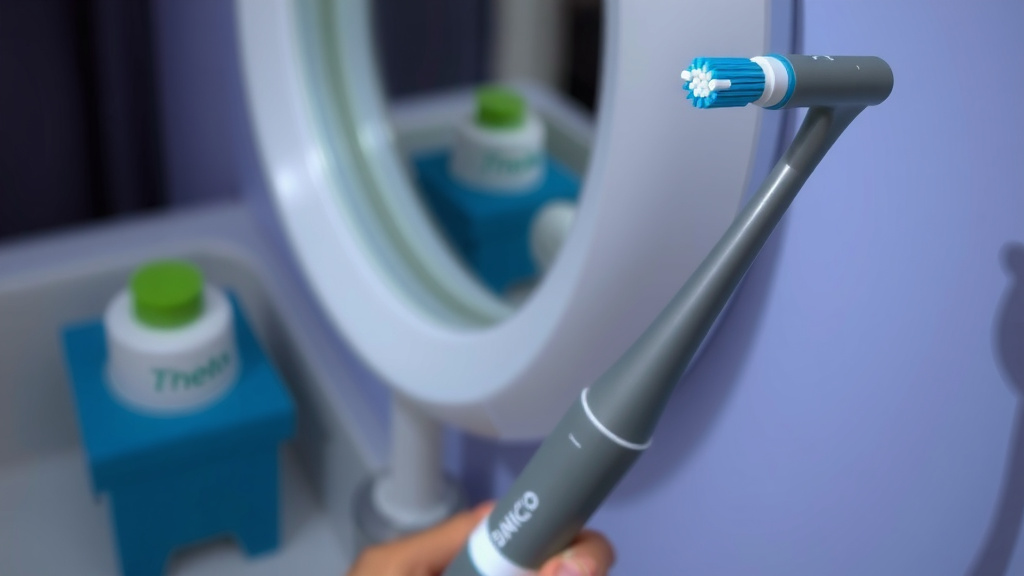
Want to get the most out of your electric toothbrush? Here are a few simple tips:
- Charge Smart: Avoid overcharging or letting the battery die completely too often. Follow the manufacturer’s charging recommendations.
- Gentle Pressure: Let the toothbrush do the work. Avoid pressing down too hard.
- Keep it Dry: Store your toothbrush in a well-ventilated area when not in use.
- Regular Cleaning: Wipe down the handle and rinse the brush head thoroughly after each use.
- Replace Heads Promptly: Don’t forget to change your brush heads every 3 months.
Conclusion
You’ve learned that your electric toothbrush likely has a lifespan of 3 to 5 years. The battery’s health, your charging habits, and how you use the brush all play a role. By paying attention to signs like weakening power or unusual noises, you can tell when it’s time for a change. Remember to also keep up with replacing your brush heads every three months for optimal cleaning. Make these simple tips part of your routine to ensure you get the best performance and longest life from your oral care device. Ready for a fresh start? Consider your next upgrade when your current brush shows its age!
Frequently Asked Questions
How often should I replace my electric toothbrush head?
You should aim to replace your electric toothbrush head every 3 months. This is standard advice from dental professionals. Worn-out bristles won’t clean your teeth effectively and can even be less hygienic.
Can I make my electric toothbrush battery last longer?
Yes, you can help extend your battery life. Try to avoid overcharging it or letting it drain completely too often. Following the manufacturer’s charging guidelines is usually the best approach.
What does it mean if my electric toothbrush feels weaker?
A noticeable decrease in power or vibrations, even when fully charged, can signal an issue. This might indicate that the motor is wearing out or the internal components are struggling. It’s likely a sign your toothbrush is nearing the end of its functional life.
Is it worth buying a more expensive electric toothbrush?
Often, higher-end models are built with better quality materials and more durable components. We found that investing a bit more upfront in a reputable brand might mean your toothbrush lasts longer, potentially saving you money on frequent replacements.
Should I worry about storing my electric toothbrush in the bathroom?
While most are designed to be water-resistant, constant dampness isn’t ideal. Prolonged exposure to humidity can potentially lead to corrosion or other issues over time. Storing it in a well-ventilated spot can help maintain its condition.