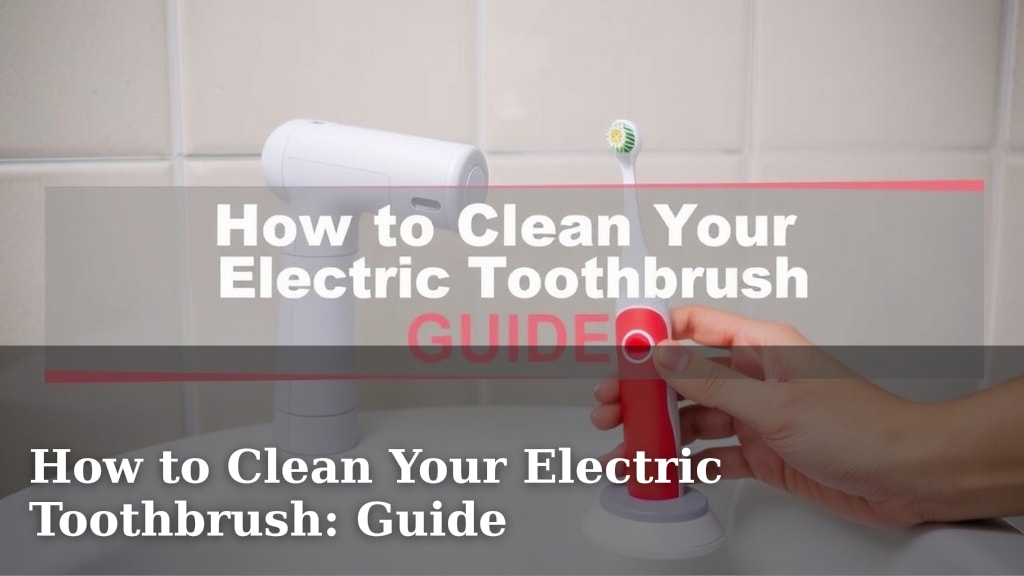
How to Clean Your Electric Toothbrush: Guide
The easiest way to clean your electric toothbrush is by rinsing the brush head under warm water after each use and giving the handle a quick wipe. This simple routine helps prevent germ buildup and keeps your toothbrush fresh. You can also perform a more thorough clean weekly to ensure it’s spotless.
Keeping your electric toothbrush clean is essential for good oral hygiene. It helps remove toothpaste residue and prevents bacteria from growing on the bristles and handle. Many experts agree that regular cleaning can also extend the life of your toothbrush, saving you money in the long run.
- Rinse brush head after every use.
- Wipe down the handle regularly.
- Perform a weekly deep clean.
- Replace brush heads as recommended.
Ready to give your toothbrush the spa treatment it deserves? Let’s walk through exactly how to get it sparkling clean, step by step.
Keeping Your Electric Toothbrush Hygienic: A Simple Guide
You use your electric toothbrush daily to keep your smile bright. But is it as clean as it could be? Proper cleaning prevents bacteria from thriving. It also removes stubborn toothpaste residue. Let’s walk through how to keep your toothbrush in tip-top shape. It’s an easy process that pays off.
Daily Care for Your Electric Toothbrush
After every brush, a quick rinse is your first line of defense. This simple step removes most of the toothpaste and debris. It’s the easiest way to maintain a fresh brush head.
Rinsing the Brush Head
Every time you finish brushing, detach the brush head. Hold it under **warm running water**. Gently scrub the bristles with your finger. This dislodges any toothpaste or food particles. Make sure to rinse all sides of the bristles. This prevents gunk from hardening.
Cleaning the Handle
Your toothbrush handle can harbor germs too. Wipe it down with a **damp cloth** after rinsing the brush head. You can use plain water. Some people prefer a mild soap. Just ensure you rinse it thoroughly afterward. Avoid harsh chemicals. They can damage the plastic.
Drying and Storage
After cleaning, shake off any excess water. Store your toothbrush **upright**. Let it air dry completely. Avoid storing it in closed containers or drawers. This can trap moisture. Trapped moisture is a breeding ground for bacteria. A clean, dry spot is best.
Weekly Deep Cleaning for a Sparkling Toothbrush
While daily rinsing is great, a weekly deep clean takes hygiene to the next level. This ensures no hidden grime is lurking. It’s like giving your toothbrush a mini spa day.
Disassembling for a Thorough Clean
Some electric toothbrushes allow you to detach more parts. Check your user manual. You might be able to remove the brush head collar or other small components. This allows for a more detailed cleaning. Be gentle when disassembling. You don’t want to break anything.
Using Mild Soap or Vinegar Solution
For a deeper clean, you can use a mild soap. Mix a tiny drop of dish soap with water. Use a soft brush, like an old toothbrush or a small cleaning brush. Gently scrub the handle and any detachable parts. For tough toothpaste buildup, a vinegar solution can help. Mix equal parts white vinegar and water. Soak detachable parts for about 30 minutes. Then, rinse everything thoroughly.
Many oral hygiene guidelines suggest regular disinfection. A diluted vinegar solution can help kill bacteria. Make sure to rinse very well after using vinegar. The smell can be off-putting. And you don’t want any lingering taste.
Cleaning the Charging Base and Travel Case
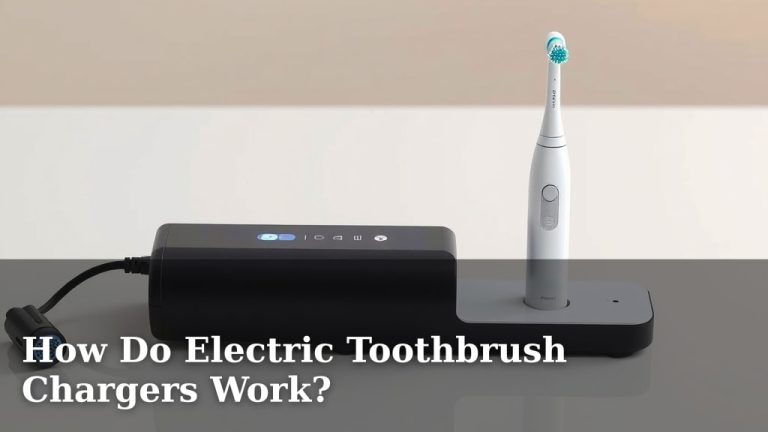
Don’t forget the accessories! Your charging base can collect dust and toothpaste splatters. Wipe it down with a damp cloth. Ensure it’s dry before plugging it in. If you use a travel case, empty it regularly. Wash it with soap and water. Allow it to air dry completely before storing your toothbrush.
When and How to Replace Your Brush Head
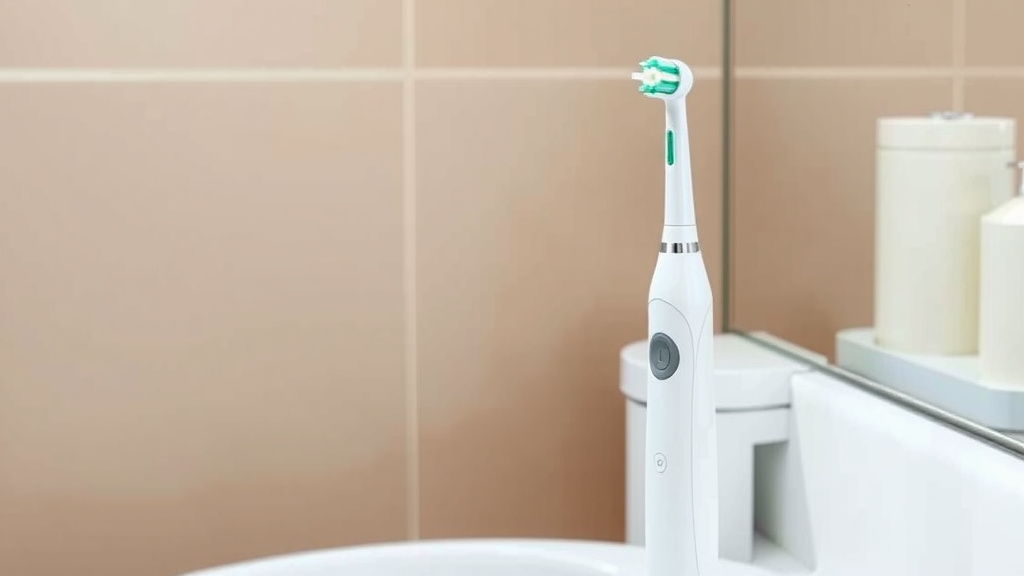
Even the best cleaning routine can’t fix worn-out bristles. Replacing your brush head is vital for effective cleaning. It also helps prevent gum irritation.
Frequency of Replacement
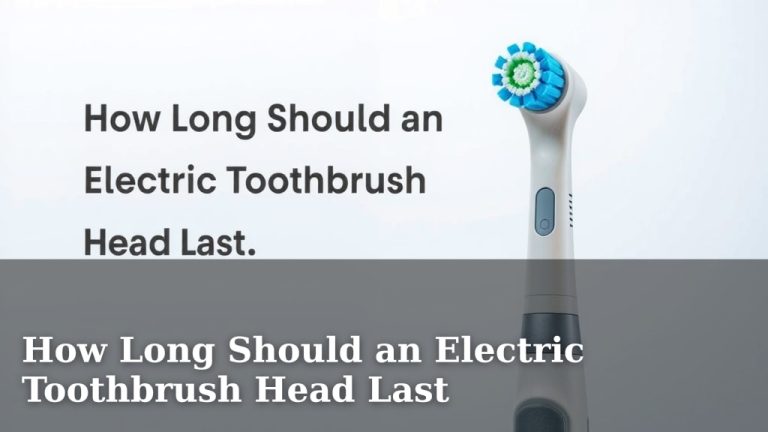
Most manufacturers recommend replacing your brush head every **three months**. This is a good general guideline. However, you might need to replace it sooner. If the bristles look frayed or splayed out, it’s time for a new one. Worn bristles don’t clean as effectively. They can also be too harsh on your gums.
Signs Your Brush Head Needs Replacing
Look for visual cues. Are the bristles bent or damaged? Do they look flattened? If you answered yes, your brush head is likely past its prime. Some brush heads have indicator bristles. These fade over time. They signal when it’s time for a change. Many dentists recommend this replacement schedule (American Dental Association).
Quick Checklist for a Clean Electric Toothbrush
Here’s a quick rundown to keep your toothbrush fresh:
- Rinse the brush head thoroughly after each use.
- Wipe down the handle with a damp cloth.
- Allow the toothbrush to air dry completely.
- Store it upright in a clean, dry place.
- Deep clean detachable parts weekly.
- Replace brush heads every 3 months or sooner if worn.
Conclusion
You’ve learned that keeping your electric toothbrush clean is a simple yet vital part of your oral hygiene routine. By incorporating daily rinsing and wiping, and performing a weekly deep clean, you can ensure your toothbrush remains hygienic. Remember, consistent care not only prevents germ buildup but also helps your toothbrush last longer. Don’t forget to replace your brush heads every three months or sooner if they show wear. Take a moment today to give your toothbrush the attention it deserves for a healthier smile.
Frequently Asked Questions
How often should I disinfect my electric toothbrush?
A weekly deep clean using a mild soap or diluted vinegar solution is generally sufficient for disinfection. This helps tackle any lingering toothpaste residue and potential bacterial growth. Ensure you rinse all parts thoroughly afterward to remove any cleaning solution taste.
Can I use mouthwash to clean my electric toothbrush?
While mouthwash can kill germs, it’s generally not recommended for routine cleaning of your electric toothbrush. Some ingredients in mouthwash might be too harsh for the toothbrush components. Sticking to warm water, mild soap, or a diluted vinegar solution is a safer bet.
What’s the best way to dry my electric toothbrush?
After rinsing, shake off excess water from the brush head and handle. The best method is to let it air dry completely. Store your toothbrush upright in a clean, dry place, away from humid bathrooms or enclosed containers, to prevent moisture buildup.
Is it okay to share an electric toothbrush handle?
It’s best to avoid sharing electric toothbrush handles, even with separate brush heads. While you can switch out the brush heads, the handle itself can still harbor germs. Each person should ideally have their own complete toothbrush setup for optimal hygiene.
My toothbrush smells a bit musty, what should I do?
A musty smell often indicates trapped moisture or mildew. First, ensure you’re drying the toothbrush thoroughly after each use and storing it upright. A weekly deep clean with a vinegar solution can help eliminate odors and kill any contributing bacteria. Make sure to rinse very well after using vinegar.