How to Dispose of an Electric Toothbrush: Eco
Getting rid of your old electric toothbrush is easier than you might think, and doing it the eco-friendly way matters. You can’t just toss it in your regular trash bin; it needs special handling to protect the environment from harmful materials. The best approach involves recycling it properly.
Electric toothbrushes contain batteries and electronic components that can pollute landfills if not disposed of correctly. Many municipalities and manufacturers offer special recycling programs designed for these types of waste. It’s a small step that makes a big difference for our planet’s health and future.
- Recycle your electric toothbrush.
- Check local e-waste recycling options.
- Look for manufacturer take-back programs.
- Remove batteries if possible and recycle them separately.
- Never put it in regular household trash.
Let’s walk through exactly how to ensure your old electric toothbrush gets a second life, or at least a responsible end-of-life.
So, you’ve upgraded to a new electric toothbrush, or maybe it’s just time for a new one. That old trusty gadget deserves a proper send-off, right? You might be wondering, “Can this just go in the trash?” The answer is a big **no**. Tossing it into your regular garbage bin is like sending pollutants on a joyride straight to the landfill. But don’t worry, giving your electric toothbrush an eco-friendly exit is totally doable.
Your Guide to Responsible Electric Toothbrush Disposal
Disposing of your electric toothbrush correctly keeps harmful materials out of our environment.
It’s a common question: what do you do with an old electric toothbrush? These devices aren’t like your average plastic waste. They contain a mix of materials, including batteries, plastics, and electronic components. These parts can be harmful if they end up in a landfill or incinerator. Recycling is your best bet for ensuring these components are handled responsibly and safely.
Think of it like this: your old toothbrush has seen a lot of action in your mouth. It’s only fair we give it a dignified retirement, one that doesn’t harm the planet. Many of us are trying to live greener lives, and this is a small but mighty step in that direction. It’s about being mindful of what we consume and how we dispose of it.
Why Proper Disposal Matters So Much
Electric toothbrushes contain components that shouldn’t go into landfills.
The Environmental Impact of E-Waste
Electric toothbrushes fall into the category of “e-waste,” or electronic waste. This includes anything with a plug or batteries. When e-waste isn’t managed properly, it can cause significant environmental problems. The batteries, for instance, often contain heavy metals like mercury, cadmium, and lead.
These metals are toxic. If they leach into the soil or water from landfills, they can contaminate our ecosystems. This can harm wildlife and even find its way into our food and water sources. That’s a pretty serious consequence for a simple toothbrush, isn’t it?
Beyond the batteries, the electronic circuitry also contains various metals and plastics. Recycling helps recover valuable materials and reduces the need to mine for new ones. This conserves natural resources and lowers energy consumption associated with manufacturing new products (Environmental Protection Agency).
The Role of Batteries
The rechargeable batteries in electric toothbrushes are a key concern. Many are lithium-ion batteries, which are powerful but also pose risks if damaged or disposed of improperly. They can be a fire hazard if punctured. Proper recycling ensures these batteries are handled safely and their materials can be repurposed.
Where to Recycle Your Electric Toothbrush
There are several avenues for recycling your old electric toothbrush.
Check Local E-Waste Recycling Centers
Your first stop should be your local municipality’s waste management or recycling program. Many towns and cities offer designated drop-off locations or special collection events for e-waste. These facilities are equipped to handle electronics like your electric toothbrush.
A quick search on your city or county’s official website can tell you where to go. Look for terms like “e-waste recycling,” “household hazardous waste,” or “special collection.” Some communities even have curbside pickup options for electronics on specific days. It’s worth checking to save yourself a trip!
Manufacturer Take-Back Programs
Many leading electric toothbrush brands understand the importance of responsible disposal. They often have their own recycling programs. Some brands partner with third-party recyclers or offer mail-in programs. You might get a prepaid shipping label to send your old toothbrush back to them.
How do you find out if your brand offers this? Visit the manufacturer’s website. Look for sections on “sustainability,” “recycling,” or “product care.” You might be surprised at how easy they make it for you. It’s a win-win: you get rid of your old brush responsibly, and the company can ensure proper recycling of its products.
Retailer Recycling Initiatives
Some major electronics retailers or stores that sell electric toothbrushes also have recycling programs. They may have in-store drop-off bins for small electronics. Think of stores like Best Buy or similar electronics outlets in your area. They often participate in e-waste recycling efforts.
It’s always a good idea to call ahead or check the retailer’s website to confirm if they accept electric toothbrushes. Sometimes, these programs have specific guidelines on what they can accept, so a quick call can save you a wasted trip.
Step-by-Step: Preparing Your Toothbrush for Recycling
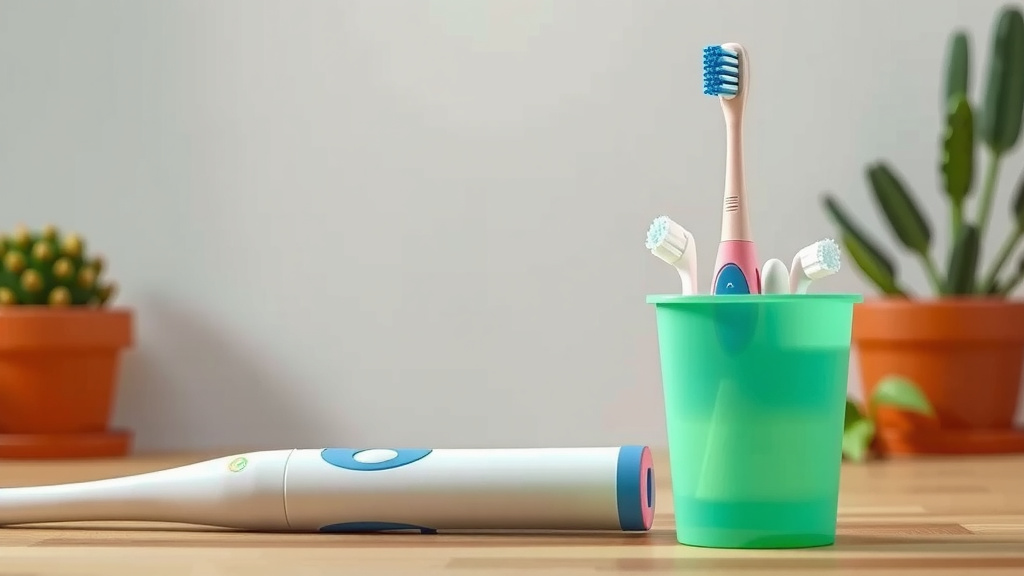
Follow these steps to get your electric toothbrush ready for its next journey.
1. Remove the Brush Head
This is usually the easiest part. Most electric toothbrush heads detach with a simple pull or twist. Discard the brush head separately. Many recycling programs accept these plastic heads, but some might have specific guidelines. If unsure, check with your local recycling center. Often, these can go in your regular recycling bin if your program accepts them.
2. Remove the Battery (If Possible)
This is a critical step for many types of batteries. Some electric toothbrushes allow you to easily remove the battery. If yours does, take it out. Batteries often need to be recycled separately from the main unit. Check your toothbrush’s manual for instructions on battery removal.
If the battery is sealed and cannot be removed without damaging the unit, don’t force it. Many e-waste recyclers are equipped to handle batteries that are still inside the device. Just make sure the unit as a whole is designated for e-waste recycling.
3. Consider Mail-In Programs
If you’re using a manufacturer’s mail-in program, follow their specific instructions carefully. They’ll usually provide packaging or tell you how to prepare the item for shipping. This is often a very convenient option if you don’t have local e-waste facilities nearby.
4. Find a Certified E-Waste Recycler
Not all recycling is created equal. Look for recyclers certified by organizations like R2 (Responsible Recycling) or e-Stewards. These certifications ensure that recyclers adhere to strict environmental and safety standards. They handle hazardous materials properly and protect worker safety (EPA).
This might seem like a lot of detail, but it ensures that your old toothbrush isn’t just being moved around; it’s genuinely being processed in a safe and environmentally sound way. It’s about trusting the system to do the right thing.
What NOT to Do with Your Old Electric Toothbrush
Avoid these common disposal mistakes.
It bears repeating: never, ever put your electric toothbrush in your regular trash or recycling bin unless you’ve confirmed it’s accepted there. This includes the handle and any attached components. The risk of those hazardous materials leaching into the environment is too high.
Also, avoid trying to dismantle the device yourself if it’s not designed for easy battery removal. Tampering with batteries can be dangerous, leading to fires or chemical exposure. Stick to the recommended methods for safe disposal and recycling.
A Quick Checklist for Eco-Friendly Disposal
Here’s a handy checklist to ensure you’re doing it right:
- Confirm your electric toothbrush is e-waste.
- Check your local government’s website for e-waste drop-off points.
- Look for manufacturer or retailer take-back programs.
- Remove the brush head and battery if easily detachable.
- Take the unit to a certified e-waste recycling facility.
- Never throw it in your regular trash or recycling bin.
Conclusion
You’ve taken a great step towards a greener routine by learning how to dispose of your electric toothbrush responsibly. Remember, these devices aren’t meant for your regular trash bin due to their batteries and electronic components. Your best bet is always e-waste recycling. By checking local centers, manufacturer programs, or retailer initiatives, you can ensure your old brush is handled safely. Make it a habit to check these options before tossing any old electronics. Your next step is simple: find your nearest e-waste drop-off or mail-in program today!
Frequently Asked Questions
Can I just throw the brush head away?
Most electric toothbrush heads are made of plastic. If your local recycling program accepts small plastic items, you can typically put the brush head in your regular recycling bin. If you’re unsure, it’s best to check with your local recycling facility.
What if my electric toothbrush battery is dead but still working?
Even if your electric toothbrush is still functional but you’re replacing it, the proper disposal method remains the same. You’ll still want to recycle the entire unit as e-waste to ensure the battery is handled safely.
Are there any brands that offer free recycling?
Many electric toothbrush manufacturers do offer free recycling programs, often through mail-in services or partnerships with recycling centers. You can usually find details about these programs on the brand’s official website under their sustainability or product care sections.
How do I know if a recycler is certified?
Look for recyclers certified by reputable organizations like R2 (Responsible Recycling) or e-Stewards. These certifications mean the facility follows strict environmental and safety standards for handling electronic waste. You can often find lists of certified recyclers on their respective organization websites.
What if my city doesn’t have an e-waste drop-off center nearby?
If local options are limited, consider using manufacturer mail-in programs or looking for retailer take-back initiatives at stores that sell electronics. Some mail-in programs provide prepaid shipping labels, making it convenient to send your old toothbrush for proper recycling.