Electric vs Standard Toothbrush: Which to Pick?
When choosing between an electric vs. standard toothbrush, most dentists recommend electric toothbrushes for their superior plaque removal and ease of use. While a manual brush can be effective with proper technique, electric models often provide a more consistent and thorough clean, potentially reducing your risk of cavities and gum disease.
This decision isn’t just about price; it’s about finding the right tool for your unique oral health needs. We found that the vibrating or rotating action of electric toothbrushes can make a big difference in maintaining a healthy smile. Many people also find them gentler on gums when used correctly.
- Electric toothbrushes generally remove more plaque.
- They can be easier to use for some people.
- Proper technique matters for both types.
- Consider your budget and dental needs.
- Both can lead to a healthy smile.
Let’s break down the key differences between electric and standard toothbrushes to help you make the best choice for your smile.
Choosing Your Brushing Buddy: Electric vs. Manual
So, you’re standing in the toothbrush aisle, feeling a bit overwhelmed. It’s a simple choice, right? Not always! We know that picking the right toothbrush can feel like a big deal for your oral health. We’ve looked into it, and it turns out there are some key differences between electric and standard toothbrushes that can affect how clean your teeth get.
The big question is: which one is going to give you the healthiest smile? We found that most dental professionals lean towards electric brushes. They often make it easier to remove plaque effectively. But don’t count out your trusty manual brush just yet! With the right technique, a manual toothbrush can also do a great job.
Let’s break down what makes each type tick. We want you to feel confident about your choice.
How They Work: The Mechanics of Clean
Understanding how each brush cleans can help you decide. It’s not just about bristles on teeth. There’s a bit more science to it than you might think!
Standard (Manual) Toothbrushes
Your standard toothbrush is pretty straightforward. You manually move it around your mouth. You control the pressure and the motion. It relies entirely on your technique. This means you need to be mindful of covering all surfaces of your teeth. It’s a familiar tool for most of us.
Electric Toothbrushes
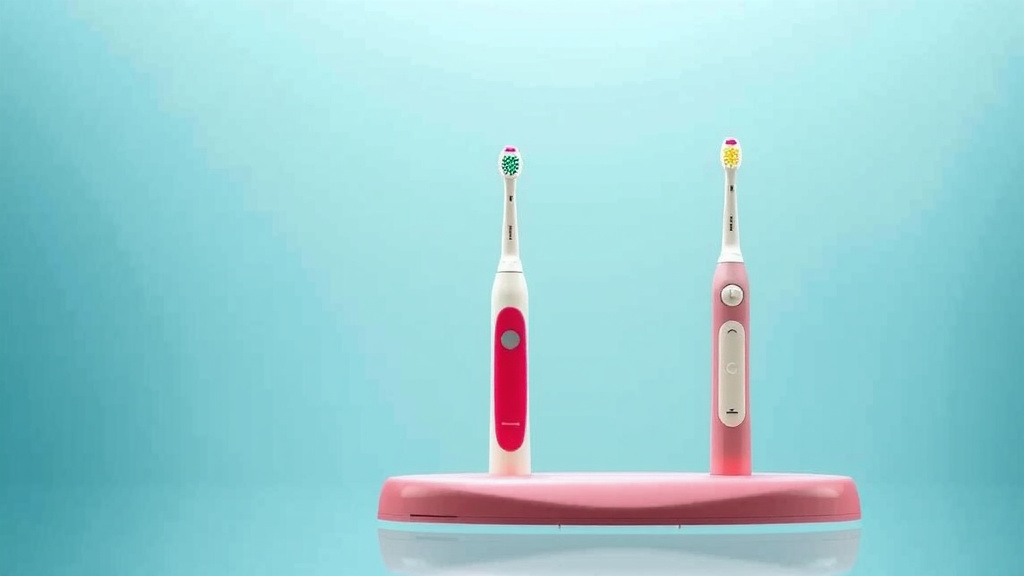
Electric toothbrushes do a lot of the work for you. They use either a rotating-bristle head or sonic vibrations. The bristles move quickly. This motion is designed to sweep away plaque. Many studies show they are more effective at removing plaque than manual brushes. You simply guide the brush. It’s like having a tiny dental assistant!
Types of Electric Toothbrushes
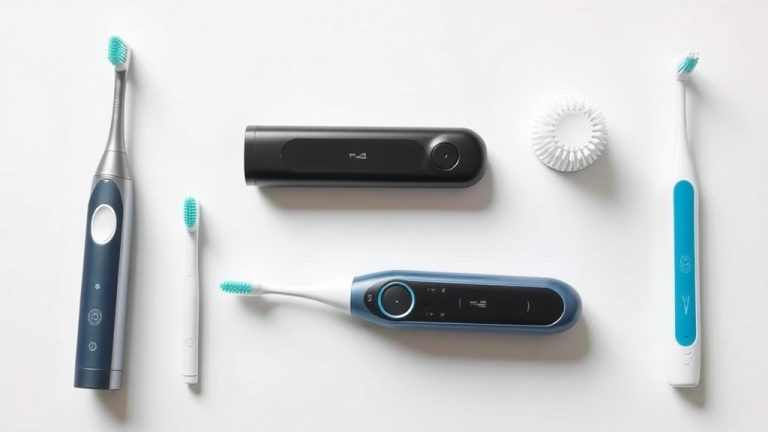
There are two main types you’ll encounter:
- Rotating-oscillating brushes: These have a small, round brush head. It spins back and forth. Some also pulsate to loosen plaque.
- Sonic brushes: These have brush heads that move side-to-side at very high speeds. They create vibrations. These vibrations can create fluid dynamics. This helps clean beyond where the bristles physically touch.
Plaque Removal: The Main Event
The primary goal of brushing is to remove plaque. Plaque is that sticky film of bacteria. If left unchecked, it can lead to cavities and gum disease. This is where electric brushes often shine.
Electric’s Edge in Plaque Control
Research consistently shows that electric toothbrushes are better at plaque removal. Especially models with the oscillating-rotating heads. We found that they can remove up to 21% more plaque than manual brushes. This is partly because their consistent motion is hard to replicate manually. It can reach tricky spots more easily.
Manual Brushing: Technique is Key
Can a manual toothbrush remove plaque effectively? Absolutely! It just takes more skill and attention. You need to use gentle, circular motions. Focus on each tooth surface. Many people simply brush too hard or miss areas. The American Dental Association (ADA) recommends brushing twice a day for two minutes. This is true for both types of brushes.
Ease of Use and Accessibility
Let’s talk about who might benefit most from each type. Sometimes, the physical act of brushing is a factor.
Who Benefits from Electric?
Electric toothbrushes can be a game-changer for certain individuals. People with limited dexterity, like those with arthritis or carpal tunnel syndrome, find them much easier to use. The brush does the motion. You just need to guide it. Children can also benefit. The novelty and ease can encourage better brushing habits. Many electric brushes also have built-in timers.
Manual Brushes: The Reliable Classic
Manual toothbrushes require no batteries or charging. They are lightweight and portable. You can take them anywhere. They are also typically much more affordable upfront. For someone with good manual dexterity and a solid brushing technique, a manual brush is perfectly adequate.
Gum Health Considerations
Your gums are just as important as your teeth. Brushing too hard can cause damage. Let’s see how each brush measures up.
Gentler on Gums?
Many electric toothbrushes have pressure sensors. These alert you if you’re brushing too hard. This feature can be incredibly helpful. It prevents you from damaging your gum tissue. We found that when used correctly, electric brushes are often gentler on gums. They help maintain healthy gum lines.
Manual Brushing and Gum Health
With a manual brush, you need to be extra careful about pressure. Overly aggressive brushing is a common cause of gum recession. Using a soft-bristled brush is essential. The ADA recommends soft bristles for everyone. You must consciously control your pressure to avoid irritating your gums. It’s a delicate balance.
Cost and Maintenance
Your budget is likely a factor. Let’s look at the financial side of things.
Initial Investment vs. Long-Term Costs
Manual toothbrushes are very inexpensive. You can buy a pack for just a few dollars. Electric toothbrushes have a higher initial cost. They can range from $20 to over $100. However, you only need to replace the brush heads every 3-4 months, similar to a manual brush.
Replacement Heads and Overall Value
Replacement brush heads for electric toothbrushes can cost $5 to $15 each. Over time, the cost of replacement heads adds up. But many people find the enhanced cleaning performance justifies the expense. When you consider the potential for fewer dental issues, the long-term value can be quite good.
Making Your Final Decision: A Quick Checklist
Still on the fence? We get it! Here’s a little checklist to help you weigh your options:
- Do you struggle with consistent brushing technique?
- Are you looking for the most effective plaque removal?
- Do you have any dexterity issues that make manual brushing difficult?
- Is reducing your risk of cavities and gum disease a top priority?
- Are you comfortable with a higher upfront cost for potential long-term benefits?
- Do you prefer a tool that does some of the “work” for you?
If you answered “yes” to several of these, an electric toothbrush might be your best bet. If you have a great technique and are happy with your current manual brush, stick with what works!
| Feature | Electric Toothbrush | Standard Toothbrush |
|---|---|---|
| Plaque Removal | Generally superior, consistent motion | Effective with proper technique |
| Ease of Use | High, especially for those with dexterity issues | Requires good manual technique |
| Gum Health | Often gentler with pressure sensors | Requires careful, gentle pressure |
| Cost (Initial) | Higher | Very low |
| Cost (Ongoing) | Replacement heads | New brush every 3-4 months |
| Features | Timers, pressure sensors, multiple modes | Basic, effective tool |
Conclusion
You’ve seen the breakdown: electric toothbrushes often win for superior plaque removal and ease of use, especially if you struggle with technique or dexterity. They can be gentler on gums with built-in sensors. However, a manual toothbrush remains a perfectly effective choice if you have solid brushing habits and prefer a simpler, more budget-friendly option. Your best bet for a healthy smile is the brush you’ll use consistently and correctly. So, consider your personal needs, budget, and what feels best in your hand. Your dentist can also offer personalized advice. Ready to make the switch or confirm your current choice? Look for dentist-recommended models that fit your routine.
Frequently Asked Questions
Is an electric toothbrush really worth the extra cost?
For many people, yes. Research consistently shows electric brushes remove more plaque. They often have features like timers and pressure sensors that improve brushing habits. While the upfront cost is higher, the potential for better oral health and fewer dental issues can make it a worthwhile investment.
Can a manual toothbrush be just as good as an electric one?
Absolutely, if used with the correct technique. The key is consistent, gentle, circular motions covering all tooth surfaces for two minutes, twice a day. If you’re confident in your manual brushing skills, a manual toothbrush can be very effective. However, most dentists find electric brushes make achieving that level of clean easier for the average person.
Which type of electric toothbrush is best: oscillating-rotating or sonic?
Both types are highly effective at removing plaque. Oscillating-rotating brushes have small heads that spin back and forth, while sonic brushes vibrate rapidly side-to-side. Many studies find oscillating-rotating models slightly superior for plaque removal. The best choice often comes down to personal preference and comfort.
How often should I replace my toothbrush head, whether electric or manual?
Dentists and manufacturers generally recommend replacing your toothbrush or brush head every 3 to 4 months. This is because bristles fray over time, becoming less effective at cleaning. You should also replace it sooner if the bristles look worn out or after you’ve been sick.
Are electric toothbrushes better for people with sensitive gums?
Often, yes. Many electric toothbrushes come equipped with pressure sensors that alert you if you’re brushing too hard, which is a common cause of gum irritation. The consistent, controlled motion of an electric brush can also be gentler than manual brushing if you tend to apply too much force.