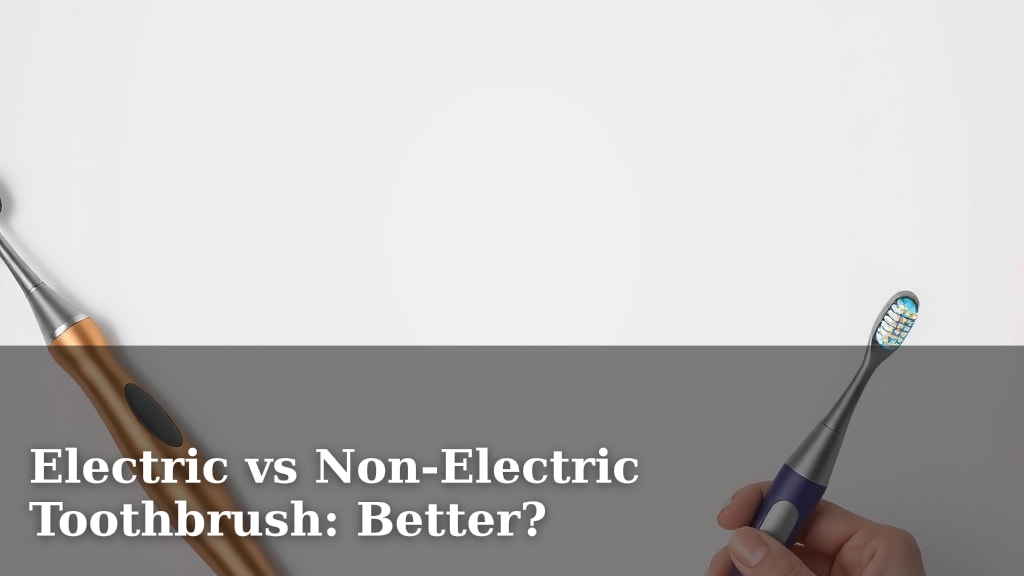
Electric vs Non-Electric Toothbrush: Better?
When comparing electric vs. non-electric toothbrushes, many experts and studies suggest that electric toothbrushes generally offer a superior clean. They often remove more plaque and can be easier to use effectively, especially for those with limited dexterity. While a manual toothbrush can get the job done, an electric one often makes brushing more efficient and thorough.
Choosing the right toothbrush depends on your personal preferences and what works best for your dental care routine. Both types can contribute to good oral hygiene, but the technology in electric models can provide advantages. We’ll look at how they stack up in terms of plaque removal and overall gum health.
- Electric toothbrushes often remove more plaque than manual ones.
- They can be easier for people with arthritis or other dexterity issues.
- Proper technique is key for both electric and manual brushing.
- Cost and personal preference play a big role in the choice.
Let’s break down the differences between electric and non-electric toothbrushes to help you decide which is the better fit for your smile.
Electric vs. Manual Toothbrushes: Which One Reigns Supreme?
Many dentists agree that electric toothbrushes can offer a more effective clean than manual ones. They often remove more plaque and are simpler to use correctly. This can lead to better gum health over time. But don’t count out your trusty manual brush just yet! With the right technique, a manual toothbrush can still do a great job.
Plaque Removal: The Numbers Game
When it comes to scrubbing away that sticky plaque, electric toothbrushes often have an edge. Research has shown that they consistently remove more plaque than manual brushes. Think of it like this: an electric toothbrush does the hard work for you with thousands of brush strokes per minute. A manual brush relies entirely on your arm power and technique.
Studies, including a large Cochrane Review, found that electric toothbrushes, particularly those with oscillating-rotating heads, were more effective at reducing plaque and gingivitis. This means a cleaner mouth and a happier smile with less effort for you. Less plaque buildup can also mean fewer trips to the dentist for cavities and gum issues (National Institutes of Health).
Ease of Use and Technique
Let’s be honest, sometimes brushing our teeth feels like a chore. Electric toothbrushes can make this daily task much easier. You simply guide the brush head along your teeth and gums. The brush does the oscillating, rotating, or vibrating for you.
Who Benefits Most from Electric?
These brushes are a lifesaver for people who have difficulty with the fine motor skills needed for manual brushing. This includes individuals with conditions like arthritis, carpal tunnel syndrome, or other mobility issues. It can also be great for children who are still learning to brush properly. Your dentist might even recommend an electric brush if you struggle with consistent technique.
Mastering the Manual Technique
However, if you’re a pro with your manual brush, you can achieve excellent results. The key is to use gentle, short strokes at a 45-degree angle to your gumline. Many people tend to brush too hard, which can damage gums and enamel. If you’re using a manual brush, focus on this technique. A good manual brushing session should take about two minutes, just like with an electric model.
Gum Health: Protecting Your Smile’s Foundation
Healthy gums are the bedrock of a healthy mouth. Both types of toothbrushes can contribute to good gum health, but electric models may offer an advantage in preventing gum disease.
We found that the consistent, gentle cleaning action of electric toothbrushes can be kinder to your gums. This is because they often have built-in pressure sensors that alert you if you’re brushing too hard. Excessive force can lead to receding gums and tooth sensitivity. Over time, this can seriously impact your oral health.
Features and Innovations: What’s on Offer?
Electric toothbrushes come with a variety of bells and whistles these days. Some connect to smartphone apps to track your brushing habits. Others offer different cleaning modes for sensitive teeth or whitening. Many also have built-in timers to ensure you brush for the recommended two minutes.
The Simple Charm of Manual
Manual toothbrushes, on the other hand, are straightforward. You pick one up, apply toothpaste, and brush. There are no batteries to charge or apps to download. Their simplicity is part of their appeal for many people.
Cost: The Long-Term Investment
Let’s talk money. The initial cost of an electric toothbrush is higher than a manual one. You might spend anywhere from $20 to over $200 for an electric model. Manual toothbrushes typically cost just a few dollars.
However, you need to consider the replacement brush heads for electric brushes. These usually need to be swapped out every three months, just like manual toothbrushes. Over several years, the cost difference might narrow. Think of an electric toothbrush as an investment in your oral health. While a manual brush is an easy buy, the long-term benefits of electric might outweigh the upfront cost for some.
Making the Right Choice for You
So, is an electric toothbrush better than a non-electric one? The research suggests electric models often provide a superior clean, especially in plaque removal. They can also be easier to use effectively for many people.
But here’s the most important part: the best toothbrush is the one you’ll use consistently and correctly. If you hate the feel of an electric brush or find it too complicated, a manual one used with proper technique will serve you well.
Consider these points when making your decision:
- Your budget for the initial purchase and ongoing brush head replacements.
- Your dexterity and any physical challenges you might have.
- How much time and effort you want to put into your brushing technique.
- Your personal preference for the feel and experience of brushing.
- What your dentist recommends based on your specific oral health needs.
Conclusion
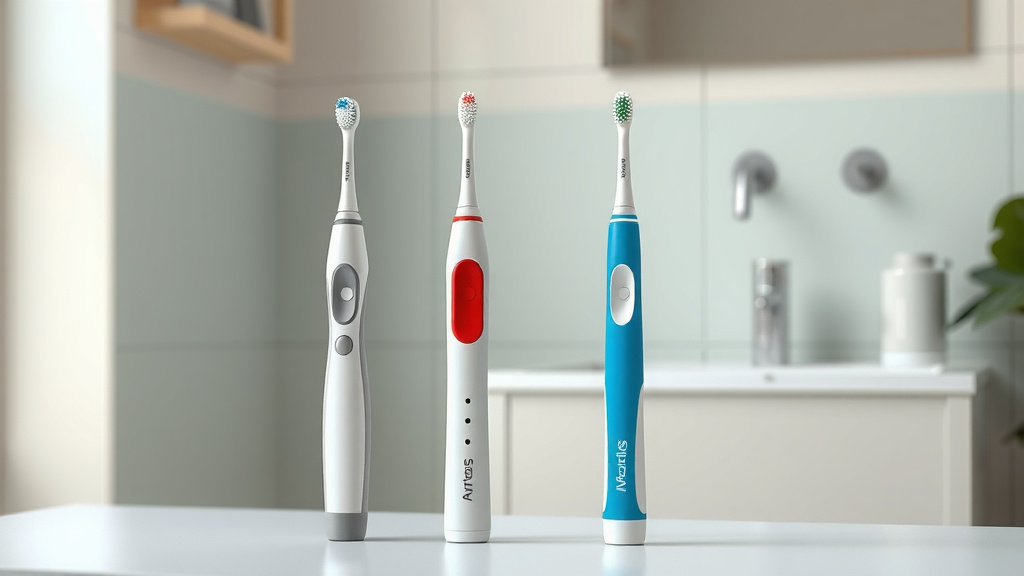
Ultimately, the debate between electric and non-electric toothbrushes isn’t about one being definitively “better” for everyone. While research consistently shows electric models often excel at plaque removal and can be easier to use effectively, your personal experience is key. The best toothbrush is the one that fits your budget, your dexterity, and most importantly, the one you’ll use consistently and correctly every single day. Think about your daily routine and oral health needs. If you’re looking for a more efficient clean or struggle with manual brushing technique, an electric toothbrush might be a worthwhile investment. If you’re happy with your current manual brushing routine and excellent technique, keep up the great work!
Frequently Asked Questions
Can a manual toothbrush actually be as effective as an electric one?
Yes, a manual toothbrush can be just as effective if you use proper technique. This means brushing gently at a 45-degree angle to your gumline for two minutes. The key is consistency and ensuring you reach all surfaces of your teeth.
Are electric toothbrushes worth the extra cost?
For many people, yes. Electric toothbrushes often remove more plaque and can make brushing easier, especially for those with dexterity issues. While the initial cost is higher, consider it an investment in potentially better long-term oral health.
Do electric toothbrushes damage your gums?
Electric toothbrushes are generally safe for your gums when used correctly. Many models have pressure sensors that alert you if you’re brushing too hard, which is a common cause of gum damage with manual brushes.
How often should I replace my toothbrush head, whether electric or manual?
Dentists typically recommend replacing both manual toothbrushes and electric toothbrush heads every three to four months. You should also replace them sooner if the bristles become frayed or if you’ve been sick.
Will switching to an electric toothbrush make a noticeable difference immediately?
You might notice a difference in how clean your teeth feel right away. Many users report a smoother, fresher feeling after their first few uses. Over time, consistent use can lead to improved gum health and reduced plaque buildup.