Electric vs Battery Toothbrush: Which Is Better?
When deciding between an electric vs. battery toothbrush, the electric toothbrush generally offers a superior clean. While both can keep your teeth healthy, electric models often provide more consistent plaque removal and can be easier to use for many people. We found that the powered motion of electric brushes is a key advantage.
Your choice can impact your oral hygiene routine. Understanding the differences helps you pick the best tool for your smile. Many dentists agree that the technology in electric brushes can lead to better long-term results for your gums and teeth. Let’s look at which one is right for you.
- Electric toothbrushes often remove more plaque.
- They can be simpler to operate, especially for those with dexterity issues.
- Battery toothbrushes are a good budget-friendly and travel option.
- Both require proper technique and regular replacement heads/batteries.
- Ultimately, the best brush is the one you’ll use consistently and correctly.
We’ve researched the details to help you make the best choice for your dental health. Let’s break down the pros and cons of electric versus battery toothbrushes to see which comes out on top for your needs.
Electric Versus Battery Toothbrushes: What’s the Difference?
When you’re standing in the oral care aisle, you’ll see two main types of powered toothbrushes. You have your battery-operated models, which often look like manual brushes but have a little motor inside. Then there are the electric toothbrushes. These tend to be a bit more robust and come with different brush head technologies. Many dental professionals say that the powered motion of an electric toothbrush is key to a better clean.
Let’s break down what makes each one tick and what that means for your smile. It’s not just about convenience; it’s about how effectively they can help you maintain good oral hygiene. We found that understanding these differences can really help you make the right choice for your daily routine.
How Battery Toothbrushes Work
Think of a battery toothbrush as a manual toothbrush with a little extra pep. It usually runs on AA or AAA batteries, which power a small vibrating motor. This motor moves the brush head, but it’s often a less powerful oscillation or vibration compared to its electric cousins. You still control the movement and pressure, just like with a manual brush.
They are a great option if you want a bit of help without a big investment. You’ll need to replace the batteries every so often, and of course, the brush head itself. It’s a step up from a basic manual brush for many people. We found they offer a good balance of affordability and improved cleaning.
Understanding Electric Toothbrushes
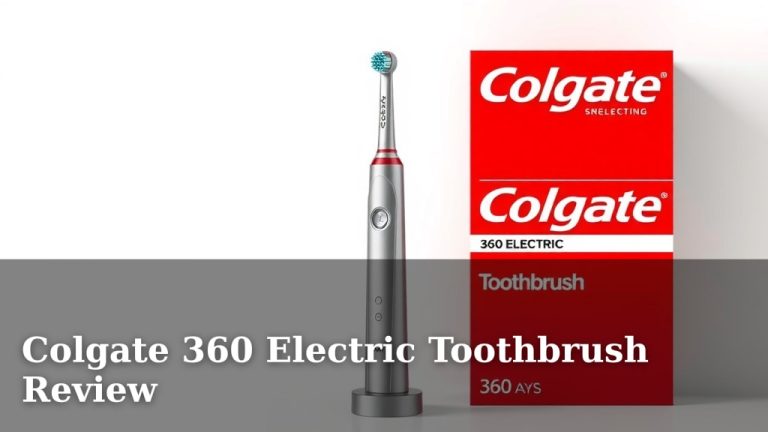
Electric toothbrushes are a different breed. They plug into a charging base or have a rechargeable battery built into the handle. These brushes use a stronger motor to create more powerful rotations, oscillations, or sonic vibrations. This means they do a lot of the work for you. You simply guide the brush head along your teeth.
The technology in electric brushes can be quite advanced. Some offer different brushing modes, pressure sensors to prevent you from brushing too hard, and even app connectivity to track your brushing habits. Many dentists recommend them for their consistent performance. We found that this level of technology can significantly impact plaque removal.
Types of Electric Brush Movements
Electric toothbrushes aren’t all the same. They generally fall into two main categories based on their cleaning action. These different motions are designed to tackle plaque in slightly different ways.
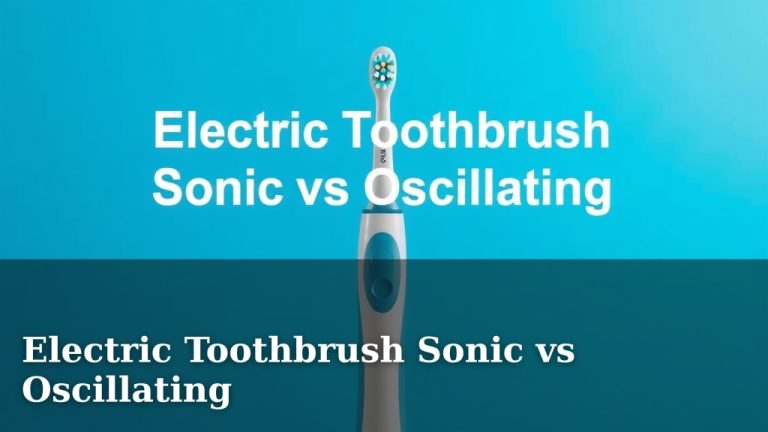
Oscillating-Rotating Brushes
These brushes have a small, round brush head that spins and pulses. The head rotates back and forth rapidly while also moving in and out. This action helps to cup each tooth and sweep away plaque effectively. Many studies have shown this type of brush to be very good at reducing plaque and gingivitis. We found that this focused, dynamic motion is a major advantage for many users.
Sonic Vibrating Brushes
Sonic toothbrushes vibrate at a very high speed, creating thousands of brush strokes per minute. This rapid vibration can create a fluid dynamic effect. It helps to dislodge plaque not just where the bristles touch, but also in between teeth and along the gumline. The bristles often move side-to-side in a sweeping motion. Many users find this gentler than oscillating heads. Our research found this technology offers a thorough clean.
Key Differences Summarized
Let’s lay out the main distinctions in a simple comparison. This should help you see at a glance what sets them apart. The choice often comes down to your personal preferences and needs.
| Feature | Battery Toothbrush | Electric Toothbrush |
|---|---|---|
| Power Source | Replaceable batteries (AA/AAA) | Rechargeable battery or plug-in |
| Cleaning Action | Vibrates; requires user movement | Oscillating-rotating or sonic vibration; guides the brush |
| Plaque Removal | Good, but depends heavily on user technique | Often superior and more consistent |
| Ease of Use | Similar to manual, slight power boost | Generally easier; less physical effort required |
| Cost | Lower initial cost, ongoing battery cost | Higher initial cost, potential long-term value |
| Features | Basic vibration | Timer, pressure sensor, multiple modes, app connectivity (on some models) |
Who Benefits Most from Each Type?
Battery Toothbrushes: The Practical Choice
These brushes are fantastic for travelers. They don’t require a charging base, making them easy to pack. If you’re on a tight budget, they’re also a more accessible entry point into powered brushing. Many people find them perfectly adequate for maintaining good oral health. We found that for individuals who prefer more manual control, a battery brush is a solid option. It’s a great starting point for exploring powered brushing.
Electric Toothbrushes: The Deep Clean Champion
If you struggle with dexterity issues, like arthritis, an electric toothbrush can be a game-changer. The powered motion does most of the work, making it easier to achieve a thorough clean. They are also highly recommended for individuals who want to maximize plaque removal. Many dental professionals point to electric brushes for their effectiveness in preventing gum disease. We found that the consistent power and motion can lead to a noticeably cleaner feeling mouth.
Special Considerations for Electric Users
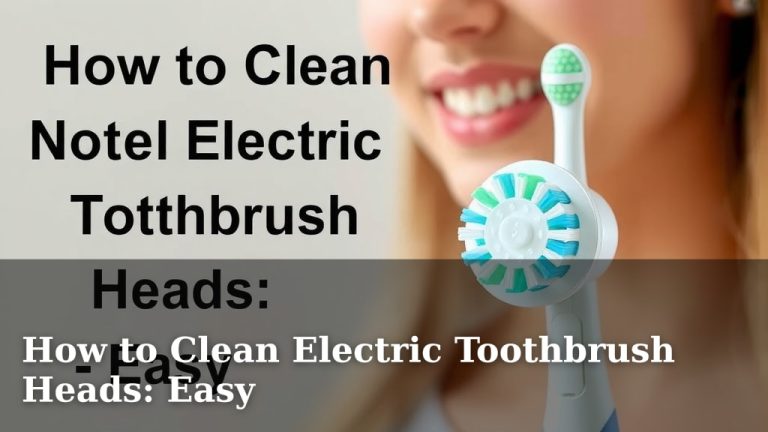
With an electric brush, you might find it takes a little adjustment to get used to the vibration or oscillation. It’s important to let the brush do the work and not press too hard. Most electric models have built-in timers, which is a great feature. This ensures you brush for the dentist-recommended two minutes. You’ll also need to remember to replace the brush heads every 3-4 months, just like with a manual or battery brush.
Making the Final Decision for Your Smile
So, which one is truly better? Research and expert opinions often lean towards electric toothbrushes for their superior plaque-removing capabilities and ease of use. The American Dental Association (ADA) notes that powered toothbrushes can be more effective than manual brushing for many people. However, the best toothbrush is the one you’ll use consistently and correctly.
If you’re looking for affordability and simplicity, a battery toothbrush is a good choice. If you want the most efficient clean and are willing to invest a bit more, an electric toothbrush is likely the way to go. Think about your daily routine, any physical challenges you might have, and what you want to achieve for your oral health.
Your Oral Health Checklist
No matter which type of brush you choose, here are some tips to ensure you’re getting the most out of it:
- Brush twice a day for two minutes each time.
- Use a fluoride toothpaste.
- Replace brush heads or batteries regularly (every 3-4 months).
- Don’t forget to brush your tongue!
- See your dentist for regular check-ups.
- Use gentle pressure; let the brush do the work.
Conclusion
You’ve seen how both battery and electric toothbrushes can boost your oral hygiene. While battery models offer a budget-friendly and travel-ready option, our research and dental professional consensus point to electric toothbrushes for a superior, more consistent clean. Their advanced technology, from oscillating-rotating heads to sonic vibrations, aids in effective plaque removal and ease of use, especially for those with dexterity challenges. Ultimately, the best brush for your smile is the one you’re motivated to use correctly and consistently every day. Your next step? Consider your personal needs and budget to choose the brush that will best support your daily dental routine.
Frequently Asked Questions
Are battery toothbrushes effective enough?
Yes, battery toothbrushes can be effective for maintaining good oral hygiene. They offer a vibrating action that helps remove plaque, and many people find them a good upgrade from manual brushes. Your brushing technique remains important for achieving the best results.
Can an electric toothbrush replace flossing?
No, an electric toothbrush cannot replace flossing. While electric brushes are excellent at cleaning tooth surfaces and along the gumline, they cannot reach between teeth as effectively as floss. Flossing is still essential for removing plaque and food particles from these tight spaces.
How often should I replace the brush head or batteries?
You should replace your toothbrush head, whether it’s for a battery or electric model, every 3 to 4 months, or sooner if the bristles become frayed. For battery-powered brushes, you’ll need to replace the batteries when they no longer provide sufficient power for optimal cleaning.
Is it okay to use an electric toothbrush if I have sensitive gums?
Many electric toothbrushes come with pressure sensors designed to alert you if you’re brushing too hard, which is beneficial for sensitive gums. Some models also offer softer brush heads or specific modes for sensitive teeth and gums, making them a good option.
Which type of electric toothbrush is better: oscillating-rotating or sonic?
Both oscillating-rotating and sonic toothbrushes are highly effective at removing plaque. Oscillating-rotating brushes use a small, round head that cups each tooth, while sonic brushes use high-speed vibrations. Your preference for the feel and cleaning action will likely determine which type you find better for your needs.