Electric Toothbrush vs Ultrasonic: Best Pick?
Navigating the electric toothbrush vs ultrasonic debate in 2026? While both promise a brighter smile, the real winner hinges on what your pearly whites truly need. Ultrasonic models boast an almost imperceptible hum, utilizing ultra-high frequency waves to obliterate plaque at a microscopic level for an unparalleled deep clean. Traditional electric toothbrushes, though still mighty, primarily leverage the power of their oscillating bristles to scrub away the day’s buildup. Let’s break down which technology is best for you.
Both types can be a big upgrade from manual brushing. They help remove more plaque and can lead to healthier gums. Many people find they reduce staining and improve overall oral hygiene. But understanding the core technology behind each can help you decide which is right for your smile.
- Ultrasonic is generally considered more advanced.
- Electric toothbrushes offer a powerful bristle action.
- Both improve plaque removal over manual brushes.
- Your personal preference matters for consistency.
Let’s break down what makes each type tick and help you find the perfect match for your daily routine.
Choosing Between Electric and Ultrasonic Toothbrushes: What’s Best for Your Smile?
Deciding between an electric and an ultrasonic toothbrush can feel like a big choice for your daily routine. Both offer a superior clean compared to manual brushing. They can make a noticeable difference in your oral health. We’ve looked into how each works to help you make the right pick for your mouth.
How Electric Toothbrushes Work: The Bristle Powerhouse
Electric toothbrushes are designed with a familiar concept: moving bristles. They use a motor to create rapid movements. These motions can be oscillating (back and forth) or sonic (vibrating side to side). You guide the brush head over your teeth. The bristle action does most of the heavy lifting for plaque removal. Many people find they get a more thorough clean with less effort.
Types of Electric Toothbrush Movements
You’ll see a few main types of movement when shopping. Oscillating-rotating brushes spin in circles. They often have smaller brush heads. Sonic brushes vibrate at high speeds. Their brush heads are usually a bit larger, similar to manual brushes. Both aim to sweep away plaque effectively. Research suggests that oscillating-rotating brushes may remove more plaque than sonic ones (Cochrane Library). But the difference can be slight.
Benefits of Electric Toothbrushes
Electric models can be very effective at reducing gingivitis. This is inflammation of the gums. They often have built-in timers. These help you brush for the dentist-recommended two minutes. Many also have pressure sensors. These alert you if you’re brushing too hard, which can damage enamel and gums. This makes them great for people who tend to scrub too much.
Understanding Ultrasonic Toothbrushes: The High-Frequency Clean
Ultrasonic toothbrushes take a different approach. They don’t rely on high-speed bristle movement. Instead, they use ultrasonic vibrations. These vibrations are incredibly fast, far above the range of human hearing. Think of it like a silent, super-fast hum. These vibrations create tiny bubbles in your saliva. These bubbles help to disrupt and remove plaque and bacteria. The bristles still move, but at a much slower, gentler speed, often around 2.4 million vibrations per minute (American Dental Association).
The Science Behind Ultrasonic Cleaning
The key to ultrasonic cleaning is the high frequency. This frequency is what helps break down the sticky film of plaque. It can reach areas that bristles might miss. Some studies suggest that ultrasonic technology may be more effective at killing bacteria. This is due to the intense vibrations. It’s a gentler experience on your gums too. The main action is the vibration, not vigorous scrubbing.
When Ultrasonic Might Be Your Best Bet
If you have sensitive gums or teeth, an ultrasonic brush could be ideal. The gentler bristle action combined with the ultrasonic waves can provide a deep clean without irritation. People with braces or dental work might also find them beneficial. They can clean around hardware more effectively. Many users report a feeling of exceptional smoothness on their teeth after using one.
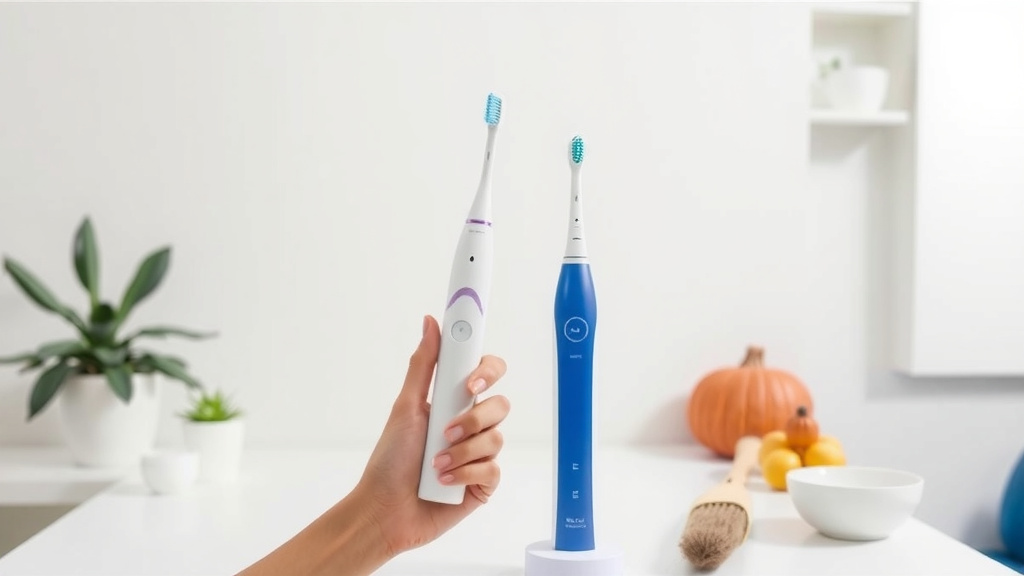
Electric vs. Ultrasonic: A Side-by-Side Comparison
Let’s lay out the differences clearly. It helps to see them side-by-side.
| Feature | Electric Toothbrush | Ultrasonic Toothbrush |
|---|---|---|
| Cleaning Mechanism | Bristle movement (oscillating or sonic) | High-frequency vibrations (ultrasonic waves) + gentle bristle movement |
| Plaque Removal | Effective through bristle action | Highly effective, especially in hard-to-reach areas |
| Gum Sensitivity | Can be effective, but requires careful pressure | Generally gentler on gums |
| Speed/Frequency | Varies by model, high bristle speed | Extremely high vibration frequency (millions per minute) |
| Cost | Wide range, generally more affordable options | Often higher price point |
Power and Gentleness: Finding the Balance
Electric toothbrushes offer robust cleaning power through their brush head movements. You feel the bristles working. Ultrasonic brushes achieve their cleaning action through unseen waves. The bristles move, but it’s the vibration that does the deep work. This can make ultrasonic brushes feel almost passive. But research shows they are very good at breaking down plaque.
Ease of Use and User Experience
Both types are designed to be easier than manual brushing. Electric toothbrushes require you to guide the head. You don’t need to scrub. Ultrasonic brushes often feel even simpler. You might just need to hold the brush head against each tooth surface. This ease of use can be a major factor. If a brush is simple to use, you’re more likely to use it consistently. And consistency is key for good oral health.
Which One is Right for You? Your Personal Checklist
Picking the perfect toothbrush depends on you. Think about what matters most for your daily brushing. Here’s a quick way to decide:
- Are your gums sensitive?
- Do you tend to brush too hard?
- Do you want the most advanced cleaning technology?
- What’s your budget for a toothbrush?
- Do you prefer a gentler brushing sensation?
If you have sensitive gums or want a deep clean with minimal scrubbing, an ultrasonic brush might be your top choice. If you’re looking for a powerful, bristle-driven clean with lots of feature options, a good electric toothbrush is a fantastic option. Many dentists agree that the best toothbrush is the one you’ll use properly and consistently (American Dental Association). So, consider what will make you look forward to brushing!
Conclusion
Ultimately, your best pick between an electric and an ultrasonic toothbrush comes down to your unique oral care needs and preferences. While ultrasonic brushes often offer a uniquely deep clean through high-frequency vibrations, standard electric toothbrushes provide a powerful and effective bristle-driven clean. Both are significant upgrades from manual brushing and can lead to healthier gums and a brighter smile. Think about your gum sensitivity, brushing habits, and budget. Then, make the choice that fits your lifestyle best. Your dentist will thank you!
Frequently Asked Questions
Do ultrasonic toothbrushes really clean better than electric ones?
Research suggests ultrasonic toothbrushes can be more effective at disrupting plaque and bacteria due to their high-frequency vibrations. While many electric toothbrushes offer an excellent clean through bristle action, the ultrasonic wave technology is considered more advanced for plaque removal and reaching difficult areas.
Can an ultrasonic toothbrush be too gentle to be effective?
Not at all. While the bristle movement on an ultrasonic brush is gentler, the cleaning power comes from millions of vibrations per minute that break down plaque. This technology is designed to provide a deep clean without the need for aggressive scrubbing, making it effective even if you have sensitive gums.
Are electric toothbrushes good for people who brush too hard?
Yes, many electric toothbrushes come equipped with pressure sensors. These sensors alert you if you’re applying too much force, helping to protect your enamel and gums from damage. This feature makes them an excellent choice if you tend to scrub vigorously with a manual brush.
Which type of toothbrush is generally more expensive?
Ultrasonic toothbrushes often come with a higher price tag compared to many electric toothbrush models. This is typically due to the advanced technology and the specialized components required for the high-frequency vibrations. However, there are also premium electric models that can be quite costly.
Is it difficult to get used to using an ultrasonic toothbrush?
Most users find ultrasonic toothbrushes very easy to use. They often feel less vigorous than traditional electric toothbrushes. You simply guide the brush head over your teeth, allowing the vibrations to do the work. This gentle approach can make the transition smooth, especially if you have sensitive teeth or gums.