Electric vs Standard Toothbrush: Which Wins?
When deciding between an electric vs standard toothbrush, research consistently shows that electric toothbrushes generally provide a superior clean. They remove more plaque and can reduce gingivitis more effectively than manual brushes. While a manual brush can be effective, it requires more technique. Electric models often do the hard work for you.
The key difference lies in their motion. Electric toothbrushes use high-speed oscillations or rotations to scrub your teeth. This powerful action is difficult to replicate with a manual brush. Many dental professionals agree that the consistent power of an electric brush makes a notable difference in oral hygiene. You might also find them easier to use.
- Electric toothbrushes often clean better.
- They remove more plaque.
- They can reduce gum inflammation.
- Technique matters more with manual brushes.
- Electric models offer consistent cleaning power.
Let’s walk through exactly what makes each type of toothbrush tick and how to choose the best one for your smile.
Weighing Your Options: Electric vs. Manual Toothbrush
Choosing the right toothbrush feels like a big decision for your oral health. You want to know which one will give you the cleanest teeth and the healthiest gums. Research consistently shows that electric toothbrushes tend to offer a superior clean. They can remove more plaque and reduce gingivitis more effectively than manual brushes. While a manual brush can certainly be effective, it requires more careful technique. Electric models often do much of the hard work for you. This makes them a popular choice for many people.
The Mechanics Behind the Clean
Let’s break down how each type of toothbrush works. Understanding their movements will help you see why one might be better for you.
How Manual Toothbrushes Work
Your standard, trusty manual toothbrush relies on your own arm and wrist power. You move the brush head back and forth or in circles. This action scrubs away plaque and food debris. The effectiveness really depends on how well you brush. You need to use the right technique. This means reaching all surfaces of your teeth. You should also angle the bristles towards the gum line. Many dental professionals agree that people can achieve a good clean with a manual brush. It just takes a bit more effort and attention to detail.
How Electric Toothbrushes Work
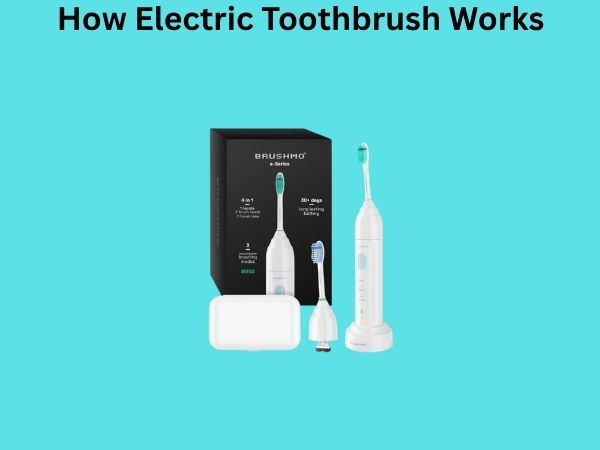
Electric toothbrushes do the scrubbing for you. They have a motor that makes the brush head move. These movements are usually very fast. You’ll find two main types of motion: oscillating-rotating and sonic. Oscillating-rotating brushes spin and pulsate. Sonic brushes vibrate at very high speeds. This rapid motion is difficult to replicate with your own hand. These powered movements can dislodge plaque more efficiently. It’s like having a tiny dental hygienist in your hand!
Oscillating-Rotating Technology
In this style, the brush head typically spins in one direction and then the other, often with a pulsating action. Many studies have shown this type of electric toothbrush to be very effective at removing plaque. The small, round brush heads often used in these models can also fit around individual teeth easily. This makes them great for cleaning along the gum line.
Sonic Technology
Sonic toothbrushes vibrate rapidly. These vibrations create a dynamic cleaning action. They can actually move fluid in your mouth. This helps clean hard-to-reach areas. The bristles move so fast they create a buzzing sensation. Some people find this very pleasant and effective. Research suggests these brushes are also highly effective at plaque removal and improving gum health (NCBI).
Key Differences in Performance
The biggest difference you’ll notice is in plaque removal. Electric toothbrushes, on average, remove more plaque than manual ones. This is a big deal for preventing cavities and gum disease.
We found that electric brushes can be up to 10 times more effective at removing plaque compared to manual brushes. This might seem like a lot, but the powered motion really makes a difference. Think of it like washing dishes. Scrubbing by hand can get them clean, but a dishwasher often does a more thorough job with less effort from you.
Beyond plaque, these brushes also help with gum health. They are often better at reducing gingivitis, which is inflammation of the gums. Healthy gums are essential for a healthy smile. Red, swollen, or bleeding gums are signs that something is wrong. Switching to an electric toothbrush might help improve these issues.
Who Benefits Most from Each Type?
While electric toothbrushes generally perform better, manual brushes still have their place. Your personal needs and habits are important.
When a Manual Toothbrush Might Be Your Best Bet
Manual toothbrushes are affordable and accessible. You can find them everywhere. They don’t require batteries or charging. For travelers, they are incredibly convenient. If you have a very limited budget, a manual brush is a good option. You can still achieve excellent oral health with one. It just requires diligence with your brushing technique. If you have sensitive gums, a manual brush with soft bristles might feel gentler. You have more control over the pressure.
When an Electric Toothbrush Shines
Electric toothbrushes are often recommended for people who struggle with brushing technique. If you have limited mobility, such as arthritis, the powered motion is a lifesaver. Children can also benefit. They might find the fun vibrations and lights more engaging. This can encourage better brushing habits from a young age. If you’re looking for the most efficient plaque removal, an electric model is likely your winner. Many people also find they simply enjoy brushing more with an electric toothbrush.
Features to Consider When Buying
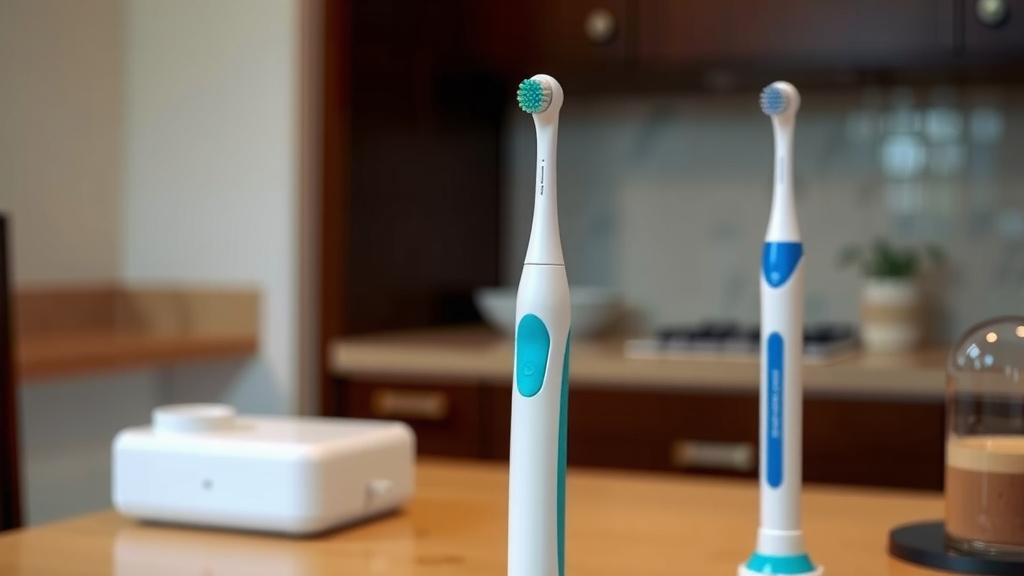
If you’re leaning towards an electric toothbrush, there are a few things to think about. These features can impact your experience and your oral health.
Brush Head Types and Bristles
Most electric toothbrushes come with replaceable heads. You’ll find different bristle types, like soft, medium, and hard. Dentists generally recommend soft bristles for most people. They are effective at cleaning without irritating your gums. You can also find specialized brush heads. Some are designed for whitening, others for sensitive teeth, and some for deep cleaning.
Built-in Timers and Pressure Sensors
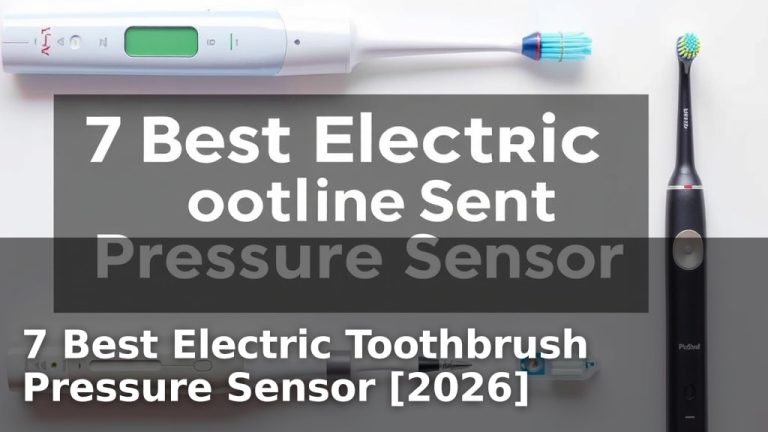
Many electric toothbrushes have helpful features. A built-in timer is common. It usually buzzes or stops after two minutes, which is the dentist-recommended brushing time. Some models also have pressure sensors. These alert you if you’re pressing too hard. This is great for protecting your gums and enamel. Over-brushing can cause damage.
Smart Technology and Apps
Some higher-end electric toothbrushes connect to smartphone apps. These apps can track your brushing habits. They might show you which areas you missed or how long you brushed. They can even offer personalized feedback. While these features are advanced, they can help you develop better routines.
Making Your Final Choice: A Quick Checklist
Still wondering which toothbrush is right for you? Ask yourself these questions:
- What is my budget for a toothbrush?
- Do I have any issues with dexterity or mobility?
- Am I confident in my manual brushing technique?
- Do I want the most efficient plaque removal possible?
- Am I prone to brushing too hard?
- Would I benefit from a built-in timer?
Answering these questions can point you in the right direction. Remember, the best toothbrush is the one you’ll use correctly and consistently.
Conclusion
After reviewing the details, it’s clear that electric toothbrushes generally offer a superior clean. Their powered movements excel at removing plaque and reducing gum inflammation, often surpassing what manual brushing can achieve. While a manual brush can still be effective with excellent technique, electric models simplify the process for most users. If you’re looking for better oral hygiene with less effort, an electric toothbrush is likely your best bet. Consider your budget and any personal needs, then make the switch for a healthier smile.
Frequently Asked Questions
Can a manual toothbrush ever be as good as an electric one?
Yes, a manual toothbrush can be just as effective if you use the correct technique and brush for the full two minutes. You need to ensure you reach all surfaces of your teeth and angle the bristles toward the gum line. Consistency with your technique is key.
Are electric toothbrushes worth the extra cost?
For many people, the answer is yes. Research consistently shows electric toothbrushes remove more plaque. This can lead to better long-term gum health and fewer cavities. If you struggle with manual brushing or want a more efficient clean, the investment can be well worth it.
How often should I replace my electric toothbrush head?
You should replace your electric toothbrush head every three to four months, or sooner if the bristles become frayed. Worn-out bristles are less effective at cleaning your teeth and can even damage your gums. Many electric toothbrushes have indicator bristles that fade to signal replacement time.
Can electric toothbrushes hurt my gums if I brush too hard?
Some electric toothbrushes come with pressure sensors that alert you if you’re brushing too hard. This feature is very helpful for preventing gum damage and enamel wear. Even without this feature, being mindful of your pressure can help protect your gums.
Which type of electric toothbrush is best: oscillating-rotating or sonic?
Both oscillating-rotating and sonic toothbrushes are highly effective at cleaning teeth and improving gum health. Studies show they remove plaque better than manual brushes. The best choice often comes down to personal preference regarding the feel of the brushing action.