7 Proven Benefits of Using a Water Flosser Daily
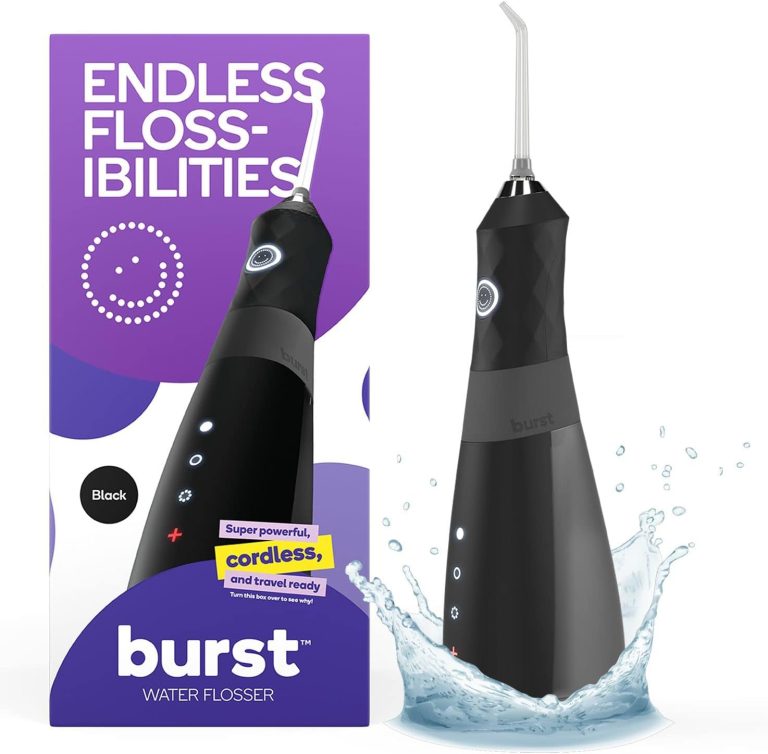
A water flosser is a handheld device that shoots a steady stream of water between your teeth and along your gumline to remove food and plaque. It’s a faster, gentler alternative to string floss, and many dentists recommend it for people with braces, implants, or sensitive gums. In short? It cleans the spots your toothbrush can’t reach.
So why are so many people swapping their floss for one of these? We found that the benefits go well beyond convenience, from healthier gums to easier cleaning around braces and bridges. Many experts say consistency matters more than the tool, and a water flosser makes consistency feel almost effortless.
TL;DR — Quick benefits of a water flosser:
- Gentler on gums — less poking, less bleeding, less “ouch”
- Great for braces and dental work — water reaches where floss can’t
- Faster routine — most people finish in about a minute
- Easier for kids and older adults — no tricky flossing technique needed
- Fresher breath — it flushes out hidden food and bacteria
Below, we break down everything you need to know about water flossers, including how they compare to string floss and who benefits most. Let’s dive in.
Why a Water Flosser Is Good for Your Teeth and Gums
A water flosser helps in three big ways: it reduces gum bleeding, it removes plaque in hard-to-reach spots, and it makes daily cleaning easier to stick with. That last one matters more than you might think.
Many studies have found that water flossers reduce bleeding gums better than string floss alone. And here’s the honest truth — the best flossing tool is the one you’ll actually use every day.
Healthier Gums, Less Bleeding
If your gums bleed when you floss, you’re not alone. The CDC reports that nearly half of American adults over 30 have some form of gum disease. The good news? It’s often reversible in the early stages with better cleaning.
We found that water flossers are gentle on sore or swollen gums. The pulsating water massages gum tissue while flushing out debris. Many experts say this massage effect may improve gum health over time.
Plaque Removal in the Tough Spots
Your toothbrush cleans about 60% of your tooth surfaces. The rest hides between teeth and under the gumline. That’s where trouble starts.
Research published through the NIH has shown that water flossers can remove plaque and reduce gingivitis when added to brushing. Think of it as a mini pressure washer for the gaps your brush can’t squeeze into.
Who Benefits Most From Using One
Almost anyone can use a water flosser. But some people get extra value from it. See if you fit into one of these groups.
People With Braces, Bridges, or Implants
String floss and braces don’t get along. Threading floss under a wire takes patience most of us don’t have. A water flosser flows right around brackets and wires — no threading, no frustration. Our roundup of the best cordless water flossers for braces highlights models built to clean around brackets and wires.
The same goes for bridges and implants. The Mayo Clinic notes that keeping dental work clean is key to making it last. Water irrigation reaches under and around these areas with ease.
People With Dexterity Challenges or Dry Mouth
Arthritis, tremors, or limited hand mobility can make flossing feel impossible. Water flossers need one simple motion: point and pulse. That’s it.
They also help people with dry mouth, which the NIH links to higher cavity risk. A steady water stream keeps debris from settling when saliva can’t do its usual job.
Water Flosser vs. String Floss: Which Wins?
Here’s the straight answer: both work. Studies comparing the two generally find water flossers equal or better at reducing gum bleeding. String floss is cheaper and portable. Water flossers are faster and easier on the hands.
| Feature | Water Flosser | String Floss |
|---|---|---|
| Time per session | About 1 minute | 3–5 minutes |
| Gentle on gums | Very gentle | Can cut or irritate |
| Works with braces | Excellent | Difficult |
| Learning curve | Small (messy at first) | Requires technique |
| Cost | $30–$100 upfront | A few dollars |
| Travel-friendly | Corded models, no | Yes |
Many dentists suggest a both-and approach: use whichever tool keeps you consistent. Some people use string floss at work and a water flosser at home. Do what works for your life.
Fresher Breath in About a Minute
Ever wonder why your breath still smells after brushing? The culprit is often rotting food particles stuck between teeth. Brushing can’t reach them. Flossing can — but only if you do it right.
A water flosser flushes out these hidden bits and the bacteria feeding on them. Users often notice a fresher mouth within days. One tiny bonus: that minty water reservoir trick. Add a splash of mouthwash to the water for an extra-clean feeling.
How to Use a Water Flosser the Right Way
Good news — this is easier than tying a shoe. Here’s your quick-start checklist:
- Fill the reservoir with lukewarm water (cold can sting sensitive teeth)
- Start on the lowest pressure and work up over a week or so
- Lean over the sink and let water drip out — yes, it’s messy the first time
- Aim at the gumline at a 90-degree angle, then trace between each tooth
- Pause briefly between teeth so the water can do its work
- Use it before brushing to loosen debris your brush can then sweep away
Expect a little splatter during your first few sessions. It gets tidier fast. We promise your bathroom mirror will survive.
Tips for Getting the Most Out of Each Session
Find Your Pressure Sweet Spot
Higher isn’t always better. Many experts say a comfortable, medium setting works well for daily use. If your gums ache, dial it down. Comfort keeps the habit alive. If you want wider pressure ranges, our guide to the best electric water flossers covers countertop models with more settings.
Upgrade Your Tips
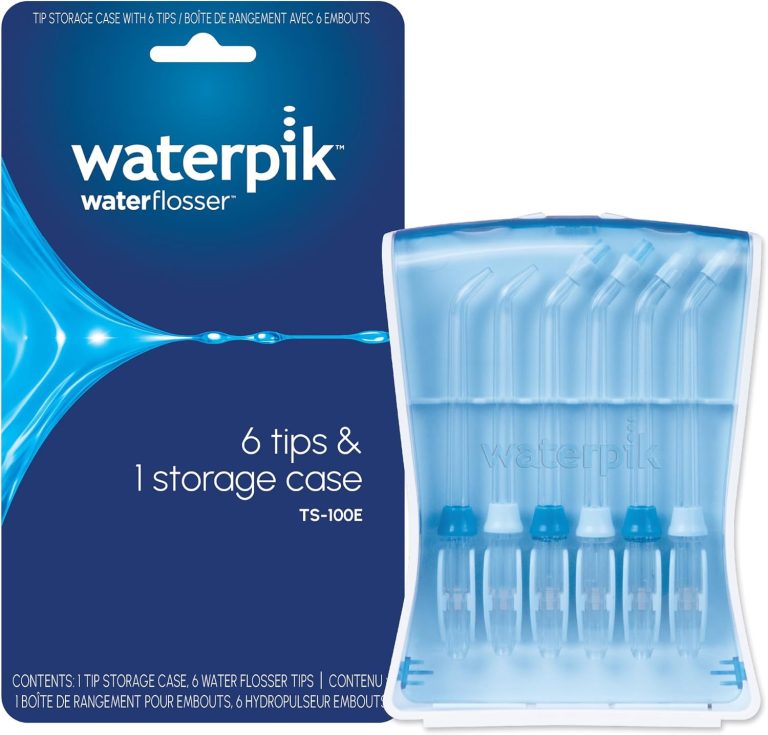
Most devices come with multiple tips — a standard tip, a plaque seeker, and an orthodontic tip. Swap them based on your needs. Braces? Use the orthodontic tip. Implants? Ask your dentist which attachment suits you best.
Common Mistakes to Avoid
Water flossers are simple, but a few slip-ups can limit your results:
- Skipping the gumline — aiming only between teeth misses prime plaque territory
- Rushing — slow, steady passes clean better than a quick spritz everywhere
- Using water only once a week — daily use is where the benefits live
- Ignoring the tank — empty and rinse the reservoir so mold doesn’t move in
Are There Any Downsides?
Let’s keep it real. Water flossers cost more upfront than a box of floss. Countertop models need outlet space, and early sessions can get splashy. They also don’t fully replace brushing — nothing does.
There’s one more point worth knowing. The American Dental Association has stated that cleaning between teeth daily matters, and it gives its seal to both floss and water flosser-style devices. So the tool is less important than the habit. Pick your weapon and stick with it.
When to Talk to Your Dentist
Bleeding that lasts more than a week or two deserves a professional look. So do loose teeth, persistent bad breath, or gum pain. A water flosser is a great helper — but it’s not a substitute for checkups.
Conclusion
A water flosser earns its spot on your bathroom counter. It cleans the tight gaps your toothbrush misses, treats sore gums gently, and turns a chore you dread into something you can finish in about a minute. We found it’s especially handy if you have braces, implants, or hands that don’t cooperate with string floss anymore. No, it won’t replace brushing or your dental checkups — but it makes the habit of cleaning between your teeth far easier to keep. That consistency is where the real payoff lives. Ready to try it? Start with a low pressure setting, be patient through the messy first week, and ask your dentist which model and tip fit your mouth best.
Frequently Asked Questions
Can I use a water flosser every day?
Yes, and you should. Daily use is where most of the gum-health benefits show up. Many dentists suggest using it once a day, either before or after brushing, whichever fits your routine. If your gums feel sore at first, use a lower pressure setting and build up gradually.
Should I use a water flosser before or after brushing?
Either order works, but many people prefer using it first. The water stream loosens food and debris between teeth, and your brush can then sweep it away. Some research also suggests flossing first helps fluoride from toothpaste reach between teeth more easily. Pick the order you’ll actually stick with.
Can I put mouthwash in my water flosser?
Usually, yes — a small splash of mouthwash in lukewarm water is a popular trick for a fresher feeling. Just check your device’s manual first, since some manufacturers warn that certain additives can clog the pump or damage the reservoir over time. Rinse the tank well after each use either way.
Do water flossers damage gums or enamel?
Not when used correctly. Start on a low pressure setting and aim the stream along the gumline, not directly into gum pockets at full force. If you notice pain or bleeding that doesn’t improve after a couple of weeks, dial back the pressure and check with your dentist to rule out an underlying issue.
Is a cordless water flosser as good as a countertop model?
For most people, yes. Cordless models are lighter, travel-friendly, and easier for kids or older adults to handle. Countertop units usually hold more water and offer stronger pressure ranges, which can matter if you have heavy dental work or deeper cleaning needs. Both clean well when you use them daily.