Brush Teeth With an Electric Toothbrush: Guide
Yes, you absolutely can brush your teeth with an electric toothbrush, and many people find it leads to a cleaner feel and improved oral hygiene. Electric toothbrushes can be more effective than manual ones because they often have oscillating or vibrating heads that do much of the work for you. This can make them a great choice for people of all ages seeking a better clean.
Switching to an electric toothbrush might seem like a big change, but it’s often a simple way to boost your daily routine. Research and dentist recommendations frequently highlight the superior plaque removal capabilities of electric models. They can also help you maintain the correct brushing pressure, protecting your gums.
- Electric toothbrushes can offer a better clean than manual ones.
- They often remove more plaque effectively.
- Many models help you brush with the right pressure.
- It’s a simple upgrade for your daily oral care.
Let’s walk through exactly how to get the most out of your electric toothbrush for a sparkling smile!
You’ve got your shiny new electric toothbrush, and you’re ready to give your pearly whites the spa treatment. That’s fantastic! But wait, how exactly do you use this thing? It’s not quite like your old manual brush. Don’t worry, we’re here to guide you through it.
Mastering Your Electric Toothbrush Technique
Using an electric toothbrush effectively is all about letting the brush do the heavy lifting. Your job is mostly guidance and gentle placement. This makes it easier to get a thorough clean.
Getting Started: The Basics
First things first, always read the instructions that come with your specific toothbrush model. They’ll have the best advice for your particular brush. But generally, the process is quite simple. You don’t need to scrub like you’re washing a car.
Applying Toothpaste
Put a pea-sized amount of your favorite toothpaste onto the brush head. Most electric toothbrush heads are smaller than manual ones. You don’t need a huge dollop. A little bit goes a long way.
Positioning the Brush
Hold the brush at a 45-degree angle to your gum line. This angle is where your teeth meet your gums. It’s a key area for plaque buildup. Make sure the bristles are gently touching both your teeth and gums.
The Brushing Motion: Let the Brush Do the Work
This is where electric toothbrushes shine. You don’t need to move it back and forth like a manual brush. Think of it more as a gentle guiding motion. The brush head does the oscillating or vibrating for you.
One Tooth at a Time
Place the brush head on one tooth. Let it rest there for a few seconds. Feel the vibrations or the oscillating motion cleaning that tooth. Then, move to the next tooth. It’s like giving each tooth individual attention.
Gentle Pressure is Key
Most electric toothbrushes have built-in pressure sensors. These will alert you if you’re pressing too hard. Over-brushing can damage your gums and enamel. So, let the brush do its job without much force. You should feel a gentle cleaning action, not a harsh scrub.
Covering All Surfaces
To ensure a complete clean, you need to systematically move the brush around your mouth. Think of it as painting each tooth. You want to cover all the bases.
Outer Surfaces
Start with the outer surfaces of your teeth. Hold the brush head on each tooth for a few seconds. Move slowly and deliberately. Cover the front of all your upper teeth, then the front of all your lower teeth.
Inner Surfaces
Next, tackle the inner surfaces. These are often harder to reach. For your front teeth, tilt the brush head vertically. Use gentle up-and-down strokes. For the back teeth, place the brush head on each tooth. Let it clean the inner surfaces thoroughly.
Chewing Surfaces
Finally, don’t forget the chewing surfaces. Place the brush head flat on each chewing surface. Hold it there for a few seconds to ensure a good clean. This helps remove food particles and plaque from those nooks and crannies.
Tips for an Even Better Clean
Want to take your electric toothbrush routine from good to great? Here are a few extra tips we found can make a big difference.
Don’t Forget to Floss!
An electric toothbrush is amazing, but it can’t reach between your teeth. Flossing is still a critical part of your oral hygiene routine. Dentists widely recommend flossing daily to remove plaque and food debris from those tight spots (CDC).
Rinse Your Brush Head
After each use, rinse your brush head thoroughly under running water. This removes any remaining toothpaste and debris. It helps keep your brush head clean and fresh for the next use. Many experts suggest replacing your brush head every 3-4 months.
Consider Your Timer
Most electric toothbrushes come with a built-in two-minute timer. This is often divided into 30-second intervals for each quadrant of your mouth. Use it! It ensures you’re brushing for the dentist-recommended amount of time. We found that sticking to the timer really helps build good habits.
Explore Different Brush Heads
Did you know there are different types of brush heads? Some are designed for sensitive gums, others for whitening, and some have special angled bristles. Your dentist can help you choose the best type for your specific needs.
Keep it Charged and Clean
Make sure your toothbrush is always charged. A low battery can reduce its effectiveness. Store it upright in a clean, dry place. Avoid covering it tightly, which can encourage bacterial growth.
Electric Toothbrush vs. Manual: What the Science Says
You might be wondering if the switch is really worth it. Research generally shows electric toothbrushes can be more effective. They often remove more plaque than manual toothbrushes. This can lead to better gum health over time.
A review of studies found that oscillating-rotating electric toothbrushes were more effective at reducing plaque and gingivitis than manual toothbrushes (NCBI). This type of brush head spins and pulsates. It effectively scrubs away debris.
Sonic toothbrushes, which vibrate at high speeds, are also very effective. They create a sweeping motion. This can help clean even beyond where the bristles physically touch. Some studies suggest they may also help remove more surface stains.
While a manual toothbrush can do a good job if used correctly, electric models often make it easier to achieve that optimal clean. They take some of the guesswork out of brushing. This is particularly helpful for those with limited dexterity or who struggle with proper technique.
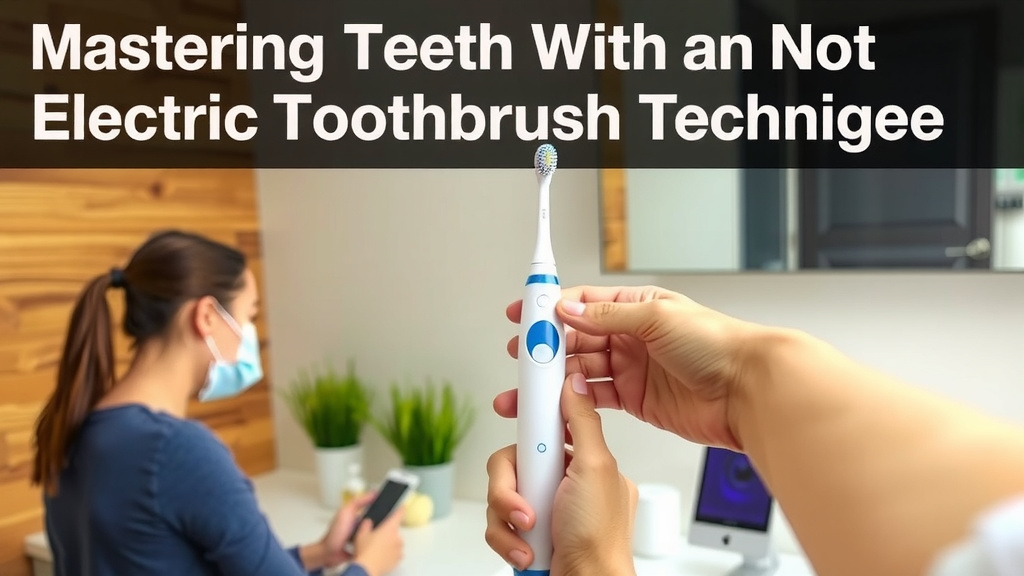
A Quick Checklist for Electric Brushing Success
Ready to put your new skills to the test? Here’s a quick rundown to ensure you’re on the right track:
- Apply a pea-sized amount of toothpaste.
- Hold the brush at a 45-degree angle to the gums.
- Let the brush head do the work; avoid scrubbing.
- Spend a few seconds on each tooth surface.
- Cover outer, inner, and chewing surfaces.
- Rinse your brush head thoroughly after use.
Conclusion
You’re now equipped to harness the power of your electric toothbrush for a superior clean! Remember, it’s all about gentle guidance, letting the brush head do the oscillating or vibrating work. By focusing on each tooth and covering all surfaces—outer, inner, and chewing—you’ll be well on your way to healthier gums and brighter teeth. Don’t forget to pair this with daily flossing for a truly complete oral care routine. Ready to experience that dentist-clean feeling every day? Start implementing these techniques on your very next brush!
Frequently Asked Questions
How long should I brush with an electric toothbrush?
Most electric toothbrushes have a built-in two-minute timer, often with 30-second intervals for each section of your mouth. We found that using this timer consistently helps ensure you brush long enough for an optimal clean. Stick to the timer to build a good habit!
Do I need to press harder with an electric toothbrush?
No, quite the opposite! You should use very little pressure. Electric toothbrushes are designed to do the cleaning work for you. Pressing too hard can actually damage your gums and enamel, and many models will alert you if you’re applying too much force.
Can an electric toothbrush replace flossing?
While electric toothbrushes excel at cleaning tooth surfaces, they cannot effectively clean between teeth. Flossing remains a critical step in removing plaque and food particles from these hard-to-reach areas. Dentists widely recommend flossing daily alongside brushing.
How often should I replace the brush head on my electric toothbrush?
Experts generally suggest replacing your electric toothbrush head every 3 to 4 months. Over time, the bristles can fray and become less effective. You might also consider replacing it sooner if you notice signs of wear or have been ill.
Are electric toothbrushes really better than manual ones?
Research indicates that electric toothbrushes, particularly oscillating-rotating models, often remove more plaque and reduce gingivitis more effectively than manual brushes. They can also make it easier for people to maintain proper technique and adequate brushing time.