Electric vs Regular Brush: The Difference
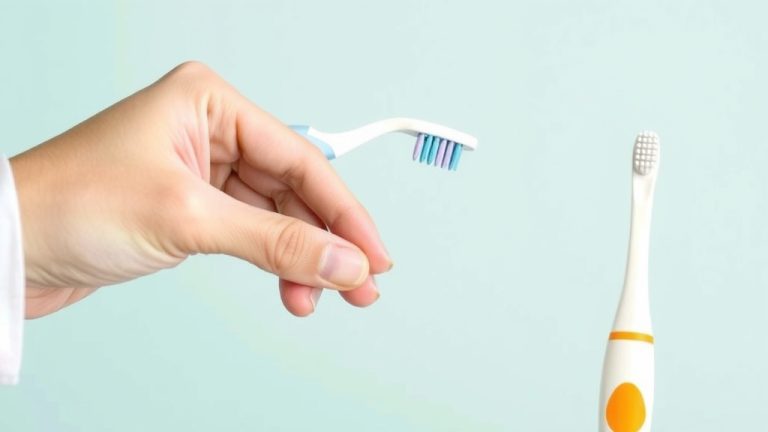
Deciding between an electric toothbrush and a regular manual brush mostly comes down to your personal preference and brushing habits. Electric brushes often provide a more consistent clean, removing more plaque, while manual brushes are simpler and more portable for on-the-go needs.
Many dental professionals agree that the best toothbrush is the one you will use correctly and consistently. While an electric toothbrush can offer advanced features for superior cleaning, a manual brush can be just as effective when used with proper technique. We’ve found that understanding the core differences helps make the choice easier.
- Electric brushes often clean better by removing more plaque.
- Manual brushes are simple, affordable, and travel-friendly.
- Both can be effective with good brushing habits.
- The best brush is the one you use most often and correctly.
Let’s break down the main differences between electric and regular toothbrushes so you can find the right fit for your smile.
Electric vs. Manual Toothbrushes: What’s the Real Difference?
You’ve seen them everywhere: the sleek electric toothbrushes with all the bells and whistles, and the classic manual brush you’ve probably used your whole life. But which one is truly better for your smile? We’ve dug into what makes each tick, and the answer might surprise you.
Many dental professionals agree that the most important factor in good oral hygiene isn’t the type of brush, but how you use it. However, each type comes with its own set of pros and cons that can make a real difference in your daily routine.
How Electric Toothbrushes Work Their Magic
Electric toothbrushes are designed to do a lot of the work for you. They use oscillating, rotating, or sonic vibrations to clean your teeth. Think of it like having a tiny dental hygienist in your hand!
The Power Behind the Clean
These brushes come with different types of motion. Rotating-Action brushes typically have a round head that spins back and forth. They often use a sweeping motion to dislodge plaque. Then there are sonic brushes. These move side-to-side at very high speeds, creating a vibrating effect. This vibration can create micro-movements that help clean hard-to-reach areas.
Benefits You Can Feel
Research suggests that electric toothbrushes can be more effective at removing plaque than manual brushes. One study found they removed about 21% more plaque and reduced gum bleeding by 11% (Cochrane Database of Systematic Reviews). This is often because the consistent motion of an electric brush can be more thorough. Many models also have built-in timers, helping you brush for the dentist-recommended two minutes.
Features to Look For
Electric toothbrushes often boast extra features. You might find pressure sensors that alert you if you’re brushing too hard. Some connect to apps on your phone to track your brushing habits. Others offer multiple brushing modes for sensitive teeth or whitening. These can be a great help for those who want a more guided experience.
The Enduring Appeal of Manual Toothbrushes
Don’t count out the humble manual toothbrush just yet! For many people, it’s still the go-to for a clean mouth. Its simplicity is part of its charm, and it can be just as effective when used correctly.
Simplicity and Affordability
The biggest draw of a manual brush is its straightforward design and low cost. You don’t need to worry about charging it or replacing expensive brush heads every few months. A manual toothbrush is ready to go anytime, anywhere. You can pick one up at almost any store for a few dollars.
Mastering the Technique
The key to getting a great clean with a manual brush is proper technique. Dentists often recommend the **Bass Method**. This involves placing your brush at a 45-degree angle to your gums and using gentle, short back-and-forth strokes. You want to clean the outer surfaces, inner surfaces, and chewing surfaces of all your teeth. Focusing on each tooth individually is important.
Travel-Friendly and Accessible
Heading out of town? A manual toothbrush is incredibly portable. It doesn’t need a charger or a travel case that takes up extra space. It’s also a great option if you have limited mobility or find electric brushes too bulky.
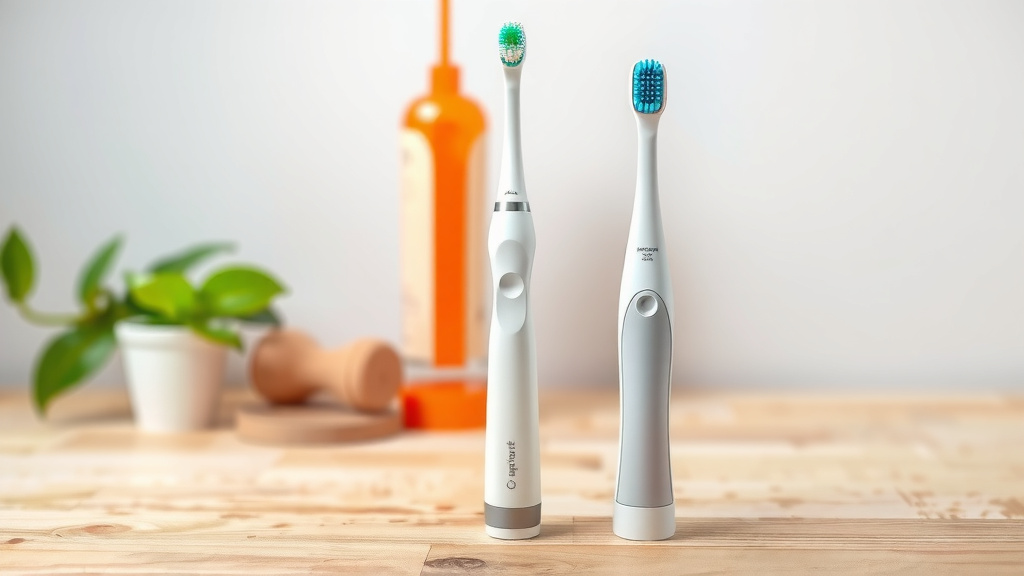
Comparing Key Features Side-by-Side
To help you see the differences more clearly, let’s break down some key aspects:
| Feature | Electric Toothbrush | Manual Toothbrush |
|---|---|---|
| Plaque Removal | Often more effective, especially with consistent use. | Effective with proper technique. |
| Ease of Use | Does most of the work for you; good for those with dexterity issues. | Requires good technique and manual effort. |
| Cost | Higher initial cost, ongoing cost for replacement heads. | Low initial cost, very affordable. |
| Features | Timers, pressure sensors, multiple modes, app connectivity. | Basic design. |
| Portability | Requires charging; larger size. | Very portable, no charging needed. |
| Gum Health | Can reduce gum bleeding and inflammation (CDC). | Effective when not brushing too hard. |
Making Your Choice: What’s Right for You?
The best toothbrush for your mouth depends on your personal needs and preferences. Think about what’s most important to you in your daily oral care routine.
Consider Your Habits and Needs
If you struggle with plaque buildup or find it hard to brush thoroughly for the full two minutes, an electric brush might be a game-changer. They can offer a more consistent clean, which is great for overall gum health. For people with arthritis or limited hand mobility, the reduced effort required by electric brushes is a huge plus.
On the other hand, if you have a solid brushing technique and enjoy the simplicity, a manual brush will serve you well. They are perfect for travelers or those on a budget. Remember, the American Dental Association (ADA) gives its seal of approval to both manual and electric toothbrushes, provided they are used correctly.
A Checklist for Your Decision
Here are a few things to consider when deciding:
- Do you want help with brushing technique?
- Is budget a major concern?
- Do you travel frequently?
- Do you have any dexterity issues?
- Are you looking for advanced features like timers?
- What feels most comfortable in your hand?
Ultimately, whether you choose electric or manual, the most effective tool is the one you’ll use diligently and correctly. Consistent, thorough brushing is the golden rule for a healthy smile.
Conclusion
Choosing between an electric and a manual toothbrush ultimately comes down to your personal comfort and brushing habits. We’ve seen that electric brushes can offer superior plaque removal and helpful features like timers, while manual brushes excel in simplicity, portability, and affordability. Both are endorsed by dental professionals when used correctly and consistently.
Your best bet is to consider what you value most in your oral hygiene routine. Think about what will help you brush effectively for the full two minutes every day. If you’re still unsure, try both for a week to see which one makes you feel cleaner and is easier to stick with.
Frequently Asked Questions
Are electric toothbrushes really worth the extra cost?
For many people, yes. Electric toothbrushes often remove more plaque, which can lead to better gum health. Features like built-in timers ensure you brush long enough, and pressure sensors prevent gum damage. If these benefits align with your needs, they can be a worthwhile investment in your oral care.
Can a manual toothbrush be just as effective as an electric one?
Absolutely. With proper technique, a manual toothbrush can be highly effective at cleaning your teeth and gums. The key is to use the correct method, like the Bass Method, and brush gently but thoroughly for the recommended two minutes. Your commitment to technique matters most.
What if I have sensitive gums or teeth?
Both types of brushes can work for sensitive mouths. Many electric toothbrushes have specific modes for sensitive teeth and gums, and some even include pressure sensors to alert you if you’re brushing too hard. For manual brushes, choose a soft-bristled head and use gentle strokes.
How often should I replace my toothbrush head or brush?
Dentists recommend replacing both manual toothbrushes and electric toothbrush heads every three to four months. You should also replace them sooner if the bristles become frayed or worn. Replacing them regularly ensures your brush remains effective and hygienic for cleaning.
Is there a best time of day to brush, regardless of brush type?
The general consensus from dental professionals is to brush at least twice a day, ideally once in the morning and once before bed. Brushing after meals can also be beneficial to remove food particles. Consistency is more important than the exact timing, as long as you’re cleaning thoroughly.