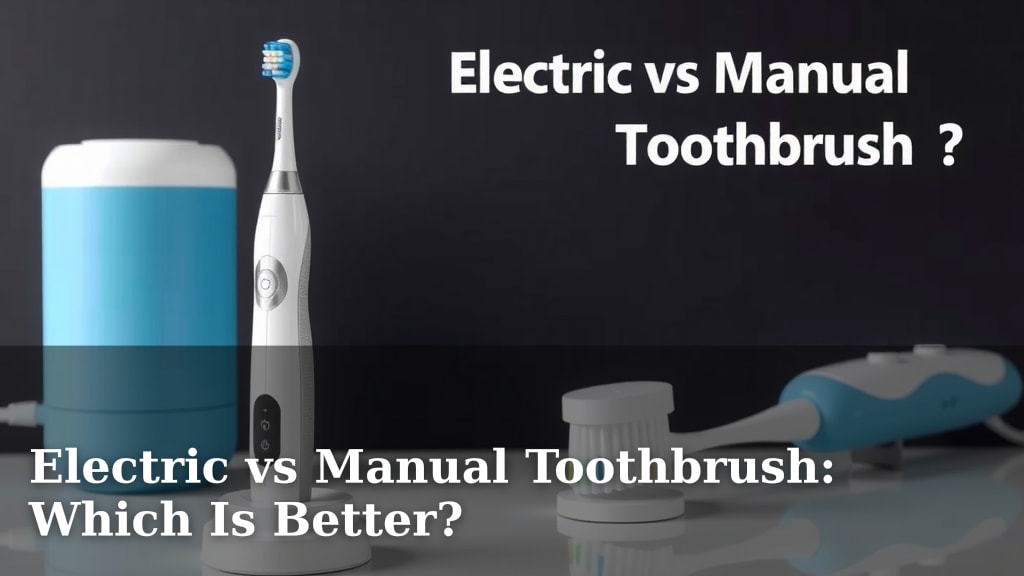
Electric vs Manual Toothbrush: Which Is Better?
When deciding between an electric toothbrush and a manual one, **electric toothbrushes generally clean teeth more effectively**. Research consistently shows they remove more plaque and reduce gingivitis better than manual brushes. Your dental health might get a boost with the right electric model.
Choosing the right toothbrush impacts your daily oral hygiene. Many people wonder about the **actual benefits of electric vs. manual options**. We’ve looked into what dentists and studies recommend for a cleaner, healthier smile. It often comes down to your personal brushing habits and preferences.
- Electric toothbrushes often remove more plaque.
- They can be easier to use correctly.
- Manual brushes are cheaper and travel-friendly.
- Both can be effective with proper technique.
- Your dentist’s recommendation is key.
Let’s dive into the differences between electric and manual toothbrushes to help you make the best choice for your smile.
Choosing Your Best Brushing Tool: Electric vs. Manual
So, you’re wondering which toothbrush to grab each morning and night, right? It’s a common question! Both electric and manual toothbrushes can get your teeth clean, but they do it in different ways. We’ve dug into the research to help you understand the pros and cons of each.
How Electric Toothbrushes Work Their Magic
Electric toothbrushes do most of the hard work for you. They have a small motor that makes the brush head move. This movement can be a quick back-and-forth scrubbing action or a gentler oscillating-rotating motion. Some newer models even have sonic vibrations. These motions are designed to break up plaque more efficiently than you might be able to on your own.
Many studies suggest that electric toothbrushes, especially the oscillating-rotating kind, are **superior at removing plaque**. A review of studies found they reduced plaque by about 21% and gingivitis by 11% compared to manual brushes (Cochrane Database of Systematic Reviews). This means a potentially healthier gum line for you.
The Plaque-Fighting Power
Think of it like this: imagine scrubbing a floor with a regular brush versus a power scrubber. The power scrubber can get into more nooks and crannies with less effort from you. Electric toothbrushes offer a similar advantage for your teeth. Their consistent, rapid movements can dislodge plaque from hard-to-reach areas.
Ease of Use and Technique
One of the biggest advantages of electric toothbrushes is how **easy they are to use correctly**. You simply guide the brush head along each tooth surface. The brush does the scrubbing. This can be a lifesaver if you have limited mobility, like arthritis, or if you struggle with the proper brushing technique required for manual brushes.
With a manual brush, you need to master specific motions. These often include a gentle circular or back-and-forth technique at a 45-degree angle to your gums. It’s easy to be too aggressive or miss spots. An electric brush simplifies this process, making it more likely you’ll achieve a thorough clean.
The Enduring Charm of Manual Toothbrushes
Now, let’s talk about the trusty manual toothbrush. These have been around forever for a reason! They are **simple, affordable, and readily available**. You don’t need batteries or a charger, making them perfect for travel or when you’re on the go.
The effectiveness of a manual toothbrush heavily relies on your brushing technique. If you have excellent oral hygiene habits and use the correct method, a manual brush can be just as effective as an electric one. However, many people don’t consistently use the ideal technique, which is where electric brushes often shine.
Cost-Effectiveness and Simplicity
Let’s be honest, the **price tag is a big win for manual brushes**. You can find a decent manual toothbrush for just a few dollars. Replacing it every 3-4 months (as dentists recommend) keeps your costs low. Electric toothbrushes, on the other hand, can range from $20 to over $100, and replacement heads add to the ongoing expense.
Portability and Independence
Traveling? Camping? Or just want to freshen up at work? Your manual toothbrush doesn’t need a power outlet or a charging dock. It’s **lightweight and compact**, fitting easily into any toiletry bag or even a pocket. You have complete control over the pressure and movement, which some people prefer.
Key Differences at a Glance
To help you compare, let’s break down the main differences:
| Feature | Electric Toothbrush | Manual Toothbrush |
|---|---|---|
| Plaque Removal | Generally more effective, especially oscillating-rotating models. | Effective with proper technique, but often less so for average users. |
| Ease of Use | High; minimal technique required. | Moderate; requires learning and consistent proper technique. |
| Cost | Higher initial cost and ongoing head replacement cost. | Low initial and replacement cost. |
| Gingivitis Reduction | Often better at reducing gum inflammation. | Can be effective, but depends heavily on technique. |
| Portability | Requires charging; bulkier. | Lightweight, no power needed; easy to pack. |
| Pressure Control | Many have built-in pressure sensors. | Entirely user-controlled, risk of brushing too hard. |
Who Benefits Most from Each Type?
So, who should lean towards which brush? It really depends on your personal situation and preferences.
Who Might Prefer an Electric Toothbrush?
- Individuals looking for the **most effective plaque removal**.
- People who struggle with manual dexterity or have conditions like arthritis.
- Those who want a simpler brushing routine with less focus on perfect technique.
- Anyone who finds brushing with a manual brush a chore and wants to make it easier.
- People who have been advised by their dentist to improve their plaque removal.
Who Might Stick with a Manual Toothbrush?
- Budget-conscious individuals.
- Frequent travelers who prefer minimal gear.
- People who are already skilled at manual brushing and achieve excellent results.
- Those who like the tactile feedback and control of a manual brush.
- Anyone who dislikes the sensation or noise of an electric toothbrush.
Your Dentist’s Opinion Matters Most
Ultimately, the best toothbrush is the one you will use consistently and correctly. Your dentist or dental hygienist knows your oral health best. They can assess your brushing habits and recommend the tool that will best suit your needs. Don’t hesitate to ask them during your next check-up!
They might even let you try out a few different electric models or demonstrate proper manual brushing techniques. Remember, whether electric or manual, **consistent brushing twice a day for two minutes** is key to a healthy smile. Adding flossing to your routine is also essential for cleaning between teeth.
Making the Final Choice: A Quick Checklist
To help you decide, consider these points:
- Are you looking for the **easiest way to remove plaque**?
- What is your **budget for toothbrushes**?
- Do you travel frequently or need a portable option?
- Do you have any **physical limitations** affecting brushing?
- How confident are you in your **manual brushing technique**?
- What does your **dentist recommend** for your specific needs?
Conclusion
Deciding between an electric and manual toothbrush boils down to your personal needs and habits. While research shows electric toothbrushes often remove more plaque and reduce gingivitis more effectively, a manual brush can still deliver excellent results with proper technique. Consider your budget, any physical limitations, and how much effort you want to put into brushing. Ultimately, the best toothbrush is the one you’ll use consistently and correctly for two minutes, twice a day. Ready to make the switch or refine your technique? Your dentist is your best resource for personalized advice to keep your smile healthy and bright.
Frequently Asked Questions
How often should I replace my toothbrush head or manual toothbrush?
Dentists generally recommend replacing your toothbrush or electric toothbrush head every 3 to 4 months. Over time, the bristles become frayed and less effective at cleaning. If you’ve been sick, it’s also a good idea to replace your brush to avoid reinfection.
Can an electric toothbrush hurt my gums if I brush too hard?
Many modern electric toothbrushes come with built-in pressure sensors that alert you if you’re brushing too hard. This feature helps protect your gums and enamel from damage. If your electric toothbrush doesn’t have this feature, you can still learn to apply gentle pressure.
Is it okay to switch between an electric and manual toothbrush?
Yes, it’s perfectly fine to use both! You might prefer your electric toothbrush for your main brushing sessions and keep a manual one for travel or quick touch-ups. The most important thing is to brush thoroughly and consistently, regardless of the tool you use.
Which type of electric toothbrush is generally considered best for plaque removal?
Studies have often found that oscillating-rotating electric toothbrushes are particularly effective at removing plaque. Their specific brush head movements are designed to be very efficient at dislodging plaque and debris from tooth surfaces.
Can children benefit from using an electric toothbrush?
Many children find electric toothbrushes more engaging and easier to use, which can help establish good brushing habits early on. Look for models designed for children, with smaller heads and fun designs. Always supervise young children to ensure they are brushing correctly and safely.