How Long Should an Electric Toothbrush Last?
You can expect your electric toothbrush to last anywhere from 3 to 5 years, though some can go even longer with proper care. The motor and battery are typically the first components to wear out. Keeping your toothbrush clean and charged correctly can help extend its lifespan.
How long your electric toothbrush truly lasts depends on several factors. Things like the model you choose and how often you use it play a big role. We also found that the quality of the battery and the overall build can make a noticeable difference.
- Most electric toothbrushes last 3-5 years.
- Battery and motor are common failure points.
- Proper care can extend lifespan.
- Usage frequency impacts longevity.
- Model and build quality matter.
So, how long should your trusty electric toothbrush stick around? Let’s break down what affects its lifespan and how you can get the most out of it.
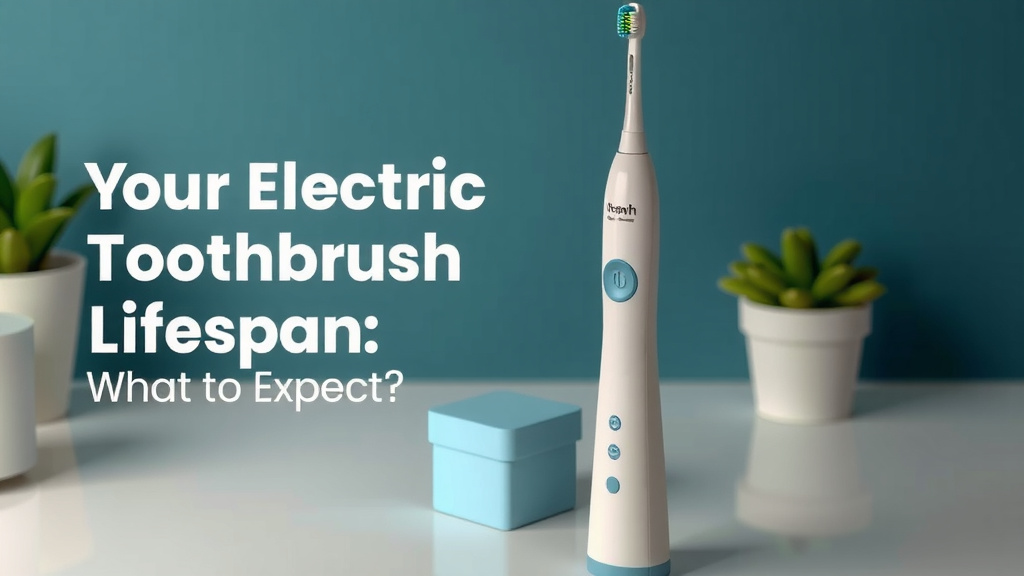
Your Electric Toothbrush Lifespan: What to Expect
You’re probably wondering how long your trusty electric toothbrush is designed to keep your smile bright. We found that most electric toothbrushes are built to last for a good 3 to 5 years. This timeframe can really vary, though. Some models might even stretch to 7 years or more with a little extra TLC.
The heart of your electric toothbrush, the motor and battery, are usually the first parts to show their age. Think of them like the engine and fuel tank in a car. Eventually, they just start to wear out. But don’t worry, there’s a lot you can do to help them along!
The Components That Make Your Toothbrush Tick
Your electric toothbrush is a clever piece of engineering. It has a few key parts that work together to give you that super clean feeling. Understanding these parts can help you appreciate why they might eventually need replacing.
The Motor: The Powerhouse
Inside your toothbrush handle is a small but mighty motor. This motor is what creates the vibrations or rotations that clean your teeth. We found that the quality of this motor can really impact how long your toothbrush lasts. A more robust motor will likely perform well for longer.
The Battery: Keeping the Juice Flowing
Like your smartphone, your electric toothbrush relies on a rechargeable battery. Over time, all rechargeable batteries lose some of their capacity. This means they won’t hold a charge as long as they used to. Many manufacturers use lithium-ion batteries, which are known for their longevity, but even these have a finite number of charge cycles.
The Brush Head: The Working End
While not part of the handle’s lifespan, the brush head is something you’ll replace much more often. You should aim to swap out your brush head every 3 to 4 months. This is a recommendation you’ll see from dental professionals like the American Dental Association (ADA). Why so often? Worn bristles can’t clean effectively and can even harbor bacteria. Plus, old bristles can be rough on your gums.
Factors Influencing Your Toothbrush’s Longevity
So, what makes one electric toothbrush last longer than another? It’s not just about luck! Several factors play a role in how many years you can get out of your device. We’ve looked into what really makes a difference.
Usage Frequency: More Brushing, More Wear
This one seems pretty straightforward, right? If you brush your teeth twice a day, every day, your toothbrush is working harder than someone who only brushes once a day. We found that more frequent use naturally leads to more wear and tear on the motor and battery.
Brand and Model Quality: Not All Are Created Equal
Just like with cars or phones, some brands and models are built with better materials and more durable components. Higher-end models often feature more powerful motors and higher-quality batteries. We found that investing a bit more upfront in a well-regarded brand can often mean a longer-lasting toothbrush.
The Importance of the Motor’s Durability
A toothbrush motor isn’t just about power; it’s about how well it’s engineered to withstand constant vibration or rotation. Some motors are designed for thousands of hours of use, while others might have a shorter operational life.
Battery Technology and Capacity
The type and capacity of the battery are also key. Lithium-ion batteries, common in many modern devices, generally offer a good balance of power and lifespan. However, how the battery is managed by the toothbrush’s internal electronics also matters.
How You Charge and Store It Matters
Treating your electric toothbrush right can really extend its life. Think of it like caring for any electronic gadget. Proper charging habits can make a big difference to the battery’s health.
Avoiding Overcharging
Many modern electric toothbrushes have smart charging systems that prevent overcharging. However, if yours doesn’t, it’s a good idea to unplug it once it’s fully charged. Constantly keeping it on the charger, especially older models, can sometimes degrade the battery over time (National Institute of Standards and Technology – NIST).
Storage Conditions
Where you store your toothbrush can also have an impact. Try to keep it in a dry place away from extreme temperatures. Excessive moisture or heat can damage the internal components, including the battery.
Signs Your Electric Toothbrush Might Be on Its Last Legs
You might not always have a clear “expiration date” on your electric toothbrush. Instead, you’ll notice some subtle (or not-so-subtle!) signs that it’s time to consider a replacement. Keep an eye out for these common indicators.
Diminishing Battery Life
This is often the first sign. Does your toothbrush seem to die much faster than it used to? You might find yourself charging it more frequently. We found that a noticeable drop in battery performance is a strong signal that the battery is aging.
Reduced Power or Vibrations
If your toothbrush doesn’t feel as powerful as it once did, or the vibrations seem weaker, the motor might be struggling. This can impact its cleaning effectiveness. Sometimes, a weaker motor just means it’s getting tired.
Unusual Noises or Smells
Any strange grinding sounds or odd smells coming from the handle are definitely red flags. These could indicate internal mechanical issues or problems with the motor or battery. It’s best to stop using it if you notice these. Your safety is always the top priority.
Cracked Handle or Loose Parts
Physical damage, like a cracked handle or a brush head attachment that feels loose, means it’s time for a new one. These issues can not only reduce effectiveness but can also be unhygienic or even dangerous.
Maximizing Your Electric Toothbrush’s Lifespan: A Quick Checklist
Want to get the most out of your electric toothbrush? Following a few simple practices can help it serve you well for years. We’ve put together a handy checklist:
- Clean it regularly: Rinse the brush head and handle after each use.
- Dry it properly: Store it upright to allow it to air dry completely.
- Charge wisely: Avoid constant overcharging if your model doesn’t have smart tech.
- Use the right charger: Always use the charger that came with your toothbrush.
- Handle with care: Avoid dropping it or exposing it to excessive moisture.
- Replace brush heads on time: This keeps the system working efficiently and hygienically.
Conclusion
You can expect your electric toothbrush to serve you well for 3 to 5 years with proper care. Remember that the motor and battery are the main components that eventually wear out. By cleaning your toothbrush regularly, storing it correctly, and charging it wisely, you can help extend its operational life. Don’t forget to replace your brush heads every 3-4 months for optimal cleaning and hygiene. When you notice diminished battery life or weaker performance, it’s likely time to consider a new device for a consistently brilliant smile.
Frequently Asked Questions
How often should I replace my electric toothbrush handle?
Generally, your electric toothbrush handle should last between 3 to 5 years. This timeframe can vary based on the model’s quality, how often you use it, and how well you maintain it. Keep an eye out for signs of wear like a weakening battery or motor.
Does using my electric toothbrush more affect how long it lasts?
Yes, more frequent use means more wear and tear on the internal components like the motor and battery. If you brush more than the standard twice a day, you might find your toothbrush reaches the end of its lifespan a bit sooner.
Is it okay to leave my electric toothbrush on the charger all the time?
For most modern electric toothbrushes with smart charging, it’s fine. However, older models might experience battery degradation if left charging constantly. It’s best to consult your toothbrush’s manual or unplug it once fully charged if you’re unsure.
What’s the biggest indicator that my electric toothbrush is dying?
The most common sign is a noticeably shorter battery life. If you find yourself charging it much more often than you used to, or if the power seems weaker during brushing, these are strong indicators that the battery or motor is aging.
Can cleaning my electric toothbrush really make it last longer?
Absolutely! Regularly rinsing the brush head and handle after each use helps prevent toothpaste buildup and grime. Drying it properly also protects the internal components from moisture damage, both of which contribute to a longer-lasting device.