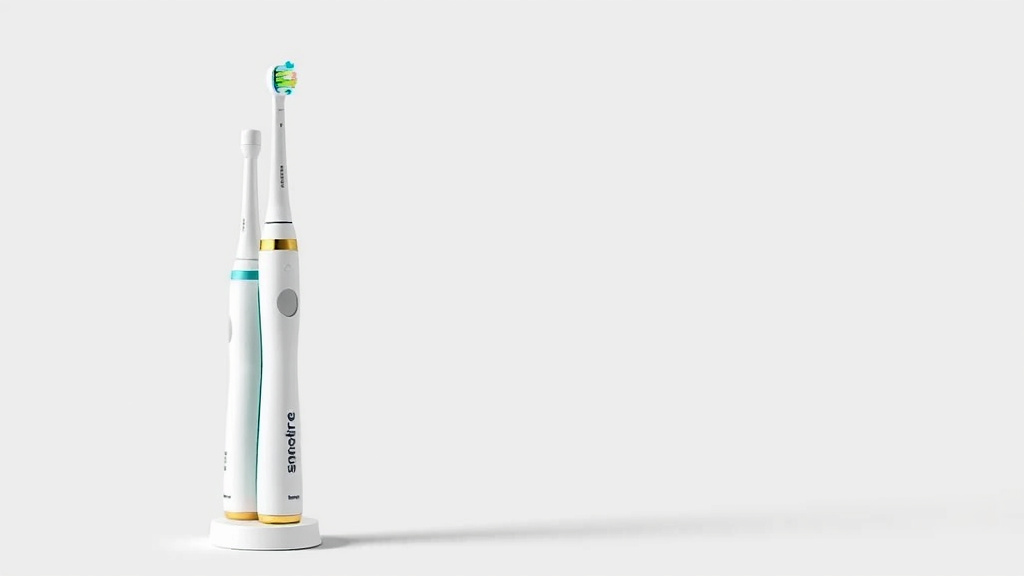
Master Your Sonicare Electric Toothbrush: A Quick Guide
Using your Sonicare electric toothbrush correctly is simple and key to a healthier smile. The main steps involve wetting the brush head, applying a small amount of toothpaste, and gently guiding the brush head across each tooth surface for two minutes. Remember to let the toothbrush do the work; you just need to position it correctly.
Many people wonder if they’re getting the most out of their Sonicare. We found that focusing on proper technique, like angling the bristles towards the gum line and using gentle pressure, can make a big difference. It’s all about ensuring a thorough clean without damaging your gums.
- Brush for two minutes.
- Let the toothbrush do the scrubbing.
- Angle the bristles toward your gums.
- Replace your brush head every 3 months.
Ready to get that dentist-clean feeling every day? Let’s walk through exactly how to use your Sonicare electric toothbrush step by step to get the best results.
Getting Started with Your Sonicare Electric Toothbrush
So, you’ve got a shiny new Sonicare and you’re ready to upgrade your oral hygiene game. That’s fantastic! Using it correctly ensures you get the most out of its advanced cleaning power. The basic idea is to let the brush do the work, moving it gently from tooth to tooth. Think of it less like scrubbing a floor and more like massaging your teeth.
Pre-Brush Prep: What to Do Before You Power Up
Before you even think about turning it on, there are a couple of quick things to do. First, wet your toothbrush head under the tap. This helps the toothpaste foam up nicely. Then, apply a **pea-sized amount of your favorite toothpaste** directly onto the bristles. You don’t need a lot; electric toothbrushes use toothpaste more efficiently than manual ones.
Why so little toothpaste? We found that using too much can create excessive foam, which can make it hard to see what you’re doing and might even lead you to rush the process. A small amount is perfect for a thorough, comfortable clean.
The Brushing Technique: Gentle is Key
Now for the main event! Turn on your Sonicare and place the bristles gently against your teeth. The trick here is to **angle the brush head slightly towards your gum line**, about a 45-degree angle. This allows the bristles to get into those crucial areas where plaque loves to hide, right where your teeth meet your gums.
Many people instinctively scrub with electric toothbrushes, much like they would with a manual one. However, Sonicare’s powerful vibrations do the cleaning for you. Your job is simply to guide the brush head from one tooth surface to the next. Applying too much pressure can actually be counterproductive and potentially irritate your gums. Your Sonicare likely has a pressure sensor, which will alert you if you’re pressing too hard.
Dividing Your Mouth for Maximum Coverage
To ensure you don’t miss any spots, think about dividing your mouth into quadrants: upper right, upper left, lower right, and lower left. Spend about 30 seconds on each quadrant. Most Sonicare models have a built-in timer that will pause briefly every 30 seconds to signal it’s time to move to the next section. This makes hitting the dentist-recommended **two-minute brushing time** effortless.
This timed approach is a game-changer for consistency. We’ve found that people who use the timer tend to achieve a more even clean across their entire mouth, reducing the chance of missed spots.
Mastering Each Tooth Surface
Within each quadrant, take your time to cover all the surfaces of each tooth: the outer surfaces, the inner surfaces, and the chewing surfaces. When moving from one tooth to another, gently let the brush head rest on each surface for a few seconds before gliding to the next.
Outer Surfaces
Start with the outside of your upper teeth, then move to the insides. Repeat for your lower teeth. Gently position the brush head on the front of each tooth, ensuring the bristles reach the gum line. You’ll feel the brush head vibrating, but you shouldn’t need to push.
Inner Surfaces
For the inner surfaces of your front teeth (both upper and lower), you might need to tilt the brush head vertically. This allows the bristles to get into those tighter spots easily. Again, let the Sonicare do the oscillating and vibrating.
Chewing Surfaces
Finally, place the brush head flat on the chewing surfaces of your molars. Spend a moment on each to ensure any food debris is dislodged. This completes the coverage for each tooth.
Rinsing and Post-Brush Care
Once the two minutes are up and your Sonicare signals the end of your brushing session, you’re almost done. Spit out the excess toothpaste. You can rinse your mouth with water, but some dental professionals suggest skipping the rinse immediately after brushing. Leaving a small amount of toothpaste residue can allow the fluoride to continue working its magic on your teeth for a little longer.
Next, rinse your brush head thoroughly under running water to remove any toothpaste and debris. Shake off any excess water. It’s important to store your toothbrush upright, allowing it to air dry. Avoid storing it in enclosed containers, as this can create a damp environment where bacteria might thrive. Good storage habits help keep your brush head hygienic.
Brush Head Maintenance: When to Replace
This is a big one that many people overlook! The effectiveness of your Sonicare brush head diminishes over time. For optimal cleaning and hygiene, it’s generally recommended to replace your brush head every **three months**. You might notice visible wear and tear on the bristles sooner, which is also a sign it’s time for a change.
Worn-out bristles don’t clean as effectively, and they can also be harsher on your gums. Some Sonicare brush heads even have indicator bristles that fade to signal when it’s time for a replacement. Keeping this simple maintenance task in mind ensures your Sonicare continues to deliver that fresh-from-the-dentist clean.
Troubleshooting Common Sonicare Questions
Have you ever wondered if you’re doing it right? It’s a common concern! Let’s address a couple of frequent questions.
What if my Sonicare feels too powerful?
That intense vibration is normal! It’s what generates the sonic waves that clean your teeth so effectively. Remember, the goal isn’t to feel like you’re scrubbing. Gentle pressure and proper angling are key. If you’re still finding it too intense, try using a “sensitive” mode if your model has one, or simply focus on maintaining that light touch. Many experts suggest that the sonic action, not the user’s scrubbing force, is responsible for plaque removal (American Dental Association).
My gums bleed sometimes when I brush. What should I do?
A little bit of bleeding when you first start using an electric toothbrush, or when switching to a new one, can happen, especially if your gums are sensitive or inflamed. This is often a sign that you were either not brushing thoroughly enough before, or you might be applying too much pressure. Continue to use your Sonicare with gentle pressure, angling towards the gum line. The improved cleaning action should help reduce gum inflammation over time. However, if bleeding persists after a week or two, it’s always best to consult your dentist.
Your Sonicare Checklist for Success
Keep this handy to ensure you’re on the right track:
- Wet your brush head and use a pea-sized amount of toothpaste.
- Angle bristles at 45 degrees towards the gum line.
- Let the brush do the work; use minimal pressure.
- Spend 30 seconds per quadrant, covering all tooth surfaces.
- Rinse your brush head thoroughly after each use.
- Replace your brush head every 3 months.
Conclusion
You’ve now learned the essential steps to effectively use your Sonicare electric toothbrush for a superior clean. Remember, the key is gentle guidance, not vigorous scrubbing. Letting the sonic technology do the work, angling the bristles towards your gum line, and dedicating two minutes to cover all tooth surfaces will make a noticeable difference in your oral health. By following these simple techniques and maintaining your brush head, you’re well on your way to achieving that consistent, dentist-clean feeling at home. Make these habits part of your daily routine and enjoy a healthier, brighter smile!
Frequently Asked Questions
How do I know if I’m using the right amount of pressure?
Your Sonicare toothbrush likely has a pressure sensor. If you apply too much force, it will typically alert you with a change in vibration or a light indicator. Focus on a light touch; the vibrations do the cleaning.
Can I use my Sonicare on braces or dental work?
Yes, your Sonicare is safe and effective for cleaning around braces, crowns, and other dental work. Just be sure to angle the brush head carefully to get into all the nooks and crannies.
Is it okay to skip rinsing my mouth after brushing?
Some dental professionals suggest skipping an immediate rinse to allow fluoride from the toothpaste to remain on your teeth longer. A light swish with water is fine, but consider what works best for you and your dentist’s advice.
What’s the difference between Sonicare modes?
Many Sonicare models offer different modes like Clean, White, Gum Care, or Sensitive. These modes adjust the intensity or pattern of the vibrations to suit specific needs. For general cleaning, the ‘Clean’ mode is usually sufficient.
How often should I charge my Sonicare toothbrush?
Most Sonicare toothbrushes can last for about two weeks on a single charge. It’s often convenient to place it on the charger after each use or once a week to ensure it’s always ready.